
Livraison le jour même ou le lendemain

Qualité garantie

Débloquez vos offres de bienvenue: Livraison GRATUITE | Jusqu'à -80 % | 30 jours d'essai gratuits à JoyPlus
Téléchargez l'application
The idea of a self-cleaning floor is appealing. Yet, the robot vacuum mop market is a minefield where marketing promises rarely hold up. Between overrated features and hidden design flaws, it's easy to end up with a device that requires more attention than it saves. Before you invest, it's crucial to know how to spot the traps to make a choice that will genuinely simplify your life.
Here are the 3 most common pitfalls that can turn your purchase into a regret:
robot floor mop must integrate an active mechanism, like rotating mops or applied downward pressure.For truly autonomous and effective cleaning, ignore the advertising claims and focus on the technical specifications that really matter.
To avoid making a mistake, focus your attention on three fundamental parameters. They determine 90% of the effectiveness and convenience of your future robot vacuum and mop combo.
This is the brain of the device. A good navigation system is the difference between a gadget and a true home assistant.
robot vacuum with **LiDAR** mapping allows you to set no-go zones, target specific rooms, and plan multi-floor cleanings, which is a major asset for houses.A good hybrid model must excel in both areas, not just offer one as a gimmicky add-on.
robot vacuum for pet hair.The station is no longer just a charger. It defines the real degree of autonomy of your device.
smart robot vacuum offering near-total peace of mind.Rather than an endless list, here are options that meet specific needs, based on the performance and reliability criteria we've just discussed.
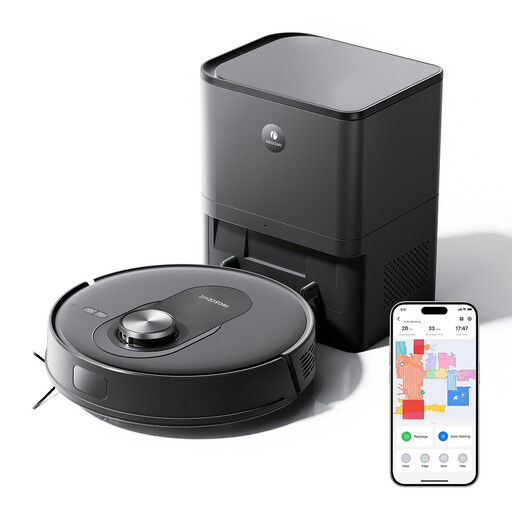
Why this model stands out: With its 5000 Pa suction power and an auto-empty station that offers up to 60 days of peace of mind, it's built for the demands of large homes and pet hair without daily intervention.
It sidesteps the trap of imprecise navigation thanks to its 360° LiDAR system, which maps quickly and reliably. The self-emptying station makes it truly autonomous, a far cry from robots that need to be emptied after every run.
High autonomy (200 min) and auto-empty station. High suction power (5000 Pa) ideal for pet hair.
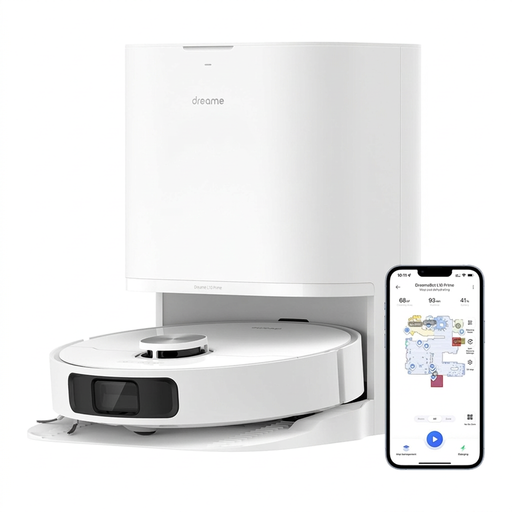
Why this model stands out: This robot focuses on a particularly thorough mopping function. Its self-cleaning mop system and ability to lift them on carpets make it an advanced technological solution for those who demand flawless hard floors.
It directly addresses the "gimmick mop" pitfall. Its system washes and dries its own pads, ensuring a hygienic clean on every pass instead of just spreading dirt. LDS (Laser) navigation ensures precise coverage.
Washing system with self-cleaning mops. Automatic 7 mm lift on carpets for uninterrupted cleaning.
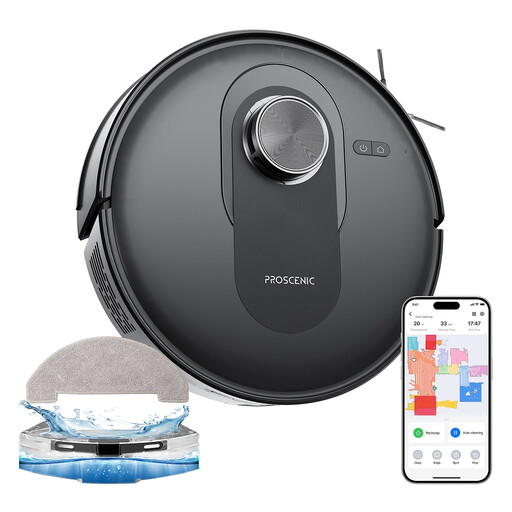
Why this model stands out: It offers the essentials of high-end technology (LiDAR navigation, strong suction) at a more accessible price by skipping the auto-empty station. It's an excellent starting point for those who want performance without the cost of full automation.
It doesn't fall into the overrated power trap: its 6000 Pa is real brute force, coupled with precise LiDAR navigation. It delivers top-tier cleaning performance, leaving the user the choice to invest in a station later.
Very high suction power (6000 Pa). LiDAR navigation with precise, customisable multi-floor mapping via the app.
We have selected a full range of products that meet our criteria for performance and reliability.
The lifespan of a robot vacuum depends on its build quality and maintenance. Generally, the battery is the first component to show signs of wear, often after 2 to 4 years of regular use. Wearable parts like brushes and filters should be replaced regularly (every 3 to 6 months) to maintain optimal performance. Regular cleaning of sensors and wheels will also extend its longevity.
For daily maintenance, absolutely. A good robot vacuum maintains a consistent level of cleanliness with minimal effort, especially on hard floors and low-pile carpets. However, for occasional deep cleaning, a classic canister or upright vacuum will remain more effective for corners, baseboards, stairs, and very thick carpets. The robot is a fantastic assistant for everyday upkeep, but it doesn't completely replace a traditional vacuum for major cleaning tasks.
No, the process is very streamlined today. You generally just need to: