
Livraison le jour même ou le lendemain

Qualité garantie

Débloquez vos offres de bienvenue: Livraison GRATUITE | Jusqu'à -80 % | 30 jours d'essai gratuits à JoyPlus
Téléchargez l'application
Impeccable floors, without lifting a finger. It's a tempting promise. But in the crowded market of robot vacuum and mop combos, slick marketing claims often lead to disappointing purchases. Here at the editorial desk, our mission is to decode the spec sheets and rigorously test these devices to help you make a choice that truly fits your daily life. Follow our guide to avoid the most common pitfalls.
The industry is filled with technical terms and features that seem revolutionary. However, behind the jargon, some flaws only become apparent with use.
To make the right decision, focus on the features that directly impact day-to-day effectiveness and peace of mind.
True autonomy relies on a station that can manage the entire cleaning cycle from start to finish. A robot vacuum and mop with a station worthy of the name must include:
This combination ensures weeks of peace of mind, with human intervention kept to an absolute minimum.
For homes with multiple rooms, furniture, or carpets, LiDAR (Light Detection and Ranging) navigation is the gold standard. This system uses a laser to scan the environment in 360° and create an ultra-precise map of your home. The benefits are tangible:
If you have pets or carpets, two elements require close attention:
Because every home is unique, here is our selection of models that excel on the performance and autonomy criteria we've just covered, designed for different user profiles.
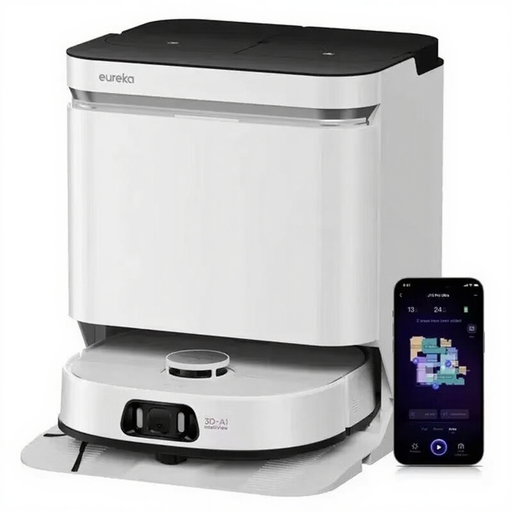
Why it's a match for this profile: For those who want "zero effort" with impeccable cleanliness. Perfect for large spaces and demanding cleaning jobs, it packs in the best technology for near-zero maintenance.
Its station doesn't just empty the dust: it washes the mops with hot water (75°C) and dries them. This bypasses the "fake autonomy" station trap.
ScrubExtend technology for precise edge and corner cleaning. AI-powered dirt detection to optimise cleaning paths.
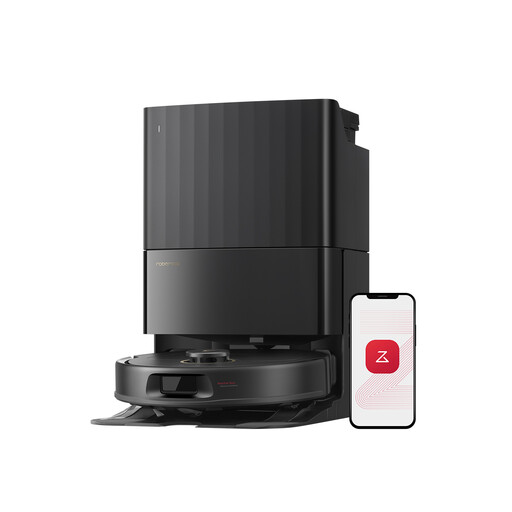
Why it's a match for this profile: Designed for homes with pets and varied floor types (tile, hardwood, carpet). It combines powerful suction with specific features to tackle pet hair and ensure perfect hygiene.
It directly tackles the nightmare of tangled brushes with its Double Anti-Tangle system, which drastically reduces maintenance related to long hair and fur.
All-in-one station with hot air drying. FlexiArm rotating mops for impeccable cleaning along baseboards and in corners.
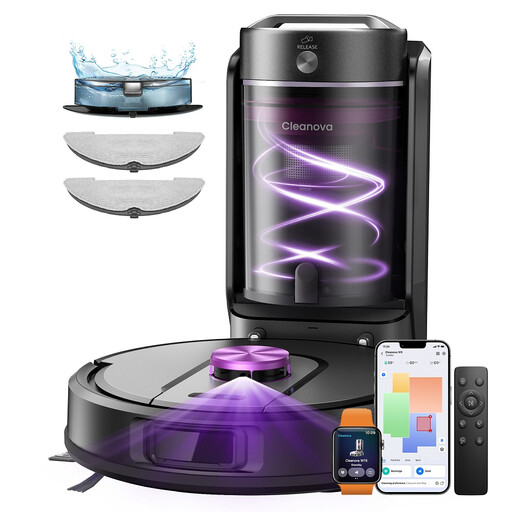
Why it's a match for this profile: Ideal for a smart first purchase. It includes modern features (LiDAR navigation, self-empty station) while remaining cost-effective to run thanks to its bagless system.
It incorporates precise LiDAR navigation, avoiding the pitfall of robots that get lost. Its bagless self-empty station eliminates the recurring costs and environmental impact of disposable bags.
3-in-1 function (sweeping, vacuuming, mopping). Long 180-minute runtime and 5-map memory, perfect for multi-story homes.
Our full selection of models tested and approved by our editors meets these demanding criteria.
The lifespan of a robot vacuum depends on its build quality and, most importantly, its maintenance. Generally, the battery is the first component to wear out, often after 2 to 4 years of regular use. Most major brands offer replacement batteries. Rigorous maintenance of the brushes, filters, and sensors is essential to extend the device's life.
A robot floor cleaner is a fantastic ally for daily maintenance. It maintains an excellent level of cleanliness by eliminating dust, crumbs, and pet hair day after day. For occasional deep cleaning (corners, baseboards, ceiling cobwebs, or the car interior), a canister or stick vacuum remains a necessary supplement.
For a small studio or a simply laid-out apartment, a robot with gyroscopic navigation might suffice. However, for larger areas, complex layouts, or multi-story homes, LiDAR navigation is highly recommended. It ensures faster, more methodical cleaning and unlocks features (like app-based no-go zones) that make a huge difference in daily use.