To keep a furnished home clean regularly, first choose a robot that can get through the spaces you need it to: measure thresholds and the clearance beneath furniture, then check the limits of the specific model. A vacuum-only robot is suitable if you don’t need mopping; a vacuum-and-mop robot adds a damp clean on hard floors, but you’ll need to pay particular attention to rugs and maintaining its dock. Keep a handheld vacuum for stairs and areas the robot can’t reach.
Who is this option for?
Homes with thresholds, rugs and cluttered walkways
The first thing to check is whether the robot can reach the rooms you want to clean and move around your furniture. Measure thresholds, rugs it will need to cross and the clearance beneath furniture: these limits vary by model.
Anyone looking to cut down on everyday maintenance
If the robot needs to run while you get on with other things, compare the tasks its dock actually takes care of with those you’ll still need to do, as well as the space and consumables it requires.
Homes with a mix of hard floors and rugs
If you also want to mop hard floors, check how the robot handles rugs along its route. Depending on the model, you may need to set a no-go zone or choose a system that lifts or removes the mop pads.
What should you look for?
First decide whether you need vacuuming only or want a damp clean as well. Then check that the robot you choose can move around your home and that you’re happy with the maintenance it needs.
Vacuum-only robot
Choose this if: you mainly want to automate vacuuming and don’t need regular mopping.
Bear in mind: the bin, brushes and sensors will still need maintenance.
Vacuum-and-mop robot
Choose this if: you’d like to add regular damp cleaning for hard floors.
Bear in mind: you’ll need to check how it handles rugs and maintain the mopping components, even with a dock.
Handheld vacuum as a backup
Keep one if: you need to clean stairs or areas the robot can’t reach.
Bear in mind: you’ll still need to clean these areas yourself from time to time.
| Factor |
What to check |
Who this matters to |
| Getting around your home |
Measure thresholds and clearance beneath furniture; compare them with the limits of the exact model. |
If a threshold stops the robot from entering a room, the convenience of an autonomous routine is lost. Around 36% of consumers would prioritise getting around their home. |
| Rugs and hard floors |
Note any rugs along the robot’s route; check the rug settings and what happens to the mop pads while it cleans. |
I want to vacuum my rugs without getting them wet while the hard floors are being mopped. This compatibility would be the main priority for around 29% of consumers. |
| Robot maintenance |
Compare the tasks handled automatically by the dock with those you’ll still need to do, and check where it can go near a plug socket. |
If I often run the robot while I’m busy, having to empty its bin after every clean would make this routine less worthwhile. Reducing the need for intervention would be the top priority for around 21% of consumers. |
| Areas outside its route |
Identify stairs, corners and inaccessible walkways; decide which ones you’ll clean manually. |
Stairs and awkward corners will still need cleaning even if the robot covers the main rooms. Keeping a manual option would be a priority for around 14% of consumers. |
Mistakes to avoid
-
Relying on the advertised suction power alone
A suction figure won’t tell you whether the robot can get over a threshold or under a sofa. What it can get around depends on the model and the route it needs to take.
Measure transitions and low-clearance spaces, then compare them with the dimensions and crossing limits of the model you’re considering. Don’t aim to match its advertised limit exactly.
-
Assuming every rug is handled during mopping
A rug at the entrance to a room can affect the robot’s route. Depending on the robot and its settings, you may also need to set a no-go zone or use a system that lifts the mop pads.
Make a note of rugs that stay in place and check the manual for map settings and how the mopping components work.
-
Assuming an automatic dock means no maintenance
A dock can take care of certain tasks, but brushes, sensors, bins and tanks may still need checking, depending on the model.
Check what you’ll still need to do by hand, and choose an accessible spot near a plug socket for the dock.
Depending on the model, you’ll also need compatible consumables, such as dust bags, filters, brushes or mop pads.
-
Expecting the robot to clean every area
Stairs, some corners and spaces with too little clearance are beyond the robot’s reach. UFC-Que Choisir also assesses cleaning along edges and in corners separately.
If these areas matter in your home, keep a handheld vacuum to clean them from time to time.
Brands to consider
The features mentioned below apply to specific models: a capability advertised for one model shouldn’t be assumed to apply to the whole range.
Roborock
The range includes vacuum-and-mop robots with different dock options and ways of handling rugs.
- Roborock says the Qrevo 2 Pro automatically removes its mop pads.
- Roborock advertises the Saros 20 as being able to climb two-step thresholds up to 8,8 cm high. This figure and condition can’t be applied to another model.
iRobot
The Roomba range includes vacuum-only robots and Combo models designed for mopping too.
- According to iRobot France support, Roomba robots can cross thresholds up to 1,6 cm high while cleaning.
- iRobot France support says that clutter can get in the way of the robot’s route; the Roomba Combo j5 needs its tank filled for mopping.
Rowenta
The X-PLORER range includes robots with mapping and, depending on the model, a collection dock.
- Rowenta lists the X-PLORER Series 65+ as 7,8 cm tall and says it has an automatic emptying dock.
- Rowenta says this model can cross obstacles up to 18 mm high. Compare this limit and the robot’s height with the routes around your home.
Ecovacs
The DEEBOT range includes vacuum-and-mop robots whose dock and rug-handling features vary by model.
- Map and rug settings are covered in Ecovacs France support information.
- Ecovacs France says that a rug at the entrance to a room may require a change to the settings for the robot to clean that area.
Vacuum-and-mop robots for a furnished home
These models combine vacuuming and mopping with a dock. To choose between them, compare their advertised features with your thresholds, the clearance beneath your furniture, your rugs and the maintenance you’re happy to take on.
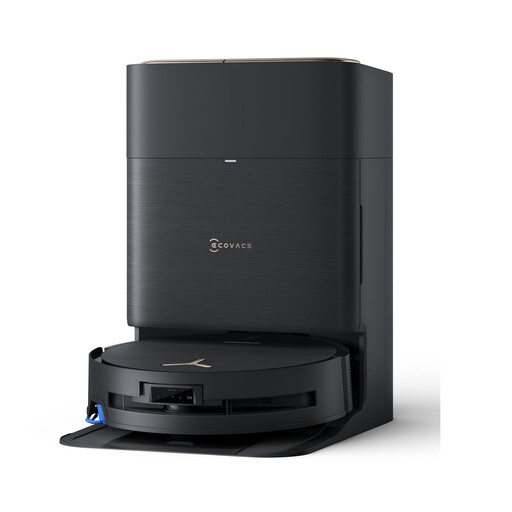 Image unavailable
ECOVACS DEEBOT X9 PRO Omni
Worth considering if you want to combine vacuuming and mopping as part of your hard-floor cleaning routine. The model name indicates an Omni station, an OZMO roller and advertised suction power of 16 600 Pa. Before choosing it for a home with rugs and thresholds, check the manual for how the mopping components work and the robot’s threshold-crossing height.
View on Joybuy
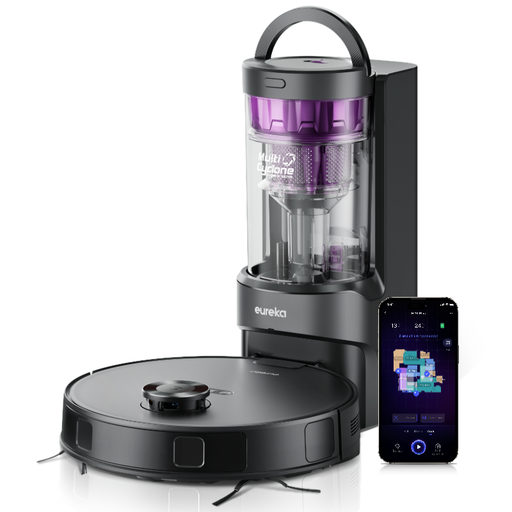 Image unavailable
Eureka E20 Plus, black
Worth a look if obstacles and rugs make the robot’s route more challenging. The product listing mentions 3D obstacle avoidance, advertised suction power of 8 000 Pa and advertised battery life of 180 minutes. Check the robot’s height and threshold-crossing ability, as well as how the dock collects dust: the product information differs on whether a bag is used.
View on Joybuy
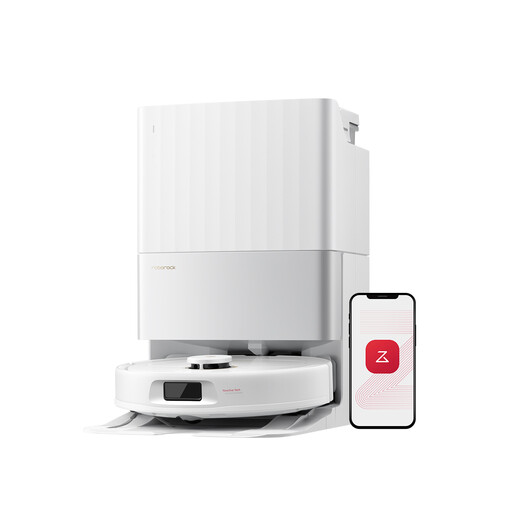 Image unavailable
roborock Qrevo S5V, white
Worth considering for a vacuuming and mopping routine where the robot needs to navigate around furniture. The product name indicates a dock, obstacle-avoidance navigation and advertised suction power of 12 000 Pa. Check the settings for mopping around rugs, as well as the robot’s dimensions and threshold-crossing limits for your home.
View on Joybuy
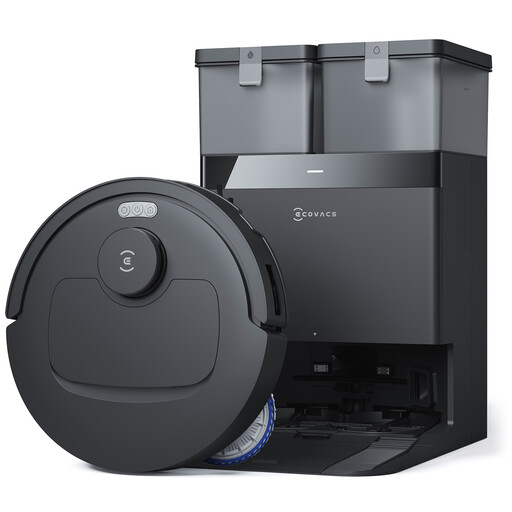 Image unavailable
ECOVACS DEEBOT T30C OMNI Gen2, black
Worth a look if you want to mop hard floors regularly and have space for a dock. The model name indicates OZMO Turbo 2.0 mopping, an Omni station and advertised suction power of 25 000 Pa. If there are rugs along the robot’s route, check how it handles the mop pads, as well as the robot’s height and threshold-crossing limits.
View on Joybuy
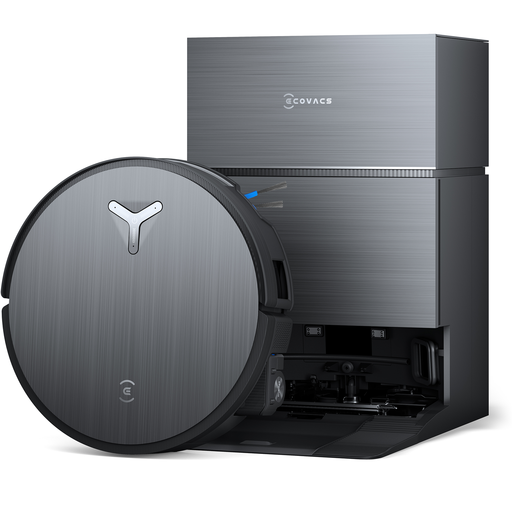 Image unavailable
ECOVACS DEEBOT X11 Pro Omni
Worth a look if changes in floor level are an important factor when choosing a vacuum-and-mop robot. The product name indicates an OZMO Roller 2.0 and an Omni station. When considering its advertised climbing ability, note the difference between 2,2 cm in a single climb and 4 cm cumulatively after several attempts: 4 cm doesn’t mean it can cross a threshold in one go. Also check the robot’s height and how it handles rugs while mopping.
View on Joybuy
Frequently asked questions
How can I tell whether a robot will cross the thresholds in my home?
Measure each threshold and compare its height with the limit advertised for the specific model. As a guide for the products mentioned, iRobot France support lists up to 1,6 cm for Roomba models, while Rowenta advertises up to 18 mm for the X-PLORER Series 65+. Check the conditions for crossing thresholds too, and leave some leeway.
Can a mopping robot clean rugs without getting them wet?
Yes, if its system and settings can avoid the rug or lift or remove the mopping components in your set-up. Check the model’s manual, particularly for rugs by a room entrance; Ecovacs France says these may require a change to the map settings.
Does an automatic dock mean the robot needs no maintenance?
No. The tasks it takes care of depend on the model. Check what these are, then allow for checking the brushes and sensors and, for a mopping robot, maintaining the tanks and mop pads.


