
Livraison le jour même ou le lendemain

Qualité garantie

Débloquez vos offres de bienvenue: Livraison GRATUITE | Jusqu'à -80 % | 30 jours d'essai gratuits à JoyPlus
Téléchargez l'application
Who doesn't dream of spending less time on chores? The robot vacuum and mop promises to handle it all autonomously. The problem: the market is a real jungle, where inflated spec sheets and marketing promises often hide disappointing devices. To avoid buyer's remorse, it's essential to know the pitfalls to avoid.
Here are the 3 most common mistakes to steer clear of:
To make an informed choice, focus on the technical specifications that truly make a daily difference.
This is the robot's brain. Its navigation technology determines its efficiency and speed.
For a truly clean floor, the mopping function must be more than just a gimmick.
The goal of a robot is to free you from chores. Maintenance that is too frequent can quickly become a chore in itself.
To help you see how these criteria apply, here are a few options suited for different needs and budgets.
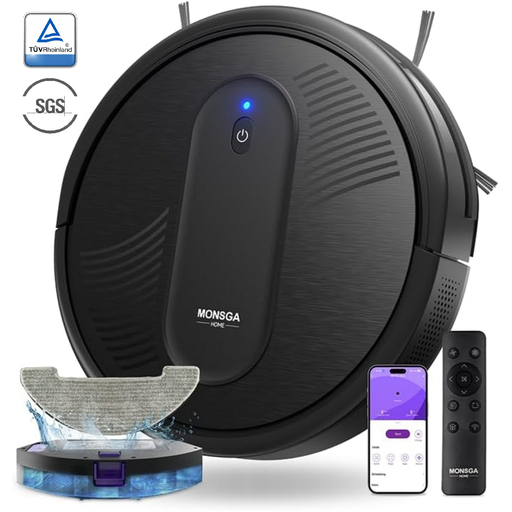
Why we recommend it: Perfect for a first-time purchase or for apartments. It combines vacuuming and mopping at an accessible price, while offering 4,000 Pa of power sufficient for hard floors and daily dust. Its ultra-slim profile allows it to slip under most furniture.
It sidesteps the basic navigation trap by offering several modes (Auto, Spot, Edge) for a more controlled path than 100% random models.
Its versatility: it can be controlled by remote, app, or voice, making it accessible to everyone. Relatively silent operation (under 55 dB according to the manufacturer).
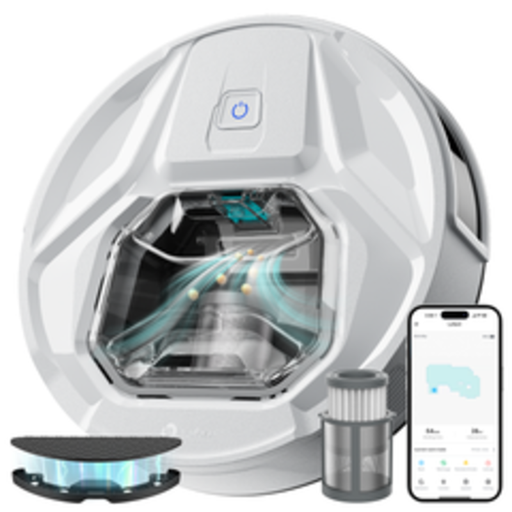
Why we recommend it: With 6,000 Pa of suction power and up to 210 minutes of runtime, this model is built for large spaces and homes with pets. It effectively vacuums up pet hair on both hard floors and carpets.
It avoids the "power on paper" trap by delivering genuinely effective suction on the toughest debris, like pet hair and human hair.
Long battery life (up to 210 min) to cover large areas without recharging. Control via a smart app for scheduling and mode selection.
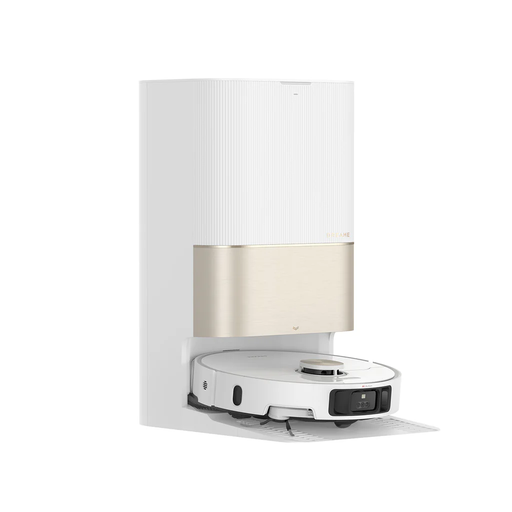
Why we recommend it: For those who want the most autonomous and high-performance cleaning solution on the market, without compromise. It integrates the most advanced technologies: extendable robotic arms for edges, 12,000 Pa suction, and a station that manages everything from emptying to self-cleaning the mops with hot water.
It shatters the "gimmick mop" pitfall with its bionic arms and 70 °C mop washing, ensuring perfect hygiene that's a far cry from a simple damp cloth.
Fully autonomous base station (emptying, washing, and drying mops). Edge-cleaning technology with extendable arms for complete coverage.
Discover our full selection of devices that meet our strict standards for quality and European safety regulations.
The lifespan of a robot vacuum depends on its build quality and maintenance. Generally, the battery is the first component to show signs of wear, often after 2 to 4 years of regular use. Consumable parts like brushes and filters should be replaced periodically (every 6 to 12 months) to maintain cleaning performance. Regular maintenance (cleaning sensors, emptying the bin) is essential to extend its longevity.
For daily upkeep, yes, a good robot works wonders. It maintains a constant level of cleanliness by vacuuming up dust, crumbs, and pet hair every day, which significantly reduces the frequency of major cleanings. However, for occasional deep cleaning (behind furniture, in very tricky corners, or on heavily ingrained stains), a canister vacuum or steam cleaner will remain your best allies.
No, the setup is designed to be very simple. You just need to: