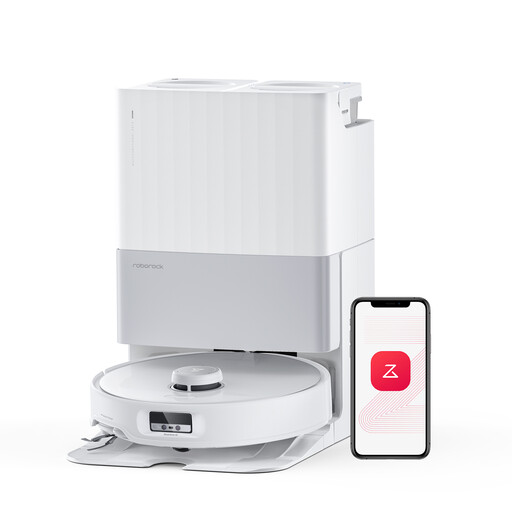
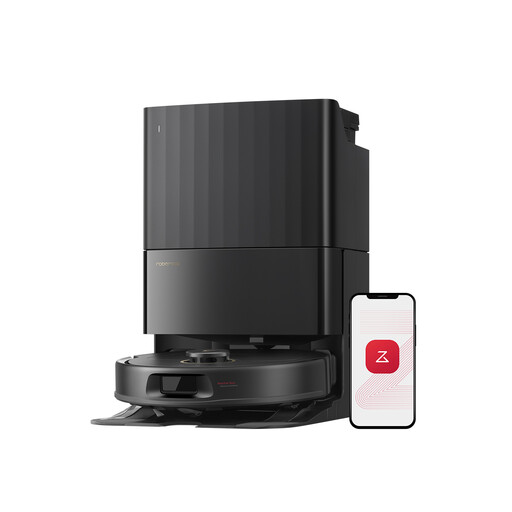
An ever-clean floor without lifting a finger: it’s a beautiful promise. The robot vacuum and mop embodies this peace of mind, but faced with a jungle of models and opaque marketing jargon, it's hard to know where to start. Before you invest, it's crucial to know how to separate life-changing innovations from superfluous gadgets.
Our mission: to help you decode the spec sheets to make an informed choice, perfectly suited to your home and your daily life. This article focuses on the pitfalls to avoid and the criteria that truly matter.
The 3 Pitfalls to Avoid Before Buying a Robot Vacuum
Marketing departments love to highlight impressive numbers that, all too often, don't reflect real-world performance. Here are three essential points to watch out for.
- The Race for Pascals (Pa): A high Pascal (Pa) number is an easy selling point. Yet, overpowering suction is useless if the main brush is poorly designed. If hair and pet fur constantly get tangled in it, performance plummets. True effectiveness comes from the synergy between power, a well-designed brush (ideally anti-tangle), and a sealed suction system.
- "Smart" Navigation That Isn't So Smart: Entry-level models often settle for gyroscopic or random navigation. The result is frustrating: the robot misses areas, gets senselessly stuck under furniture, or goes over the same spot ten times. Efficient, methodical cleaning relies on precise mapping technology.
- The "Hands-Free" Station That Demands Too Much: A station that empties dust, washes, and dries its mops is a major asset. But beware of poorly designed systems: mops that stay damp and end up smelling bad, inaccessible tanks, complicated maintenance... A station should simplify your life, not become a new chore.
The Technologies That Are Real Game-Changers
For truly autonomous and high-performance cleaning, focus on these three technological pillars.
1. The Navigation System: The Robot's Brain
Your robot's ability to move logically is the number one criterion. Its navigation technology determines its efficiency and speed.
- LiDAR (Light Detection and Ranging) Navigation: This is the gold standard today, by far. A LiDAR robot vacuum uses a rotating laser to scan your home in 360° and create an ultra-precise map, even in complete darkness. It then plans optimised cleaning paths, nimbly avoids obstacles, and always knows its location. It's essential for homes with multiple rooms or complex layouts.
- Camera-Based Navigation (vSLAM): This technology relies on a camera to map the space by identifying landmarks (walls, furniture, ceilings). It's effective but can struggle in low light or on very uniform surfaces.
- Gyroscopic/Random Navigation: Reserved for older or entry-level models, this method severely lacks precision. The robot moves in straight lines and changes direction as it bumps into obstacles. Cleaning is slower and far less systematic.
2. The All-in-One Station: The True Time-Saver
A robot vacuum and mop with a station can give you several weeks of peace of mind. But be sure to check what it actually does:
- Automatic Dust Emptying: The robot transfers the collected dust into a sealed bag located in the station. Most bags offer 30 to 60 days of autonomy. An essential feature to minimise contact with allergens.
- Mop Washing: The station cleans the robot's rotating or vibrating mop pads itself. The most advanced systems use hot water to better dissolve grease and stubborn stains.
- Hot Air Drying: After washing, the station blows hot air onto the mops to dry them completely. This feature is crucial to prevent the growth of bacteria and the emergence of bad odours.
- Water Tank Refilling: The station automatically refills the robot's small water tank, allowing it to mop larger areas without any intervention from you.
3. Suction and Brushing: The Power Duo Against Hair and Dirt
For pet owners or families, managing hair and fur is a constant challenge.
- Anti-Tangle Brush: Favour all-rubber brushes. Lacking traditional bristles, they prevent hair and fur from wrapping around, guiding them directly into the suction inlet. Some models even combine a dual brush for formidable efficiency.
- AI Obstacle Detection: Beyond LiDAR, premium models integrate a camera and artificial intelligence to recognise and avoid small objects left on the floor (socks, cables, pet toys). This is the promise of total peace of mind: no more need to tidy up the house before starting a cleaning cycle.
Three Models That Deliver Results
Here are a few options that meet specific needs, based on our performance and reliability criteria.
IDEAL FOR: STARTING OUT WITH SMART AUTOMATION
The Editor's Verdict: Perfect for discovering the joys of a robot mop without investing in a complex station. It includes the fundamentals of smart cleaning at an affordable price, making it an excellent choice for apartments and medium-sized homes.
Its Anti-Pitfall Feature
It incorporates precise LiDAR navigation, avoiding the pitfall of "blind" robots that clean randomly and inefficiently.
The Real Bonus
Multi-floor mapping (up to 5 maps) and advanced customisation via the app (no-go zones, scheduling).
IDEAL FOR: PET OWNERS
The Editor's Verdict: Built for the challenges posed by pets. Its suction power and specialised brush system tackle fur, while the hot water washing ensures impeccable hygiene, even on paw prints.
Its Anti-Pitfall Feature
Its dual rubber anti-tangle brush system directly tackles the plague of brushes blocked by hair, a major flaw in many competitors.
The Real Bonus
Mop washing with 75 °C hot water and the FlexiArm edge cleaning arm to leave no area behind.
IDEAL FOR: ULTIMATE AUTOMATION (AND HOUSEHOLD PEACE)
The Editor's Verdict: For tech enthusiasts and busy families who want to delegate 100% of floor cleaning. Its station handles everything (washing, drying, emptying, refilling), offering a "zero-hassle" experience ideal for large homes.
Its Anti-Pitfall Feature
The station is truly autonomous thanks to hot air drying, which prevents bad odours and the tedious maintenance of damp mops.
The Real Bonus
Complete 4-in-1 station, FlexiArm extendable mops for perfect edge cleaning, and AI obstacle detection for worry-free navigation.
Explore Other Models Vetted by Our Experts
Discover our full selection of robot vacuums that meet our performance criteria and European safety standards.
Your Questions Answered
What is the lifespan of a robot vacuum and mop?
The lifespan of a robot vacuum generally ranges from 3 to 5 years, but it heavily depends on build quality, frequency of use, and maintenance. The battery, brushes, and filters are the components that wear out the fastest. Choosing a reputable brand like Roborock or Ecovacs, which ensures the availability of spare parts, is a guarantee of longevity for your investment.
Can a robot vacuum really replace a stick vacuum?
For daily deep cleaning, a good robot vacuum is incredibly effective. It maintains an excellent level of cleanliness on hard floors and low-pile carpets. However, a cordless stick vacuum remains the ideal companion for quick, targeted clean-ups, stairs, ceilings, car interiors, or dirt deeply embedded in thick carpets. In short: the robot handles the maintenance, while the stick vacuum manages the unexpected and the finishing touches.
Is maintaining an auto-empty station complicated?
Not at all; everything is designed to be as simple as possible. Maintenance comes down to three steps:
- Replace the dust bag every 1 to 2 months.
- Empty the dirty water tank and refill the clean water tank (about once a week for normal use).
- Occasionally wipe the station's base and the robot's sensors with a dry cloth. It's nothing like the chore of emptying the bin and washing the mop by hand after every run.