
Livraison le jour même ou le lendemain

Qualité garantie

Débloquez vos offres de bienvenue: Livraison GRATUITE | Jusqu'à -80 % | 30 jours d'essai gratuits à JoyPlus
Téléchargez l'application
The promise of a self-cleaning floor is a dream come true. A robot vacuum and mop seems like the miracle solution for freeing up time, whether you're a busy professional, a hectic family, or a proud pet owner. However, the market is flooded with marketing promises that can quickly turn that dream into buyer's remorse. As a product expert for Joybuy, my mission is to equip you to decipher spec sheets and make a truly informed decision that fits your daily life.
Before you take the plunge, here are the three most common pitfalls to avoid:
To avoid these disappointments, focus on the features that truly matter for your device's performance and longevity.
Suction power, measured in Pascals (Pa), indicates the motor's suction force. While a powerful robot vacuum is essential for carpets and rugs, the design of the main brush is just as, if not more, crucial.
The navigation method determines the efficiency and speed of the cleaning cycle.
A high-performance docking station is the key to a truly "hands-free" experience.
Instead of an endless list, here are a few models that meet specific needs, selected based on strict performance and reliability criteria.
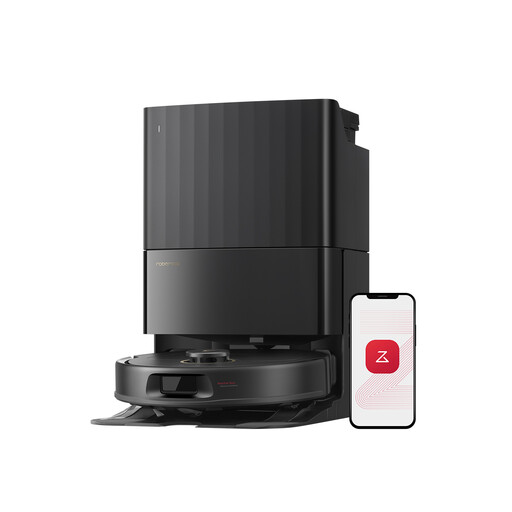
Why it stands out: Perfect for pet owners thanks to its colossal suction power (12,000 Pa) and dual anti-tangle brush. Its FlexiArm mops automatically lift on carpets, making it ultra-versatile on mixed flooring.
It avoids the "power alone" pitfall by combining cutting-edge suction with a truly effective brush system, designed to devour hair and fur without choking.
The combination of immense suction power and an effective anti-tangle system makes it the best ally for the most demanding homes, especially those with lots of pet hair.
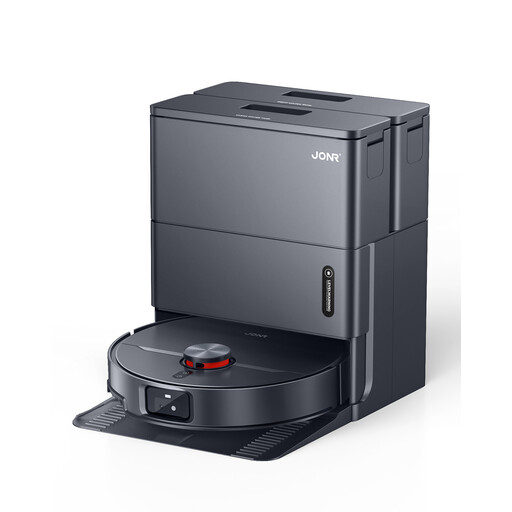
Why it stands out: For those who want a "set-it-and-forget-it" solution. Its 100% autonomous station washes the mops with hot water (75°C) and dries them with hot air (45°C), ensuring impeccable hygiene and near-zero maintenance. Its AI-powered navigation and extendable arms for corners make it a true tech powerhouse.
It tackles the "high-maintenance station" pitfall head-on with a system that hygienically cleans and dries its own mop pads, stopping bad odours and bacteria in their tracks.
Hot water mop washing at 75°C and hot air drying: the guarantee of perfect hygiene and maintenance reduced to an absolute minimum.
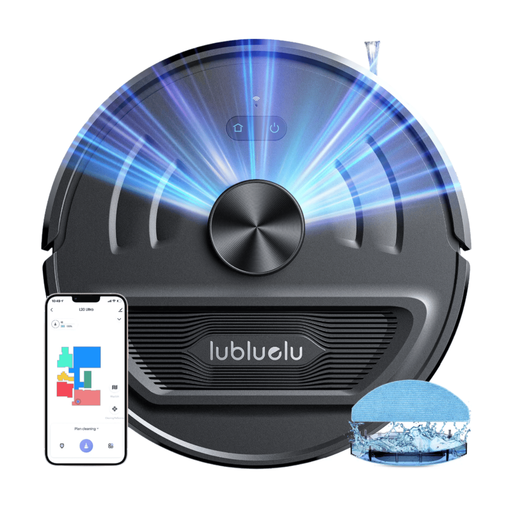
Why it stands out: It makes high-end features, like LiDAR navigation and 5-map memory, accessible at a much more affordable price point. Its particularly quiet operation (55 dB in silent robot vacuum mode) is a major asset in apartments, especially for night-time cleaning.
It avoids the "basic navigation" pitfall by including precise LiDAR mapping, a technology usually reserved for much more expensive models. The result: methodical cleaning without the premium price tag.
Access to LiDAR navigation and multi-floor mapping without the added cost of a complex station. And its operation is nearly silent.
We have curated a comprehensive, up-to-date selection of products that meet our demanding selection criteria and safety standards.
It all depends on the mopping technology. Entry-level models with a simple damp cloth will give up on dried-on stains. For a true floor-scrubbing robot, look for models with rotating mop pads that apply pressure to the floor. The ultimate weapon? Hot water mopping, available on some premium models, which effortlessly dissolves greasy or sticky stains.
On average, a well-maintained robot vacuum can last between 3 and 5 years. The battery is often the first component to fail, typically after 2 to 3 years of heavy use. To extend its life, here's a tip: leave the robot on its charging base between cycles and regularly clean the brushes, filters, and sensors to reduce strain on the motor.
While not strictly "essential," LiDAR navigation is highly recommended. For complex homes (multiple rooms, lots of furniture, several floors), its reliability and efficiency are worlds apart from other systems. It guarantees a faster, more methodical cleaning and unlocks advanced software features, like fine-tuned control over which zones to clean or avoid. For a simple studio apartment, a camera-based model might suffice, but LiDAR remains the most worthwhile investment for the vast majority of users.