
Livraison le jour même ou le lendemain

Qualité garantie

Débloquez vos offres de bienvenue: Livraison GRATUITE | Jusqu'à -80 % | 30 jours d'essai gratuits à JoyPlus
Téléchargez l'application
Investing in a robot vacuum and mop with a self-emptying and cleaning station is a significant purchase. The promise is tempting: nearly total autonomy for your floor care. But be warned, the market is flooded with marketing jargon and promises that can be misleading. Before you take the plunge, it's crucial to distinguish life-changing features from superfluous gadgets. Here are the most common pitfalls and our advice on how to avoid them.
Pitfall #1: The "all-in-one" station that constantly needs your attention. Some stations claim to be "all-in-one," but their water tanks (for both clean and dirty water) are so small they require near-daily refilling and emptying. Even worse: mops that are rinsed with cold water and poorly dried end up smelling musty, forcing you to clean the base station itself by hand. The promised autonomy quickly becomes a distant memory.
Pitfall #2: Impressive suction power on paper, but disappointing in practice. Brands love to showcase staggering suction power figures (in Pascals, Pa). However, without a well-designed main brush to prevent a tangled mess of hair and fur, and without a mopping system that actually scrubs the floor, this raw power is useless. The robot simply pushes dirt around or leaves wet streaks behind.
Pitfall #3: "Smart" navigation that gets lost in socks and ignores corners. A robot that gets stuck under the sofa, declares a no-go zone because of a black rug, or consistently bumps into chair legs is anything but smart. Inaccurate mapping and poor detection of everyday small obstacles (cables, children's toys) can quickly turn your valuable assistant into a new source of stress.
To make the right choice, focus on the features that have a real impact on the robot's autonomy and cleaning effectiveness.
A truly autonomous station must do much more than just empty dust. The key points to check are:
A robot's intelligence is measured by its ability to navigate your home. LiDAR (Light Detection and Ranging) technology, often marketed as a LiDAR navigation robot vacuum, remains the gold standard for fast and precise mapping. It should be paired with a responsive obstacle detection system (camera + AI, structured light) capable of identifying and navigating around small objects in real-time to prevent the robot from getting needlessly stuck.
Beyond raw power, mechanical action is crucial.
Rather than an endless list, here are models that meet specific needs, based on the performance and autonomy criteria we've just discussed.
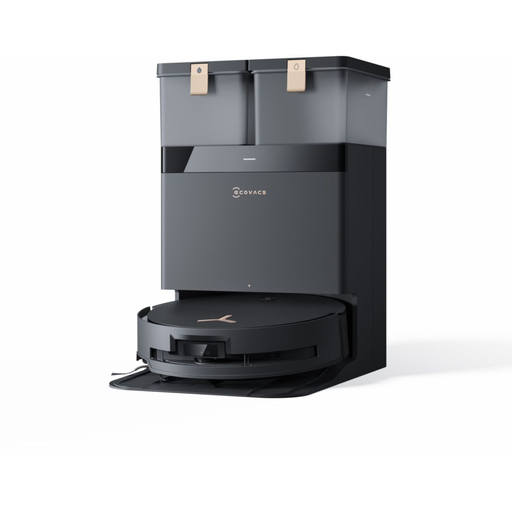
Why we chose it: For families and professionals who want a "set it and forget it" solution. This model focuses on reliability and minimal maintenance thanks to its ultra-comprehensive station. The voice assistant, a real plus for the YIKO robot vacuum voice command, makes spot cleaning effortless.
Its 12-in-1 station tackles Pitfall #1 head-on. Hot water mop washing (up to 75 °C) and hot air drying ensure perfect hygiene and drastically reduce manual maintenance.
One of the most advanced self-cleaning robot vacuum stations on the market, managing washing, drying, refilling, and emptying for total peace of mind.
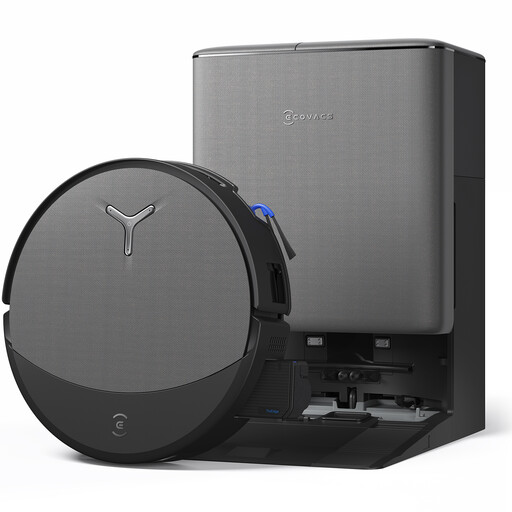
Why we chose it: For those who want the pinnacle of technology. This model combines phenomenal suction power with cutting-edge innovations in navigation and edge cleaning for uncompromising performance.
It sidesteps Pitfall #3 (inaccurate navigation) with its AIVI 3D 4.0 system and TruePass 4WD edge coverage, designed to leave no corner untouched and manoeuvre with formidable agility.
The combination of raw power (up to a claimed 30,000 Pa) and state-of-the-art navigation technologies for a deep clean, even in the most complex areas.
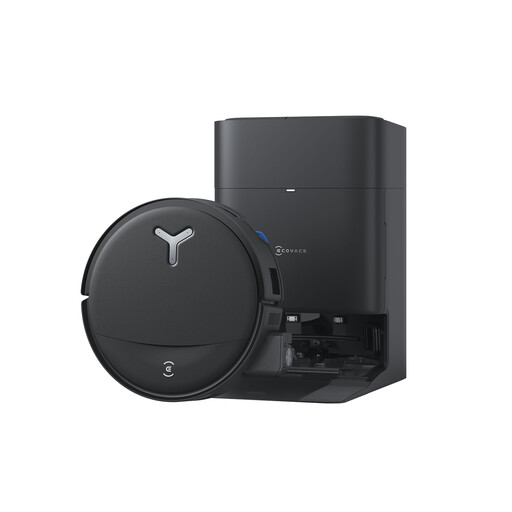
Why we chose it: Perfect for homes full of furniture, with baseboards and corners where dust loves to hide. This model stands out for its ability to dislodge dirt where other robots give up.
It tackles Pitfall #2 (great specs but mediocre cleaning) thanks to its TruEdge 3.0 Extreme Edge Cleaning technology, which extends its mop to hug baseboards and corners as closely as possible.
Formidable effectiveness along walls and around furniture legs, powered by a ZeroTangle 3.0 brush that makes short work of hair and fur.
We have compiled a complete and up-to-date selection of products that meet our demanding selection criteria.
The longevity of a robot vacuum and mop primarily depends on its maintenance. The battery is generally designed to retain good capacity after several hundred charging cycles (equivalent to 2 to 4 years of normal use). Consumables like brushes, filters, and mops should be replaced periodically (every 3 to 12 months depending on the part and your usage) to ensure optimal performance. The station itself is built to last for many years.
No, installation is generally very straightforward. You just need to find sufficient space against a wall, with a power outlet nearby and about 0.5?metres of clearance on each side and 1.5?metres in front so the robot can manoeuvre easily. Once the station is plugged in and the tanks are filled, you just connect the robot to your Wi-Fi via the manufacturer's app. The very first cleaning cycle will allow it to map your home.
Voice control, like Ecovacs' YIKO system, might seem like a gimmick, but it proves to be surprisingly practical in daily life. Instead of pulling out your smartphone and opening the app, you can simply say, "OK YIKO, clean under the kitchen table" after a meal. It's ideal for handling a small mess or starting a targeted cleaning in a flash, making interaction with the robot much more natural and immediate.