
Livraison le jour même ou le lendemain

Qualité garantie

Débloquez vos offres de bienvenue: Livraison GRATUITE | Jusqu'à -80 % | 30 jours d'essai gratuits à JoyPlus
Téléchargez l'application
An always-immaculate floor without lifting a finger: the promise is certainly appealing. The robot vacuum and mop aims to make this a reality, but the market is a jungle of models with obscure spec sheets and often over-the-top marketing claims. Navigating it can be a real headache, and the risk of buyer's remorse is very real.
As the Head of Product Recommendations at Joybuy, my job is to decipher this avalanche of information to help you see things more clearly. Before we get to our top picks, let's review the 3 most common pitfalls that could cost you dearly... and leave you with a disappointing device.
To avoid falling into these traps, focus on the features that make a real difference in performance and user convenience for a robot vacuum and mop.
Suction power, measured in Pascals (Pa), indicates the force with which the robot picks up dust. A high number (5,000 Pa and above) is a good starting point for rugs and carpets. However, on hard floors and for tackling hair, the brush design is at least as crucial. Prioritise rubber brushes or dual-brush systems with anti-tangle technology. This is a non-negotiable feature for a robot vacuum for pet hair to be truly effective.
Navigation technology is the brain of your robot. For precise and comprehensive cleaning, LiDAR laser mapping has established itself as the gold standard. It allows the robot to scan your home in 360° to create an accurate map, even in complete darkness. A mapping robot vacuum equipped with LiDAR plans optimised routes, avoids obstacles with high reliability, and allows you to define no-go zones or target a specific room via the app. It's the difference between haphazard cleaning and perfect coverage of your home.
The robot vacuum with an auto-empty station has become an almost essential standard, sparing you the chore of emptying the robot's small dustbin after each run. But for near-total autonomy, the most advanced stations go much further:
These features are a complete game-changer and transform the user experience, reducing maintenance to a simple intervention every few weeks.
Because every home is unique, with its own constraints and expectations, here is our selection of models. Each has been chosen for its ability to meet a specific need while avoiding the pitfalls we've just discussed.
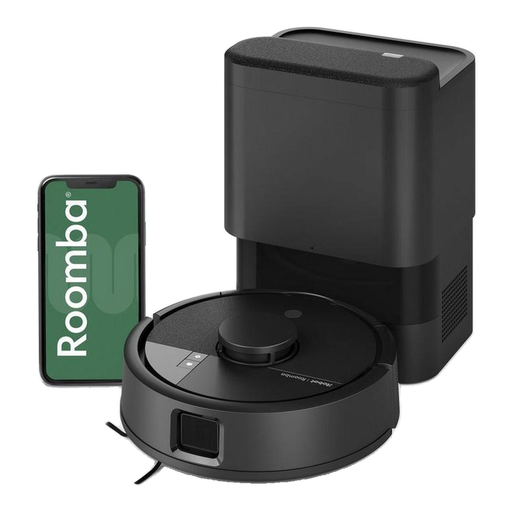
Why this model? Its ultra-compact design (24.5 cm) is tailor-made for apartments where every square inch counts. It easily slips under furniture and between chair legs, where larger models give up. It's an ideal solution for a first-time purchase.
It avoids the "smart" navigation trap with its LiDAR 360° ClearView system. It maps with precision and cleans methodically. Its AutoEmpty station empties the dust, offering convenient autonomy without the complexity of a full washing station.
It combines vacuuming and mopping, automatically detects carpets, and resumes cleaning after recharging. Its compact size makes no compromises on advanced mapping features.
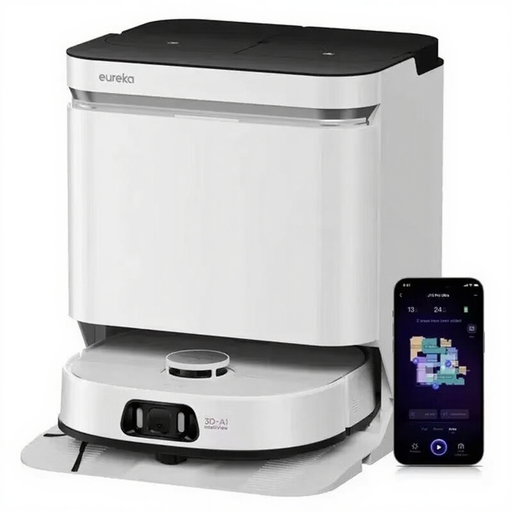
Why this model? It's designed for everyday challenges: pet hair, stubborn dirt, and the need for impeccable hygiene. Its high suction power and anti-tangle technology make it a powerful ally for active households.
It doesn't just boast 16,200 Pa; it pairs this power with FlexiRazor anti-tangle technology, which tackles the root of the problem of hair and fur blocking the brush. Its station is truly "all-in-one," with 75°C hot water mop washing and drying, going far beyond simple dust emptying.
The ScrubExtend technology allows the mops to extend to clean edges and corners, an often-neglected area. AI-powered dirt detection adjusts power in real-time.
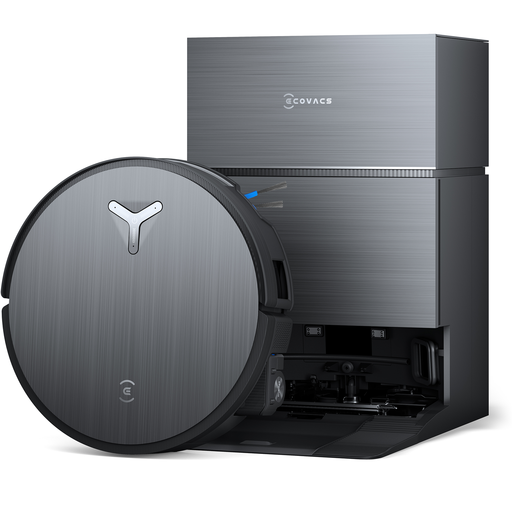
Why this model? For those who want to make no compromises on automation and performance. It packs a powerhouse of cutting-edge technologies for a deep clean and minimal maintenance, perfect for large homes and demanding users.
It combines 19,500 Pa of suction power with an OMNI station that offers near-total autonomy: hot water mop washing, drying, dust emptying, and tray self-cleaning. AI 2.0 stain detection adapts the cleaning to the actual mess for a flawless result.
The OZMO ROLLER 2.0 mopping system actively scrubs the floor with high pressure and a 200 RPM rotation. TruEdge 3.0 technology ensures precise cleaning along baseboards. Its ability to cross thresholds up to 4 cm is also a major asset in complex homes.
We have compiled a complete and up-to-date selection of products that meet our demanding selection criteria and European safety standards.
Yes, but effectiveness varies greatly. The models that perform best on carpets, like a good robot vacuum for carpets, combine several key features: high suction power (over 5,000 Pa), automatic carpet detection to boost suction, and a mop-lifting function to avoid getting them wet. Always check that the robot can lift its mopping pads by at least 7 mm to clear low-pile carpets without dampening them.
The lifespan of a robot vacuum is typically between 3 and 6 years, depending on build quality and how well it's maintained. The battery, a primary wear-and-tear component, generally retains over 80% of its capacity for the first 300 to 500 charge cycles. To extend its life, it's recommended to keep the robot on its charging base when not in use and to regularly clean its charging contacts.
No, the setup process has become incredibly simple! Generally, all you need to do is: