
Livraison le jour même ou le lendemain

Qualité garantie

Débloquez vos offres de bienvenue: Livraison GRATUITE | Jusqu'à -80 % | 30 jours d'essai gratuits à JoyPlus
Téléchargez l'application
Roasted sunflower seeds have everything going for them: a crunchy texture, a variety of seasonings and a convenient format for sharing. In France, they are just as enjoyable with drinks as they are in front of a film or during a tasty break. But with plain Chinese sunflower seeds, savoury recipes and more unexpected flavours to choose from, it is best to check the label before filling your basket.
Seeds are often sold in their shells. A 200 g pack therefore does not contain 200 g of shelled seeds. For an individual snack, a 90 to 128 g pack is generally sufficient. On the other hand, 200 to 500 g packs are more practical for an evening with friends or regular consumption.
A description such as ‘traditional flavour’ or ‘gourmet recipe’ is not enough to tell you what a product contains. Take the time to check the ingredients list and nutrition table. For example, 115 g ChaCha salted sunflower seeds contain 600 mg of sodium per 100 g, while Aji sunflower seeds in assorted flavours contain 5 g of salt per 100 g.
Sweet-and-savoury recipes, such as honey and butter sunflower seeds or coconut-flavoured varieties, may also contain sugar, sweeteners, flavourings and texture-modifying agents. That does not make them any less appealing, but their taste and nutritional profile are very different from those of a plain recipe.
Any mention of sesame, milk, celery or sulphites, along with possible traces of peanuts and tree nuts, should be checked before buying. The honey and butter recipe, for example, contains butter and therefore milk. Golden Lily white sesame seeds contain sesame and sulphur dioxide, listed as the additive E220.
After opening, seal the pack carefully and store it somewhere dry, cool and away from light. Moisture is enough to make the crunch disappear quickly.
For a classic Chinese appetiser, savoury or spicy recipes are generally the easiest to enjoy. Five-spice sunflower seeds have a more pronounced character, thanks to a blend of spices, salt and sometimes sugar.
Prefer milder combinations? Honey and butter sunflower seeds offer a sweet-and-savoury balance. Coconut recipes add an exotic touch, while roasted watermelon seeds provide an interesting alternative to sunflower seeds, with a different size and texture.
For already seasoned seeds, a small pack reduces the risk of losing freshness. For ingredients such as sesame, however, a larger pack may be worthwhile if you cook with it regularly.
Remember to check the following:
In the kitchen, white sesame seeds, roasted black sesame seeds and cumin seeds are not used in the same way. White sesame complements breads, salads, pastries and sauces. Black sesame adds a deeper colour and a toasted flavour. Whole cumin, such as jeera, is ideal for curries, vegetables, pulses and spice blends.
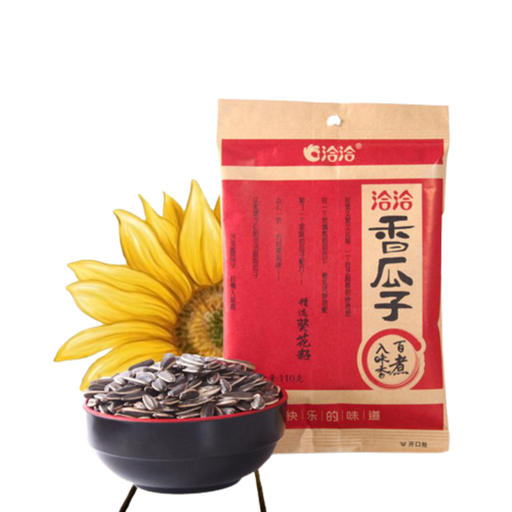
Why this choice suits this profile : At 115 g, this pack lets you discover a savoury Chinese appetiser without leaving you with a large stock to use up. It is suitable for occasional tasting or a small, indulgent snack at home.
The weight and recipe are clearly detailed. The ingredients specifically list salt, sugar, spices and celery.
A 115 g format, a classic savoury flavour and a nutrition table provided per 100 g.
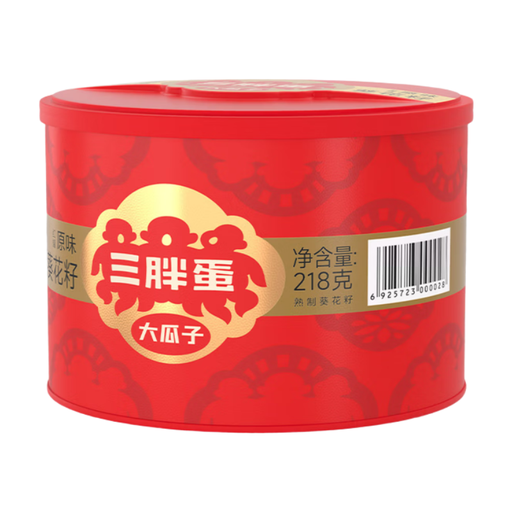
Why this choice suits this profile : This 218 g pack is aimed at fans of lightly seasoned Chinese sunflower seeds. The brand highlights large seeds from Inner Mongolia.
The product page clearly distinguishes the original flavour from flavoured recipes and states a sodium content of 18 mg per 100 g.
A 218 g format, seeds described as meaty and salt presented as the only added ingredient.
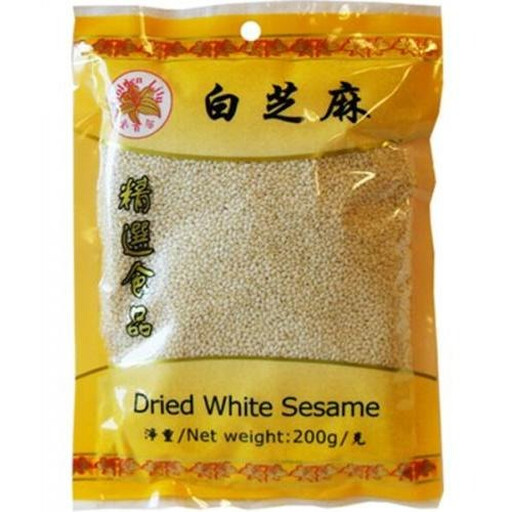
Why this choice suits this profile : This pack is intended for people who use sesame regularly in cooking and baking, as well as in breads, salads, sauces and Asian desserts.
The product page highlights the presence of sesame and sulphites. At 1 kg, this product is intended for regular consumption to avoid storing it for too long.
A 1 kg pack, versatile uses and the option to toast the seeds in a frying pan in just a few minutes.
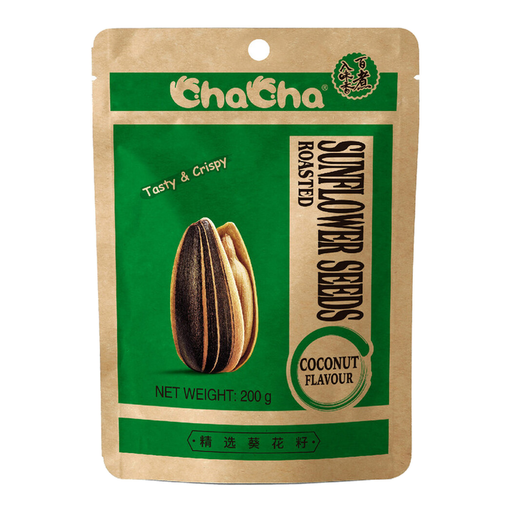
Why this choice suits this profile : The coconut flavour is for those who want a change from the traditional salty taste and wish to discover another side of Asian snacks, combining sweetness and indulgence.
The ingredients list sugar, coconut powder, sweeteners and flavouring. This allows you to check whether the recipe suits your tastes.
A 200 g pack, a ready-to-eat product and a clearly stated coconut flavour.
We have brought together a complete, real-time updated selection of products that meet these demanding criteria and European food safety rules.
Place them in an airtight container in a dry cupboard, away from any source of heat. Reseal the pack as soon as possible and eat its contents promptly to preserve the crunch.
No. Some recipes are plain or lightly seasoned, while others contain salt, sugar, spices, coconut or flavourings. The ingredients list and nutrition table will tell you exactly what type of recipe you are choosing.
Roasted sunflower seeds are mainly eaten as a snack, often in their shells. White or black sesame seeds are used more as a seasoning or ingredient in breads, pastries, salads, sauces and Asian dishes. Cumin, meanwhile, is mainly used as a spice, either whole or ground.