
Livraison le jour même ou le lendemain

Qualité garantie

Débloquez vos offres de bienvenue: Livraison GRATUITE | Jusqu'à -80 % | 30 jours d'essai gratuits à JoyPlus
Téléchargez l'application
Finding the perfect roasted sesame sauce can sometimes feel like a complex challenge. Between salads to elevate, poke bowls to perfect, and grilled meats to accompany, the shelves are overflowing with options. So, how do you sort through them all and find that hidden gem?
This guide is here to shed some light. As a product manager at Joybuy, my mission is simple: to give you the keys to making an informed choice, cutting through the marketing fluff. We'll focus on facts, taste, and real-world applications. Together, let's break down the criteria that truly matter before introducing you to our favorite sauces.
Before we get to our selection, let's review the key points that make all the difference between a good Japanese sesame dressing and a great one.
This is the first criterion to consider. A creamy sesame dressing is perfect for generously coating a mixed salad or for serving as a dip. Its rich, smooth texture clings perfectly to ingredients. Conversely, a more liquid version will pair beautifully with cold noodles or serve as a base for a light marinade. It all depends on how you plan to use it.
When it comes to taste, not all sesame sauces are created equal. Some emphasize sweetness with a more pronounced touch of sugar, while others highlight the savory side of soy sauce. The main marker, of course, remains that roasted sesame aroma. The intensity of its nutty notes depends directly on the percentage of sesame seeds and their roasting process, which can be more or less intense. For a poke bowl sauce, you generally want a beautiful balance of sweet, savory, and umami.
A sauce for every dish! Think about your primary use. A sesame salad dressing is often formulated to be ready to use. Others, which are more concentrated, will work wonders as a shabu shabu sauce (Japanese hot pot) or for deglazing vegetables in a wok. A quick look at the label will tell you the manufacturer's recommended uses.
Here are our top picks, each with its own unique qualities to satisfy every craving.
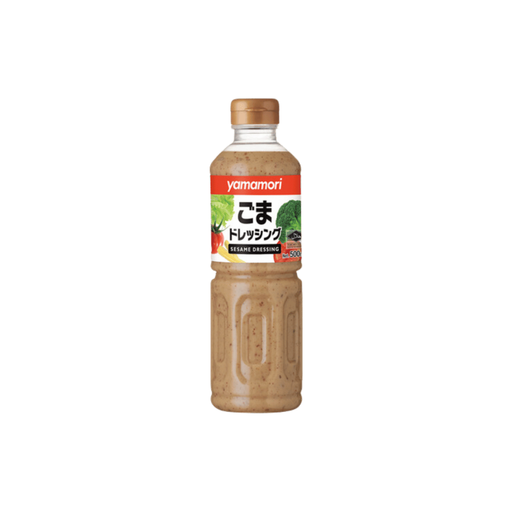
Why We Love It The Yamamori sauce stands out with its velvety texture and powerful aroma, boasting a generous content of 7% roasted sesame seeds. Made in Thailand by a brand with Japanese roots, it offers a perfectly mastered balance between sweet and savory, thanks to high-quality soy sauce and a touch of rice oil.
Advantages
Who Is It For? For those looking for a versatile and flavorful sauce that can enhance both cold and hot dishes with a distinct sesame flavor.
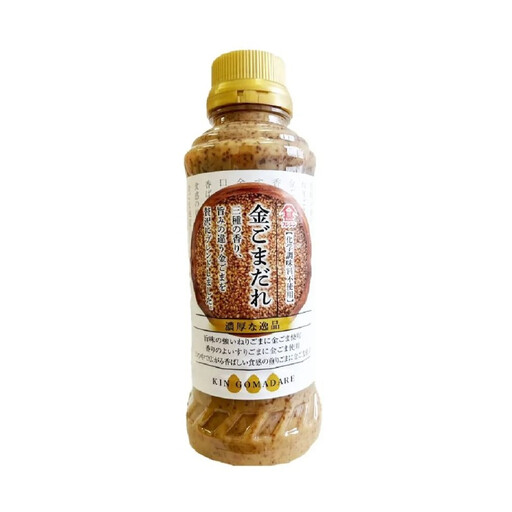
Why We Love It From Fujijin Shoyu, a benchmark Japanese house, this sauce embodies classic quality and balance. Its texture is particularly smooth and creamy, making it an excellent creamy sesame dressing for those who appreciate sweetness and a luscious consistency.
Advantages
Who Is It For? For purists and lovers of authentic Japanese flavors who are looking for an ultra-creamy texture and a harmonious sesame taste. Perfect for salads and noodle dishes.
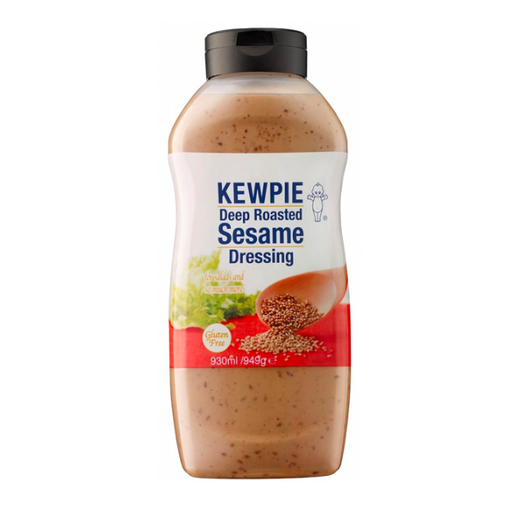
Why We Love It Kewpie's "Deep Roasted" version is the star of its category, famous for its intense, toasted flavor. The use of deep-roasted sesame seeds (5%) and tamari soy sauce gives it a unique character and a very pronounced nutty flavor. It's THE go-to choice for many fans of roasted sesame sauce.
Advantages
Who Is It For? For sesame aficionados who want a powerful taste and a dressing with character. Its generous size makes it perfect for families and frequent users.
Our selection highlights tried-and-true, balanced options, but the world of sesame flavors is much broader. There are spicier, lighter, or specifically designed variations for particular uses.
To discover other sizes or different flavor profiles, feel free to explore our complete range.
? Discover our full range of sesame seasonings
1. What's the difference between sesame sauce and tahini? Tahini is a 100% pure paste made from sesame seeds (raw or lightly toasted), sometimes with a little oil added. Japanese-style roasted sesame sauce, on the other hand, is a complete dressing that contains sesame, vinegar, sugar, soy sauce, and other condiments. In short: tahini is a raw ingredient, while sesame sauce is a ready-to-use condiment.
2. How should I store roasted sesame sauce after opening? Once opened, it's essential to store the bottle tightly closed in the refrigerator. This helps preserve the freshness of its aromas and prevent spoilage. Refer to the period indicated on the packaging, which is generally about one month.
3. Can roasted sesame sauce be used for cooking? Yes, but in moderation. It can serve as a base for a quick marinade or be added at the end of cooking in a wok to flavor vegetables or meat. Be careful, as cooking it for too long or at too high a temperature can alter its delicate roasted sesame flavor. It is therefore much better used cold or added at the very end of the cooking process.