
Livraison le jour même ou le lendemain

Qualité garantie

Débloquez vos offres de bienvenue: Livraison GRATUITE | Jusqu'à -80 % | 30 jours d'essai gratuits à JoyPlus
Téléchargez l'application
Roasted peanuts are easy to find, but two seemingly similar packets can hide real differences. Salt content, coating, net weight, allergens, freshness and storage conditions all have a direct impact, whether you're serving them as a snack or using them in cooking.
Before you fill your basket, here are the main pitfalls to avoid and the criteria to consider when choosing between snack peanuts, plain peanuts, spicy peanuts or peanuts intended for cooking.
A large bag might seem better value, but you need to distinguish between shelled peanuts and peanuts in their shells. With the latter, part of the weight is the shell, which you can't eat.
Also think about matching the size to how you plan to use them:
To compare offers, the price per kilogram is far more useful than the price of the packet alone.
A label like "barbecue", "spicy chicken" or "wasabi" gives you an idea of the taste, but not the exact composition. Coated peanuts often contain wheat flour, sugar, oil, flavour enhancers or several allergens.
Before you order, make sure to check:
Vegetarians and vegans can look for products made from 100% peanuts, as long as they check the up-to-date label.
Peanuts are naturally high in fat. If they're exposed to air, heat or moisture for too long, they can oxidise and lose their quality. A poorly resealed packet can also make roasted peanuts go soft.
Store them in a dry, cool place away from direct light. Once the packet is open, seal it carefully or transfer the contents to an airtight container. For small packs that are packed in a protective atmosphere, it's usually best to eat them soon after opening.
Roasted peanuts are ready to eat and fit perfectly into a drinks party, a salad or a snack mix. Salted versions give you an instant flavour hit, while peanuts with no added salt leave you more freedom for cooking.
Raw peanuts, or unroasted ones, are more versatile for:
Raw peanuts must be cooked, roasted or boiled sufficiently before eating, following the instructions on the packaging.
Ingredients are always listed in descending order of quantity. For a simple recipe, go for a short list, for example "peanuts, oil, salt". In a coated product, the flour and seasonings can make up a significant part of the contents.
The nutritional table per 100 g lets you compare products on a common basis. Pay particular attention to:
This information doesn't replace personal dietary advice, but it does help you make a more informed choice between different options.
A large pack often reduces the amount of individual packaging, but it needs careful storage. The 1 kg pack of MONT ASIE, for example, is presented as suitable for everyday snacking, cooking and sharing. At the other end of the scale, the 36 g packet of SUNDY lets you control the amount you take for a break or when you're out and about.
For a party, the 230 to 500 g sizes are often the most practical. If you just want to try a flavour — wasabi, chilli or coconut — a 80 to 140 g packet limits the risk of being left with a product that doesn't suit your taste.
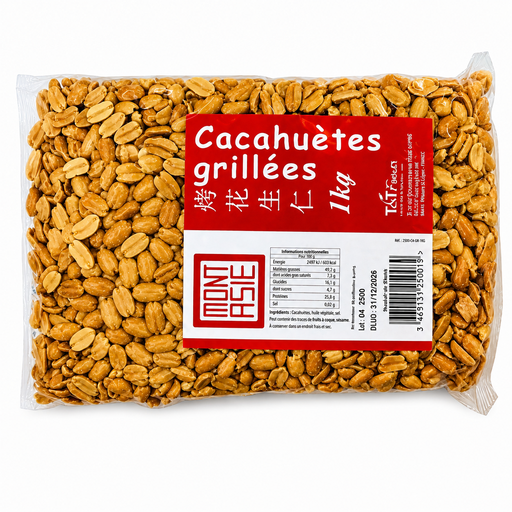
Why this choice suits this profile: This large pack is ideal for households looking for plain roasted peanuts for snacking, recipes and sharing.
The listing states a composition of peanuts and 0 g of salt per 100 g. This means you stay in control of the seasoning in your home cooking.
1 kg pack, ready-to-eat roasted peanuts, store at room temperature in a dry, well-ventilated place.
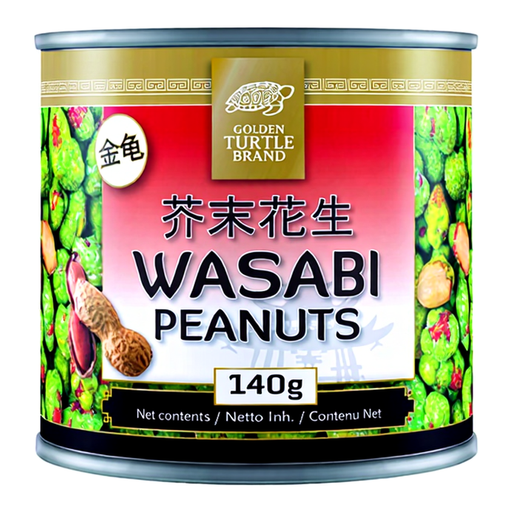
Why this choice suits this profile: Fans of Asian flavours will love the wasabi coating, perfect for a change from classic snack peanuts.
The listing notes the presence of wheat and a risk of traces of mustard, so you can check whether the product suits your dietary needs.
140 g pack, wasabi coating, 25 g of protein and 8.5 g of fibre per 100 g as stated.
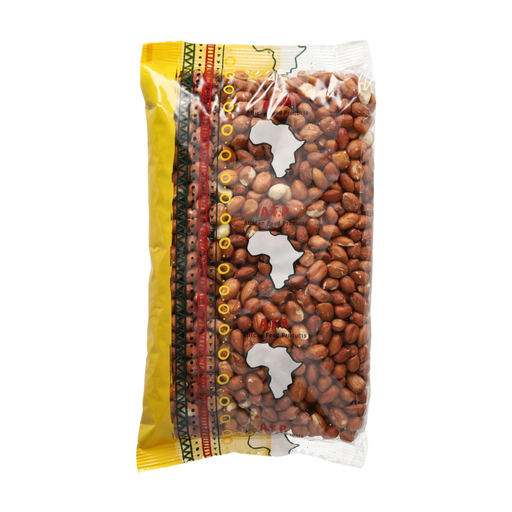
Why this choice suits this profile: This pack is for those who want to roast, boil or process the peanuts themselves for cooking.
The product is described as unroasted and made from 100% peanuts with skin, so it's not a ready-to-eat snack.
800 g pack, no added salt according to the listing, suitable for home roasting and vegetarian or vegan recipes.
We've put together a full, real-time selection of products that meet these exacting criteria and comply with European safety regulations.
Coated products, whether barbecue, chicken or chilli flavour, often contain wheat and soya. Reading the allergen list is therefore essential, even when peanut is the main ingredient.
It depends on the date on the packet and the storage conditions. Before opening, keep them in a dry, cool place away from light. After opening, seal the packet tightly and eat them quickly to preserve their crunch and freshness.
Yes, raw peanuts can be roasted or boiled, as long as you follow the right preparation and cook them thoroughly. Products with skin can then be used in sauces, desserts or snack mixes. Always check the instructions on the packaging.
Some products may be suitable, but it's never guaranteed. A chicken, prawn or other animal-flavour coating may contain animal-derived ingredients or flavourings. Check the full ingredients list and the brand's guidance before making your choice.