
Livraison le jour même ou le lendemain

Qualité garantie

Débloquez vos offres de bienvenue: Livraison GRATUITE | Jusqu'à -80 % | 30 jours d'essai gratuits à JoyPlus
Téléchargez l'application
Roasted peanuts might look identical on the shelf, but their ingredients, size and texture can vary enormously. From simply dry-roasted peanuts to salted varieties, coated versions and spicy recipes, a hasty choice could leave you with a product that's too salty, too small or ill-suited to your intended use.
Before you fill your basket, check three things: the ingredients list, the net weight and the allergens. These criteria will help you tell the difference between a plain peanut for cooking and a flavoured Asian snack to enjoy straight from the bag.
A plain roasted peanut usually contains very few ingredients: peanuts, sometimes oil and salt. Coated peanuts, on the other hand, are covered in a preparation made from flour, starch, sugar, oil and seasonings. Their texture is crunchier and their flavour more pronounced, but their nutritional profile and salt content can be very different.
Start by looking at the first ingredients on the label. If flour or seasoning appears before the peanut, you're probably looking at a generously coated product, not a simple roasted peanut.
Spicy peanuts, chilli peanuts or wasabi peanuts don't all offer the same level of heat. Some rely on chilli, others on Sichuan pepper, wasabi, garlic, paprika or a sweet-and-savoury sauce. The word "spicy" alone isn't enough to give you a clear idea of the flavour.
To put together an aperitif that appeals to most people, plan for several profiles: a mild salted version, a Thai sweet-chilli recipe and a more fiery option. That way, you'll avoid ending up with a large bag whose flavour doesn't suit anyone around the table.
An individual 36 g bag is perfect for snacking on the go, while a 1 kg format is better suited to a family, a party or cooking. Buying in bulk is only worthwhile, however, if the product stays crunchy after opening.
Store peanuts in a dry place at room temperature, away from light and moisture. Seal the bag carefully after each use. For smaller formats, eat the contents quickly once opened to preserve their crunch.
Peanuts are classed as tree nuts considered allergens under regulations. Coated recipes may also contain wheat, gluten, soya, mustard, shellfish or other nuts. Always check the label, especially for Thai peanuts, prawn-flavoured recipes or chicken-style seasonings.
Flavoured varieties may also contain sugar, palm or sunflower oil, flavour enhancers and colourings. These elements alone don't make a product good or bad – they simply help you check that it matches your preferences and dietary requirements.
Compare the nutritional values per 100 g rather than per portion, because the pack sizes aren't the same. As a guide, SUNDY peanuts contain 0.95 g of salt per 100 g, compared with 2.4 g for Koh-Kae Thai Sweet Chilli peanuts. Koh-Kae's BBQ recipe, meanwhile, has 1.5 g of salt per 100 g.
Coated recipes also bring carbohydrates from flour, sugar or starch. Plain roasted peanuts, like the MONT ASIE variety, contain only peanuts and show 0 g of salt according to the information provided. Always check the packaging you receive – the manufacturer's official declaration is what counts.
Peanuts in their shells also require more handling and can leave mess on the table. They're best suited to sociable moments when everyone has time to shell their own.
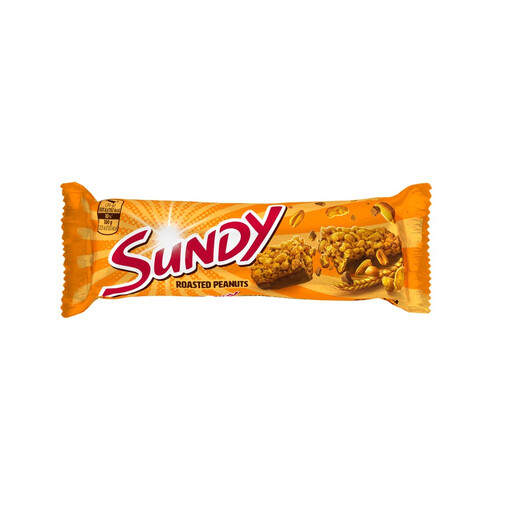
Why this choice suits this profile: Its 36 g bag is perfectly suited to individual consumption – at the office, on public transport or during a hike. The recipe contains 98% peanuts, sunflower oil and salt.
The small format stops you from leaving a large bag open and risking a loss of crunch. The ingredients list is short and easy to understand.
On-the-go 36 g format, crunchy texture and 0.95 g of salt per 100 g according to the product sheet.
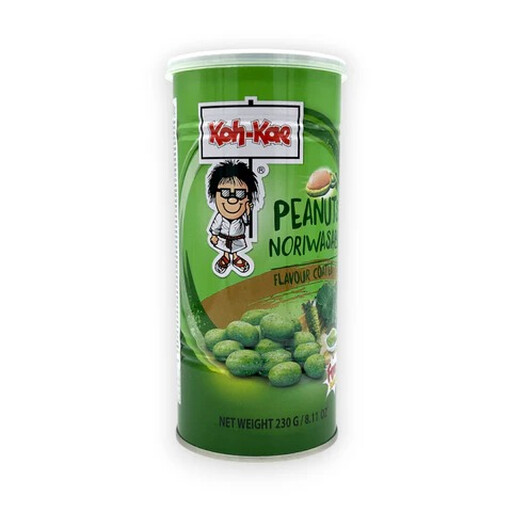
Why this choice suits this profile: The coating combines wasabi and nori seaweed for a far more expressive experience than a simple salted peanut. At 230 g, this format works well for an aperitif where the bites are shared.
The flavour profile is clearly stated around two dominant tastes: wasabi and nori. You're not faced with a simple seasoning sold as spicy.
230 g, 50% peanuts in the recipe and vegetarian according to the product sheet.
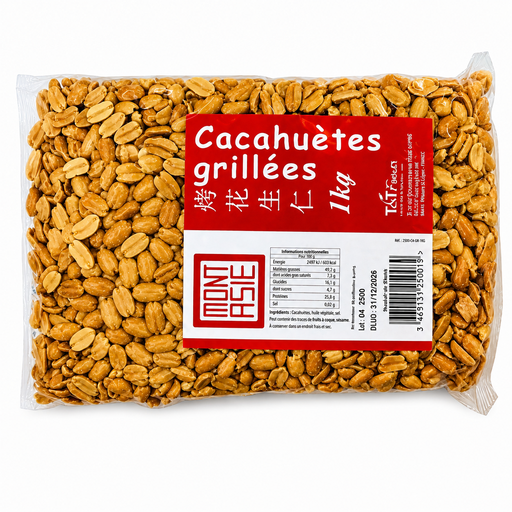
Why this choice suits this profile: This large pack is ideal for frequent consumption, a party or making homemade recipes. The roasted peanuts can be enjoyed as they are or used as an ingredient.
The recipe is limited to peanuts, with no coating or blend of seasonings. The one-kilogram format stops you from accumulating lots of small bags for group use.
1 kg, 0 g of salt stated and plenty of possibilities: snack, side dish or cooking ingredient.
We've put together a comprehensive, real-time selection of products that meet these exacting criteria and European food safety regulations.
For a classic aperitif, salted peanuts or plain roasted ones pair effortlessly with olives, crackers and cold drinks. BBQ peanuts add a smoky, slightly sweet note. Wasabi varieties and chilli peanuts are better suited to those who enjoy bold, punchy flavours.
Prawn or seafood-flavoured recipes should be served in a separate bowl if any guests have allergies. For a family aperitif, clearly label the ingredients and keep peanuts out of reach of very young children, due to the choking risk mentioned on some product sheets.
It depends on the packaging, the humidity level and the manufacturer's instructions. Reseal the bag after each use and store it in a dry place. Smaller formats should generally be eaten quickly to keep them at their crunchiest. Also check the best-before date on the packaging.
Not necessarily, but the coating often contains seasonings based on salt, sugar and sometimes soy sauce. Compare the "salt" line per 100 g. A plain roasted peanut usually has a shorter ingredients list, while a BBQ, Thai or wasabi version offers a more complex flavour profile.
A 110 to 230 g bag is enough for a small aperitif. For a large gathering or regular consumption, go for several resealable bags or a large format of peanuts in bulk, such as 1 kg. This last option is especially handy for serving, cooking and dividing into portions as needed.