
Livraison le jour même ou le lendemain

Qualité garantie

Débloquez vos offres de bienvenue: Livraison GRATUITE | Jusqu'à -80 % | 30 jours d'essai gratuits à JoyPlus
Téléchargez l'application
Roasted and coated peanuts have a special place at aperitif time: easy to serve, easy to carry and available in countless recipes, they suit every taste. But a colourful packet or a promise of intense flavour isn’t enough to guarantee the right choice.
When buying, three common pitfalls keep cropping up:
For simply roasted peanuts, the ingredient list can be very short: peanuts, vegetable oil and salt. Coated recipes usually add wheat flour, starch, sugar, spices or flavourings.
A BBQ recipe, for example, might combine sugar, salt, spices, powdered soya sauce and flavourings. Thai peanuts sometimes include chilli, garlic, onion, soya sauce or flavour enhancers. So it’s worth comparing the ingredients rather than relying on the flavour name alone.
The presence of peanuts, wheat and soya must be clearly stated on consumer information in Europe. If you have an allergy, the label on the product you receive is the only reference to check before eating.
Nutritional information is usually given per 100 g. This lets you compare recipes and formats that can be very different.
As a guide:
These figures don’t tell you which recipe is ‘better’ than another. They mainly help you choose between salted peanuts, a spicy version or a plainer recipe, depending on your preferences.
For a get-together with friends, a 180 g to 230 g bag is a good compromise. For events, the office or regular snacking, 500 g or 1 kg bags mean fewer restocks. On the flip side, they need more care once opened.
In particular, check the following:
Individual packets, like the 36 g one, are especially handy to take with you. They also stop you leaving a big bag open in your bag or drawer for days.

Why this suits this profile: Its individual size is perfect for trying roasted peanuts, having a snack at work or munching on the go.
The net weight of 36 g is clearly stated, so you won’t overestimate the amount based on the packet size.
The product page states 98% peanut kernels, sunflower oil, salt and 26 g of protein per 100 g.
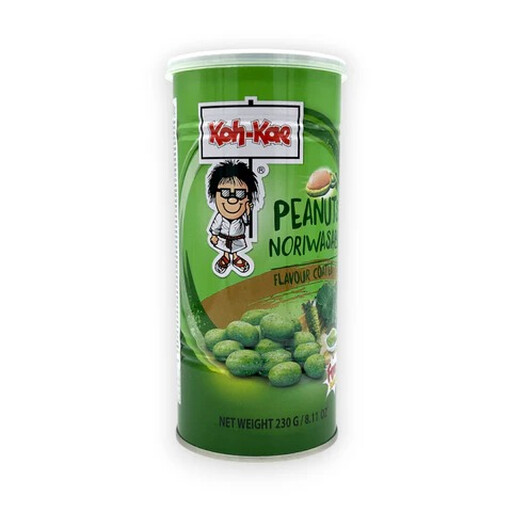
Why this suits this profile: The combination of wasabi and nori seaweed adds an exotic touch to your aperitif, offering a change from traditional salted peanuts.
The ingredients list mentions the presence of peanuts and wheat, as well as the possibility of traces of soya and nuts.
Its 230 g format contains 50% peanuts and 1% seaweed, with 1.5 g of salt per 100 g.
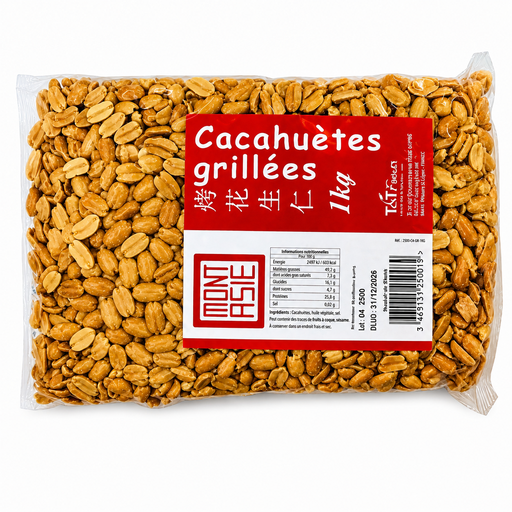
Why this suits this profile: This large format is ideal for families, clubs, offices and anyone who regularly serves snacks at aperitif time.
The 1 kg weight is clearly stated and the ingredients are just peanuts, making it easy to judge the value and composition.
An economical size, 0 g of salt stated per 100 g, and suitable for both aperitifs and cooking.
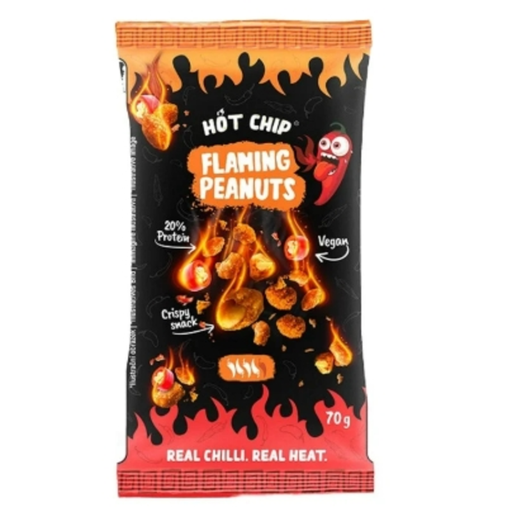
Why this suits this profile: This small bag lets you try a spicy recipe with Bird’s eye and chipotle chillies without being left with a large stock.
At 70 g, the bag limits your spend if the chilli level doesn’t suit your household’s taste after all.
The description mentions Bird’s eye and chipotle chillies, paprika and garlic; the product shows 0.8 g of salt per 100 g.
We’ve put together a full selection, updated in real time, of products that meet these exacting criteria as well as European food safety regulations.
Roasted peanuts can have a very simple ingredients list, sometimes just peanuts and salt. Coated peanuts are covered with an extra layer made from flour, starch, oil, spices or flavourings. This coating changes their texture, taste and nutritional values.
It depends on the instructions on the packaging. In any case, store the peanuts in a dry place, seal the bag carefully and eat them quickly to keep them crunchy. Some products recommend eating them within a few days of opening.
For a group, go for a 180 g to 230 g bag, or even larger. BBQ peanuts, wasabi peanuts, spicy Thai recipes and chilli versions offer plenty of variety. To keep everyone happy, serve a spicy recipe alongside some simply roasted and salted peanuts, and don’t forget to check the allergens before serving.