
Livraison le jour même ou le lendemain

Qualité garantie

Débloquez vos offres de bienvenue: Livraison GRATUITE | Jusqu'à -80 % | 30 jours d'essai gratuits à JoyPlus
Téléchargez l'application
Choosing a fence for your garden, balcony, or property can quickly become a headache. Rigid plastic fencing is often presented as a modern and practical solution, but marketing promises can sometimes hide costly flaws. Before you invest, it's crucial to know how to spot the most common pitfalls to make an informed and, above all, long-lasting choice.
Here are the 3 common mistakes that can turn a promising project into a major regret:
To avoid these pitfalls, focus on a few objective technical specifications. They are the true measure of the quality and longevity of your future plastic fence.
The type of plastic is critical. Polypropylene (PP) mesh is generally synonymous with superior quality compared to generic plastics. PP offers better rigidity and greater robustness. Some manufacturers go a step further with a "molecular orientation" process, which aligns the plastic fibres in both directions (longitudinal and transverse) to dramatically increase tensile strength.
Also, verify that it has a genuine treatment to be UV-resistant fencing. Simply adding pigment to the material is not enough; the plastic must contain stabilisers that provide deep protection against sun degradation. This is what guarantees colour fastness and long-term mechanical properties.
Don't rely solely on the thickness of the mesh. A well-designed anti-corrosion fence, even if it appears thin, can be extremely strong thanks to its structure. Tensile and tear strength are the true performance indicators. A good garden fence netting must be able to withstand moderate tension without warping and resist accidental impacts or intrusions from small animals.
Your needs define the product. For a simple balcony privacy screen, a finer mesh and a decorative look may be the priority. To define a large garden or secure a perimeter, height and rigidity become paramount. If you live in a windy or coastal region, choose a model specifically designed for these conditions, which will never rust and will withstand the elements maintenance-free.
To help you make a clear choice, we have identified products that meet distinct needs, based on their technical specifications.
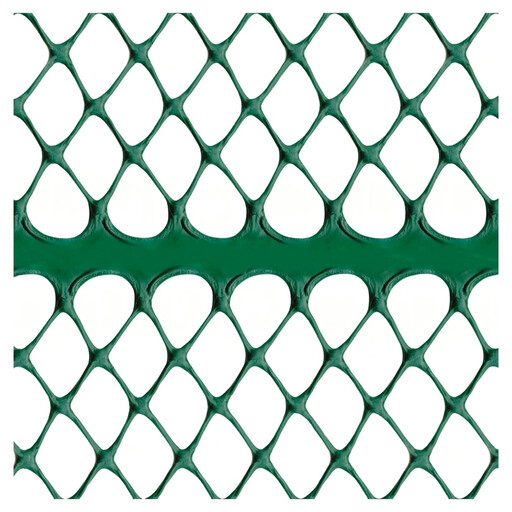
Why we love it: Perfect for defining flowerbeds or garden paths. Its compact size (0.4x5 m) and light weight make it very easy to handle for quick, aesthetic projects without requiring heavy tools.
Its purpose is clear: decoration. It doesn't pretend to be a security fence, thus avoiding the "easy to install" trap that turns out to be too flimsy. It fulfils its function without making false promises.
Ultra-simple installation: just unroll it and push its base into the ground. No maintenance is required.
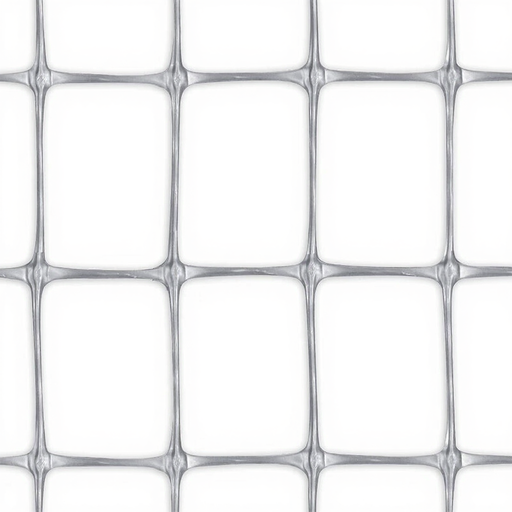
Why we love it: Designed for permanent residential fences, it is especially recommended for seaside areas. Its high-density polypropylene composition makes it impervious to salt corrosion and harsh weather.
It directly addresses the pitfalls of corrosion and UV degradation. Its spec sheet mentions resistance to salt air and UV stabilisation, which are crucial points for coastal fencing. The manufacturer also offers a 10-year warranty.
Maintenance-free durability. It won't rust or rot, and it retains its colour and structure when exposed to sun and salt.
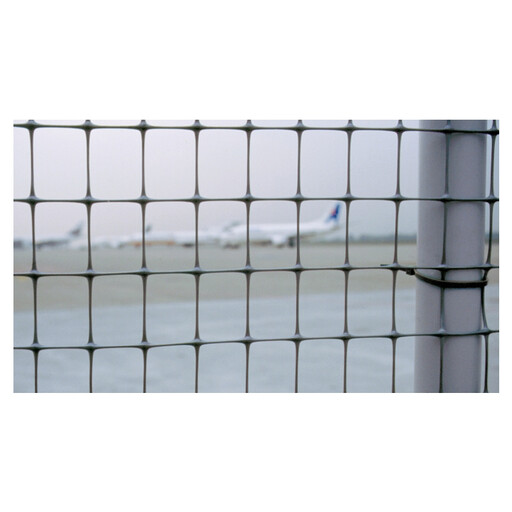
Why we love it: This large-format roll (2x50 m) is perfect for professionals or individuals with large perimeters to fence. Its composition of polypropylene mesh with molecular orientation gives it extremely high tensile and tear strength.
It overcomes the pitfall of fragility thanks to an advanced manufacturing process that gives it strength comparable to metal mesh, while remaining very lightweight. It is also non-conductive, a significant advantage near sensitive sites (e.g., radar installations, airports).
Very high mechanical strength and a long roll length, optimising installation time over long distances and reducing the need for joins.
Explore our complete selection of products that meet these quality criteria and current standards.
For a successful and long-lasting installation, follow these key steps. Attach the mesh to sturdy posts (wood, metal, or plastic) spaced at regular intervals. Unroll the fencing roll, applying just enough tension to create a flat surface without overstretching and warping it. Use suitable fasteners (like plastic zip ties or plastic-coated wire) to secure it firmly to the posts at the top, middle, and bottom. Remember to wear gloves when handling and cutting the mesh.
The longevity of a plastic fence depends primarily on the quality of its materials. An entry-level model will barely last one or two seasons. In contrast, a polypropylene mesh with a quality UV-resistant treatment and good mechanical strength can last for over 10 years, even in demanding conditions. Some manufacturers, like Tenax with its Millennium range, offer a 10-year warranty, which is an excellent testament to its quality.
Yes, for many reasons. Rigid plastic fencing offers notable advantages: it is completely rust-proof, making it the ideal solution for damp areas or coastal locations. It is also lighter and often easier to install than its metal counterpart. Finally, it requires zero maintenance (no painting or anti-rust treatments). Metal fencing still has the edge for its resistance to extreme impacts or for high-security needs. However, for standard residential use, quality plastic stands out as a very high-performance and durable alternative.