
Livraison le jour même ou le lendemain

Qualité garantie

Débloquez vos offres de bienvenue: Livraison GRATUITE | Jusqu'à -80 % | 30 jours d'essai gratuits à JoyPlus
Téléchargez l'application
Starting primary school is a big leap: the pencil is set aside for the fountain pen. For many parents, choosing the right instrument for their right-handed child quickly becomes a headache. Yet the goal is simple: to find the ideal first fountain pen—one that's comfortable, encourages a proper grip, and makes writing a pleasure, not a chore.
The problem is, the school supply aisle is a jungle of promises that aren't always kept. Before you make a decision, let's review the common pitfalls that can turn a good purchase into a source of frustration for your child.
To help you see clearly and choose a tool that will truly support your child, here are the technical features you shouldn't compromise on.
The number one criterion for a learning fountain pen is the ergonomics of its grip section. For a right-handed child, look for models with:
The nib determines how smoothly the pen writes. A low-quality nib will feel rough and catch on the paper fibres, turning every word into a struggle. For a pen to learn writing with, aim for:
A pen that is too heavy or poorly balanced will needlessly tire your child's hand. The pen should feel light yet sturdy. Balance is also crucial: the centre of gravity should be neither too high nor too low to allow for easy control of the nib without excessive effort.
Based on these criteria, we have selected models that check all the boxes for young writers. Here are our recommendations, tailored for different age groups.
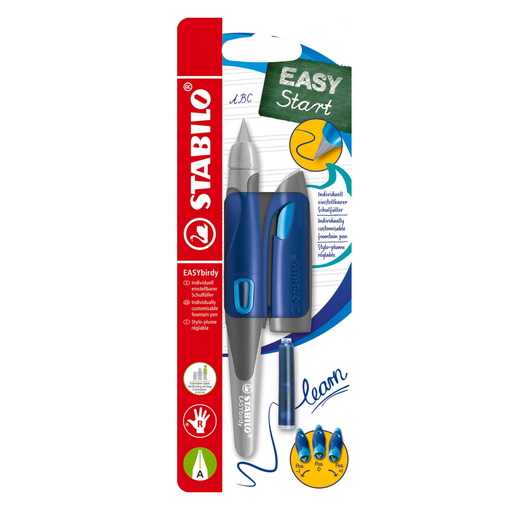
Why it's a great choice : This pen was designed from the ground up for children discovering the fountain pen. Its design is the result of research focused on their needs, making it easier to learn the correct habits from the start.
It avoids the "one-size-fits-all" trap with its non-slip, moulded grip section for right-handers. The base of the nib is hooded to prevent inky fingers, solving the problem of leaks and stains.
Its decisive advantage: its nib is adjustable to three different angles using a small included tool. This allows the pen to be adapted to each child's unique grip, ensuring a perfect glide.
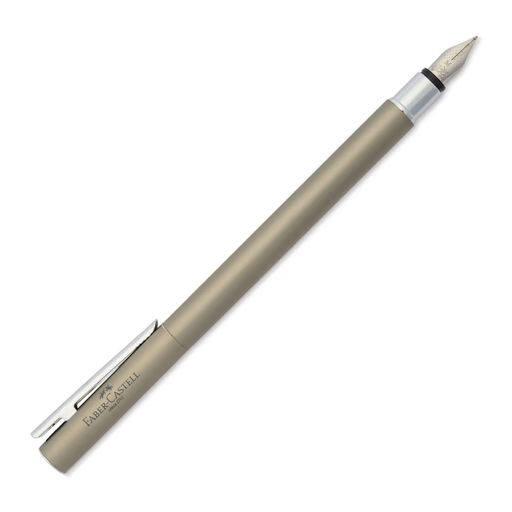
Why it's a great choice : For an older student (ages 9-10) who has already mastered their handwriting and is looking for a more understated and durable pen. Its slim, elegant design is a perfect bridge to a more "adult" writing instrument.
Its stainless steel construction is a guarantee of durability. The Faber-Castell nib, renowned for its reliability, prevents the "scratchy nib" syndrome and ensures a consistent ink flow without any unpleasant surprises.
Its slim profile and perfectly balanced weight reduce hand fatigue during long note-taking sessions. The fine (F) nib delivers precise, clean writing, ideal for assignments that require neatness.
We have compiled a comprehensive list of products that meet our strict selection criteria and safety standards.
It's very simple. Unscrew the body of the pen to access the cartridge. Gently pull out the empty cartridge. Insert the new one (small end first) and press it in firmly until you feel a small 'click'. Screw everything back together. You may need to scribble for a few seconds for the ink to start flowing down to the nib.
An ergonomic fountain pen for right-handers won't magically transform your child's handwriting. Its role is different, but fundamental: it guides finger placement and reduces muscle strain. By ensuring a correct and effortless grip, it creates the ideal environment for the child to focus on forming letters and, over time, develop smoother, less tiring handwriting.
In many school systems, the switch to a fountain pen typically happens in first or second grade, around age 6 or 7. The exact timing depends on the teacher and the child's fine motor skill development. The most important thing is that the child has already mastered holding a pencil before moving on to a fountain pen, which requires a more precise movement.