
Livraison le jour même ou le lendemain

Qualité garantie

Débloquez vos offres de bienvenue: Livraison GRATUITE | Jusqu'à -80 % | 30 jours d'essai gratuits à JoyPlus
Téléchargez l'application
Standing in the Asian condiment aisle can be overwhelming. White rice vinegar, black, for sushi... It's hard to know where to start. Which bottle should you choose for perfect sushi rice? Which one is best for an Asian vinaigrette or a wok marinade?
As a product expert at Joybuy, my mission is to help you make sense of it all. This guide demystifies the different types of rice vinegar to help you choose the one you need—no jargon, no fuss.
To make the right choice, here are the key points to check before you buy.
This is THE crucial point.
The vinegar's colour says a lot about its flavour.
The acidity, often specified on the label (e.g., Total acidity ≥ 5.5 g/100 ml), determines the vinegar's "bite." The higher the level, the more character the vinegar will have. A lower level will yield a milder result. It's all a matter of taste!
Let's move on to our selection, featuring products chosen for specific uses.
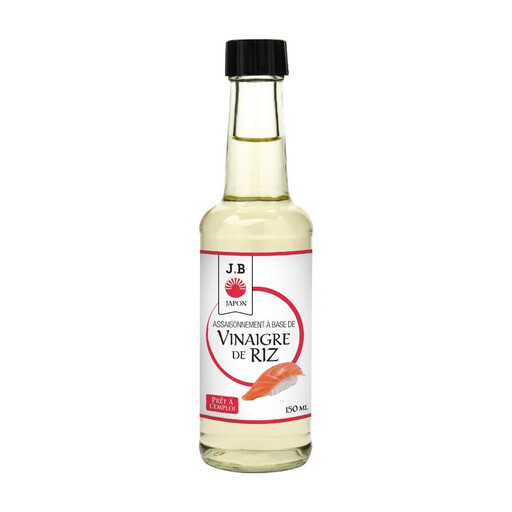
Its key feature: This is the effortless solution (in the best way!) for seasoning your sushi rice. Its perfectly balanced blend saves you from any complicated guesswork.
Benefits:
Who is it for? For anyone who makes sushi or maki at home and wants a flawless result without the fuss.
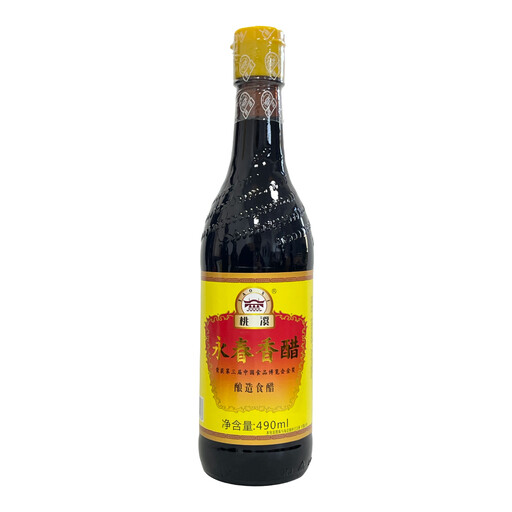
Its key feature: An ultra-versatile, plain rice vinegar made from a traditional brewing process. Its distinct acidity (Total acidity ≥ 5.5 g/100 ml) makes it a reliable base for all your culinary creations.
Benefits:
Who is it for? For cooks who love to control their seasonings from start to finish and are looking for a do-it-all base vinegar.
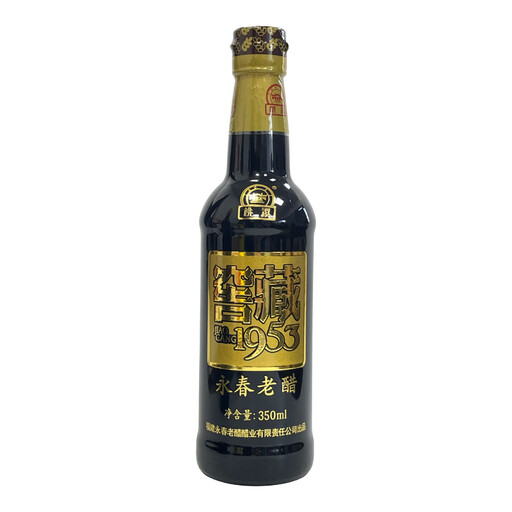
Its key feature: An authentic Chinese black vinegar with a rich and complex aromatic profile, thanks to a blend of glutinous rice, red yeast rice, and a hint of sesame.
Benefits:
Who is it for? For Chinese cuisine enthusiasts and flavour explorers seeking bolder, more authentic tastes.
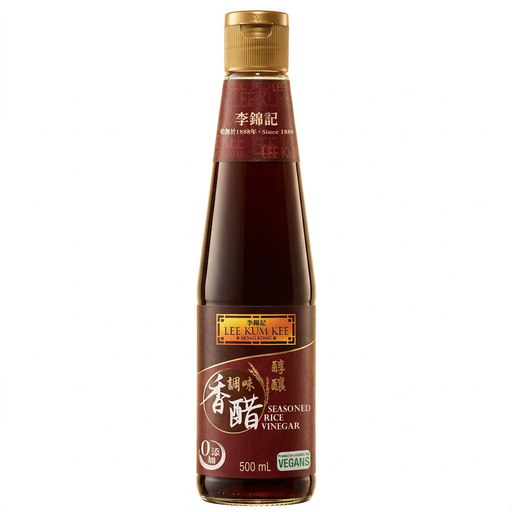
Its key feature: What makes this seasoned vinegar special? Its Zhenjiang vinegar base, which gives it a malty flavour, mild acidity, and a distinct sweet note.
Benefits:
Who is it for? For fans of bold sweet-and-sour flavours looking for a ready-to-use Asian seasoning to instantly boost their dishes.
Our selection is just a glimpse of the possibilities that rice vinegar offers. The world of Asian condiments is a vast and nuanced playground. To discover other gems, like fruit vinegars or more original blends, feel free to explore our full range.
? Discover our full range of seasoned vinegars for more inspiration.
1. What is the difference between rice vinegar and seasoned rice vinegar? Rice vinegar (or "plain" vinegar) is a raw product: just fermented rice and water. Seasoned rice vinegar, on the other hand, is a ready-to-use blend that already contains sugar and salt, specifically designed for sushi rice.
2. Can you use any rice vinegar for sushi? In theory, yes. You can absolutely use a plain rice vinegar and add sugar and salt yourself (by gently heating the mixture to dissolve everything). But let's be honest: using a ready-made sushi vinegar is much simpler and guarantees a perfect result, especially when you're just starting out.
3. How should you store rice vinegar? Rice vinegar has a very long shelf life. It's best to store it in a cupboard, away from heat and light. Once the bottle is opened, it's best to keep it in the refrigerator to preserve all its aromas, as most manufacturers recommend.