
Livraison le jour même ou le lendemain

Qualité garantie

Débloquez vos offres de bienvenue: Livraison GRATUITE | Jusqu'à -80 % | 30 jours d'essai gratuits à JoyPlus
Téléchargez l'application
Rice vinegar offers a gentler acidity than wine vinegar or spirit vinegar. It is used to season sushi rice, prepare sauces, add flavour to salads, make marinades and enhance many Chinese and Japanese recipes. However, not every bottle is suited to the same use.
Before placing your order, three common mistakes are worth avoiding :
Ready-to-use sushi rice vinegar already contains sugar and salt. You generally just need to pour it over the rice while it is still warm, then mix gently. It is the easiest option if you are just starting out and want to save time.
Plain rice vinegar provides a neutral base that you can adjust to suit the recipe. Sugar, salt, soy sauce or oil : you can measure each ingredient exactly as you wish. This makes it more versatile for marinades, sauces and dressings.
Start by checking the first ingredients listed : the sole mention of “rice vinegar” indicates a simple base, while the presence of sugar and salt generally means it is a seasoned sushi vinegar.
Acidity may be shown as a percentage or in degrees. For example, OTAFUKU Pure Rice Vinegar has an acidity of 4,5 %, compared with 4,2 % for Uchibori Grain Vinegar. These figures provide a useful point of comparison, but they do not tell you everything about the flavour profile.
Glutinous rice vinegar is very common in Chinese cuisine. It often offers a rounder acidity with a hint of sweetness. Black rice vinegar, which is darker and generally more aromatic, is better suited to sauces, dumplings, braised dishes and marinades. It is less suitable for sushi rice, as it would alter its colour.
For everyday use, remember to compare :
Claims such as “additive-free” or “naturally fermented” should be checked against the actual ingredients. Amoy rice vinegar, for example, is presented as being made from 100 % rice vinegar, while some sushi preparations combine several ingredients to provide a perfectly balanced seasoning.
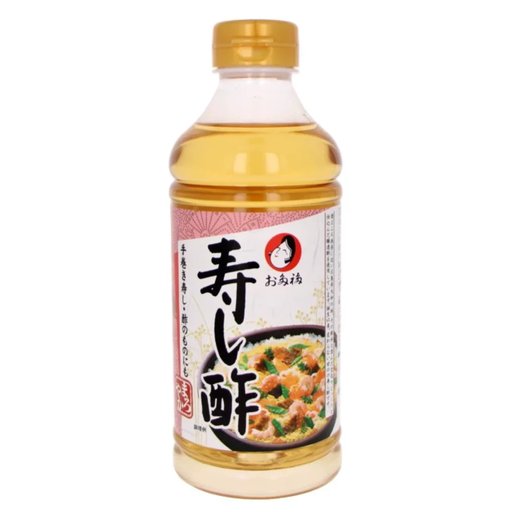
Why this product suits this profile : At 500 ml, this vinegar is easy to measure when making maki or dressing salads at home. Its recipe combines rice vinegar, sugar and salt, with no declared allergens.
The explicit mention of rice, salads and vegetables reduces the risk of choosing a vinegar that is too strong or unsuitable for sushi.
Japanese origin, a 500 ml PET bottle and a seasoning that is ready to use. However, the ingredients do include flavour enhancers.
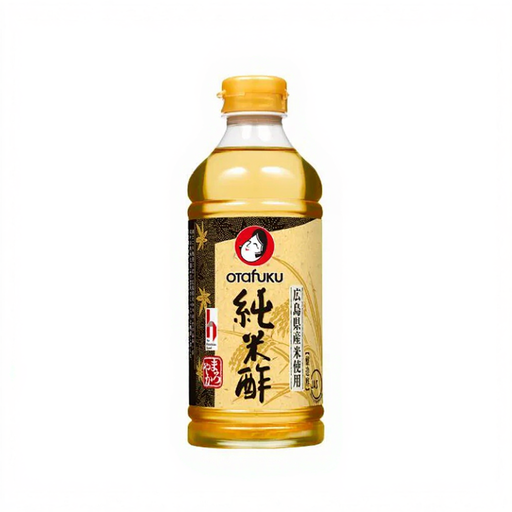
Why this product suits this profile : Its plain recipe gives you complete freedom to adjust the seasoning of rice, teriyaki sauce or a Japanese dressing.
This is not a ready-to-use sweetened seasoning : the label clearly identifies it as rice vinegar to be measured according to the recipe.
Japanese product, acidity listed at 4,5 % and no declared allergens. It is suitable for sauces, marinades, salads and Japanese dishes.
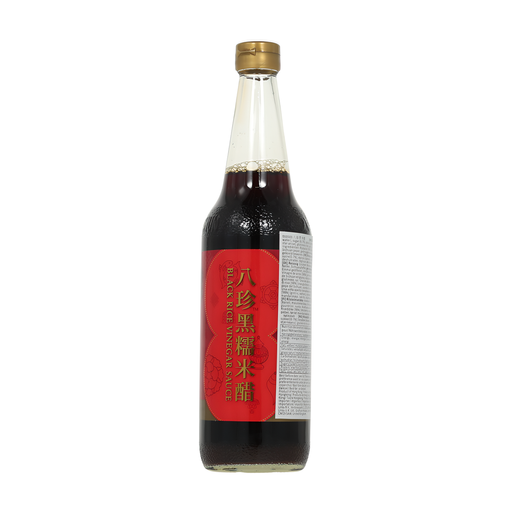
Why this product suits this profile : Its amber colour and spices make it ideal for sauces, braised dishes, marinades and pickled vegetables rather than seasoning sushi rice.
The description details its ingredients, including the spices and E150a colouring : you know that this is a flavoured vinegar, not a neutral white vinegar.
Its 600 ml format contains 97 % glutinous rice vinegar, as well as cinnamon, cloves, Sichuan pepper and star anise.
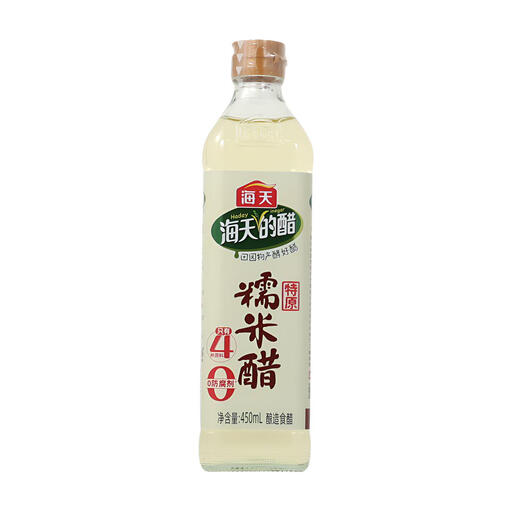
Why this product suits this profile : This Chinese glutinous rice vinegar is suitable for dumpling sauces, salads, marinades, stir-fries and many everyday dishes.
The listed ingredients are limited to water, glutinous rice, salt and sugar, with an “allergen-free” claim that should still be checked on the packaging.
This vinegar contains 11 % glutinous rice, comes in a 450 ml bottle and can be used directly as an accompaniment or seasoning.
We have brought together a complete, real-time updated selection of products that meet these demanding criteria and European food safety standards.
To prepare sushi rice, use sushi vinegar and follow the proportions shown on the label. With plain vinegar, gradually add the sugar and salt, then taste before adding more. The rice should remain slightly glossy and fragrant without becoming soggy.
For a salad or marinade, start with a small amount and adjust gradually. Chinese or black vinegar pairs particularly well with cucumber, dumplings, braised pork and pickled vegetables. Mixed with oil, ginger, soy sauce or chilli, it becomes an especially versatile Asian seasoning.
After opening, seal the bottle carefully and follow the manufacturer’s instructions. Some vinegars can be stored in a cool, dry cupboard, while others need to be refrigerated.
Yes, provided you preferably choose a plain Japanese vinegar or seasoned sushi vinegar. Black or highly aromatic vinegar may alter the colour and flavour of the rice.
Japanese vinegar is often used for sushi and dishes with delicate flavours. Chinese vinegar, particularly when made from glutinous rice, is better suited to sauces, marinades, stir-fries and sweet-and-sour dishes. In all cases, check the ingredients and acidity level of the bottle you choose.
It depends on the product. Check the label, keep the bottle away from heat and light, and refrigerate it after opening when instructed to do so. A 250 to 360 ml format is suitable for occasional use, while a bottle of 500 ml or more is better suited to regular cooking.