Rice vermicelli is a staple of Asian cuisine, but with so many options on the shelf, it can be hard to know where to start. Thin, thick, made from white rice, brown rice, or even mung beans... which type should you choose for an authentic bò bún, a comforting phở, or a refreshing salad?
This guide is here to help you make sense of it all. As a product selection expert at Joybuy, my mission is to give you simple, practical tips for choosing the perfect vermicelli for your dishes, without the marketing jargon.
How to Choose the Right Asian Vermicelli
Before we get to our top picks, here are the key criteria to consider.
1. The Main Ingredient: Rice or Mung Bean?
The first thing to check is the base ingredient, as it determines the noodle's texture and final use.
- Rice Vermicelli: Made from rice flour and water, these noodles are white, opaque, and have a soft, pliable texture after cooking. Their greatest strength is how beautifully they soak up the flavours of broths and sauces. Naturally gluten-free, they are perfect for soups (phở), spring rolls, and salads like the famous bò bún. They are often sold under the name Vietnamese vermicelli.
- Mung Bean Vermicelli: Also known as glass noodles, these are made from mung bean starch. Translucent and more elastic after cooking, they offer a chewier bite. They are particularly well-suited for stir-fries, clear soups, and certain Korean salads (japchae).
2. Thickness: A Matter of Balance
The thickness of the vermicelli is more than just a detail; it's crucial for the harmony of the dish.
- Thin (bún-style): Ideal for light salads and soups where they shouldn't overpower the other ingredients. This is the classic choice for a bò bún recipe.
- Medium to Thick: More robust, these hold their shape better during cooking, making them perfect for wok stir-fries or hearty soups where they won't fall apart.
3. The Type: Classic, Whole Grain, or Instant?
The choice also depends on your cooking habits and how much time you have.
- Classic: The most common version, requiring a soak and/or a short cooking time.
- Whole Grain: Made from brown rice, they provide more fibre and a subtle nutty flavour. An excellent option for a more nutrient-rich meal.
- Instant: Pre-cooked and often packaged with a seasoning packet, they are ready in minutes. The perfect easy solution for a meal on the go.
Our Top Vermicelli Picks
Whether you're a purist of traditional cuisine or looking for a quick and healthy option, here are our favourite products.
J.B JAPON Whole Grain Rice Vermicelli 250 g
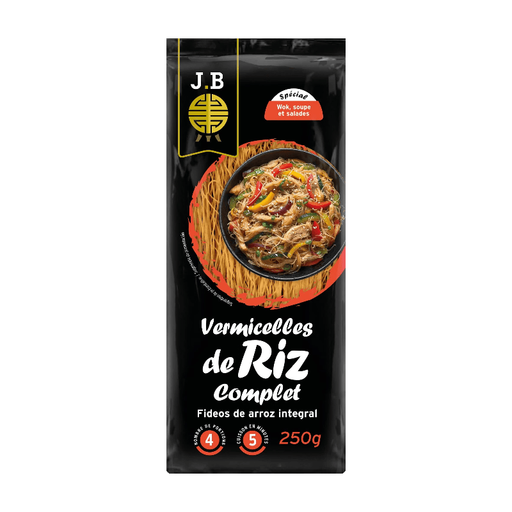
- Key Feature: These vermicelli stand out for their incredibly simple and healthy ingredients: 100% whole grain rice. They offer a nutritious alternative to white rice vermicelli, with a higher fibre content.
- Benefits:
- Rich in fibre.
- Naturally gluten-free.
- Cooks quickly in 5 minutes.
- Fine and delicate texture.
- Best For: Health-conscious individuals looking for a wholesome base for their Asian dishes without compromising on taste.
Sunlee Vietnamese Rice Vermicelli 250g
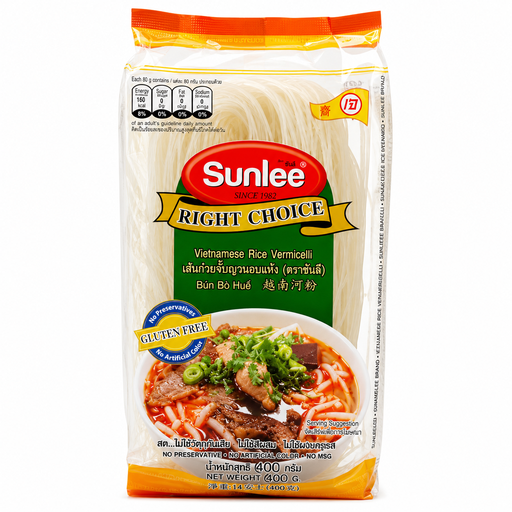
- Key Feature: The benchmark for achieving the authentic taste and texture of Vietnamese dishes. Their fine texture makes them particularly suitable for traditional recipes.
- Benefits:
- Fine, delicate texture, perfect for soups and salads.
- Neutral taste that absorbs flavours well.
- Simple and quick to cook.
- Basic ingredients: rice and water.
- Best For: The go-to choice for fans of Vietnamese cuisine who want to prepare an authentic bò bún recipe or phở.
Double Phoenix PREMIUM Mung Bean Vermicelli 300 g
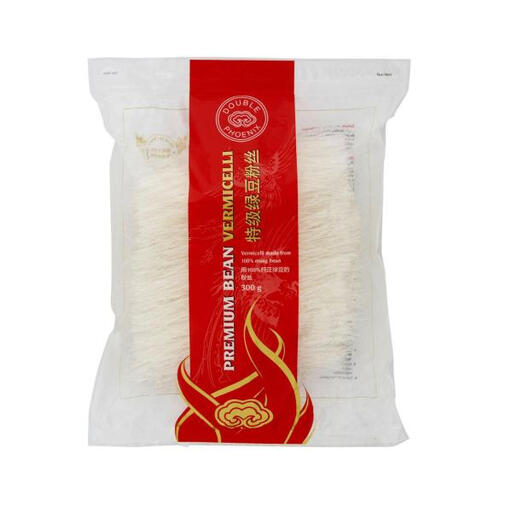
- Key Feature: Here we're talking about true glass noodles, made from 100% mung bean starch. Their translucent and pleasantly elastic texture makes them a premium ingredient.
- Benefits:
- Unique texture that is both firm and elastic.
- Becomes translucent when cooked.
- Highly versatile: excellent in salads, soups, wok stir-fries, or even deep-fried for a crispy garnish.
- Single ingredient: mung bean starch.
- Best For: Those who want to explore something new, try a different texture, and incorporate it into their stir-fries or cold Asian salads.
MAMA Instant Rice Vermicelli, Oriental Flavour, 55g
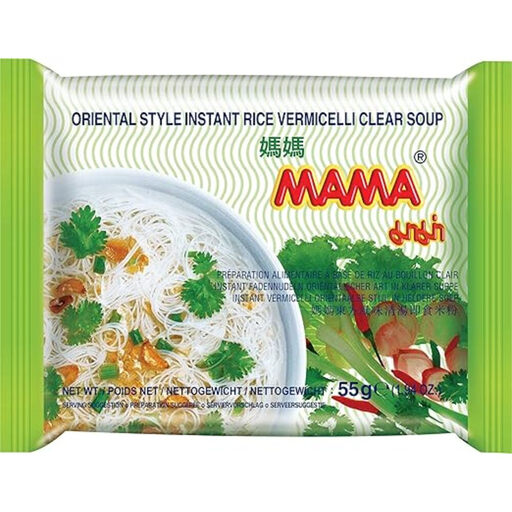
- Key Feature: The ultimate express solution. These instant vermicelli come with seasoning and oil packets for a complete and flavourful meal, ready in just 3 minutes.
- Benefits:
- Ultra-fast preparation.
- Convenient single-serving size.
- Seasoning included for an authentic oriental taste.
- Ideal for a quick lunch on the go.
- Best For: Perfect for students, people in a hurry, or as a delicious and effortless backup meal.
Want to Explore Other Options?
This selection is just a taste. Every dish has its ideal vermicelli, and every cook has their preference! To discover a wider range of thicknesses, brands, and formats, take a look at our full department.
️ Explore our full range of noodles and vermicelli
Frequently Asked Questions (FAQ)
What's the difference between rice vermicelli and mung bean vermicelli?
It's all about the ingredient, which defines the texture. Rice vermicelli is made from rice flour, making it opaque and soft. Mung bean vermicelli (or glass noodles) is made from mung bean starch, which becomes translucent and has a chewier, more elastic texture. The former is a cornerstone of Vietnamese cuisine (bò bún, phở), while the latter shines in stir-fries and certain salads.
How do you cook rice vermicelli perfectly?
The trick, especially for the thinnest noodles, is not to boil them. Soak them in a large bowl of very hot (not boiling) water for 5 to 10 minutes, until they are tender. For a salad, drain and rinse them under cold water to stop the cooking process. For a soup, you can add them directly to the hot broth a few minutes before serving. In any case, follow the package instructions, as cooking times can vary between brands.
Is rice vermicelli always gluten-free?
Yes, in theory. Rice vermicelli is made from rice flour and water, two naturally gluten-free ingredients. It's an excellent alternative to wheat pasta for those with celiac disease or gluten intolerance. However, if you are on a strict gluten-free diet, always check the packaging to rule out any risk of cross-contamination at the factory.


