
Livraison le jour même ou le lendemain

Qualité garantie

Débloquez vos offres de bienvenue: Livraison GRATUITE | Jusqu'à -80 % | 30 jours d'essai gratuits à JoyPlus
Téléchargez l'application
There's nothing like crispy homemade fried spring rolls (nems) or fresh spring rolls, but when it comes to choosing the main ingredient, the adventure can quickly become a headache. In the supermarket aisle, terms like "?rice paper?", "?rice wrapper?", or even "?spring roll pastry?" all compete for your attention, sowing confusion. Are they interchangeable?? Which one is right for your recipe??
As a product expert at Joybuy, my mission is simple?: to help you see things more clearly. This guide will demystify the different wrappers used in Asian cuisine and point you toward the perfect product, whether you're a deep-frying pro or a fan of all things fresh.
Before we dive into our selection, here are the key points to check so you never make a mistake in the aisle again.
This is THE fundamental difference. Although they are often found in the same aisle, their composition and use are completely different.
The verdict is simple: for fresh rolls, use rice paper. For frying, use spring roll pastry. That's the golden rule.
Rice papers come in several diameters, most often from 16 to 28?cm.
For rice paper, the proportion of tapioca is a true mark of quality. The addition of tapioca flour gives the wrapper its elasticity and transparency after rehydration. In practical terms, a wrapper rich in tapioca will be much less fragile and won't tear during rolling. A real bonus, especially when you're just starting out?!
To move from theory to practice, here are our top product picks, each tailored to a specific need.
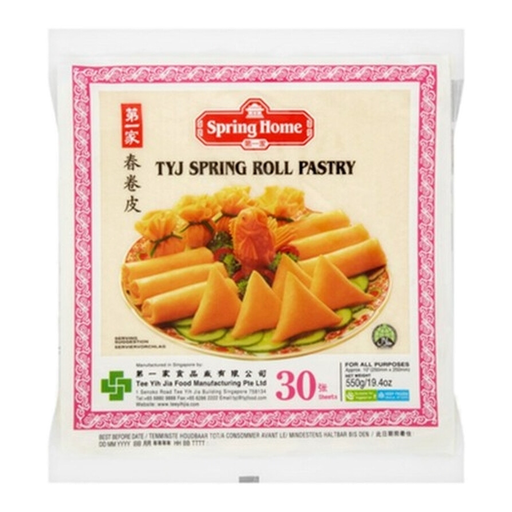
Why we chose it?: This is THE benchmark pastry for achieving restaurant-quality crispy fried spring rolls. Its wheat-based composition is specially designed for deep-frying: it turns golden brown without soaking up oil, for a result that is both crispy and light.
Its strengths?:
Who is it for?? For all fans of fried spring rolls, samosas, and other fried delicacies who want to replicate that authentic restaurant crunch, which is impossible to get with simple rice paper.
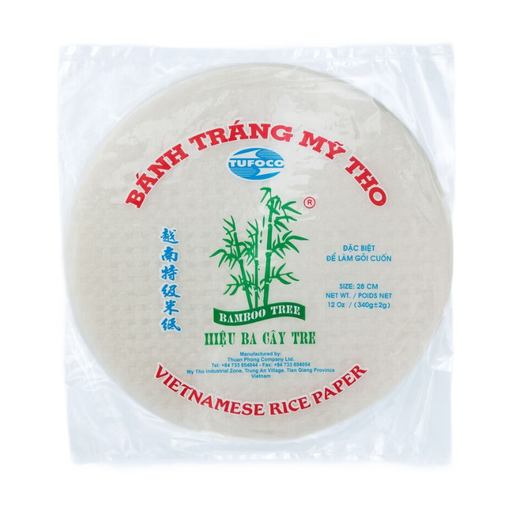
Why we chose it?: Made in Vietnam, this is the reliable choice for preparing true fresh spring rolls (G?i cu?n). Its large 28?cm diameter is perfect for rolling a rich and colourful filling without struggling with the wrapper.
Its strengths?:
Who is it for?? For purists of the traditional, generously filled spring roll. It's also the ideal choice for a healthy, light, and gluten-free meal.
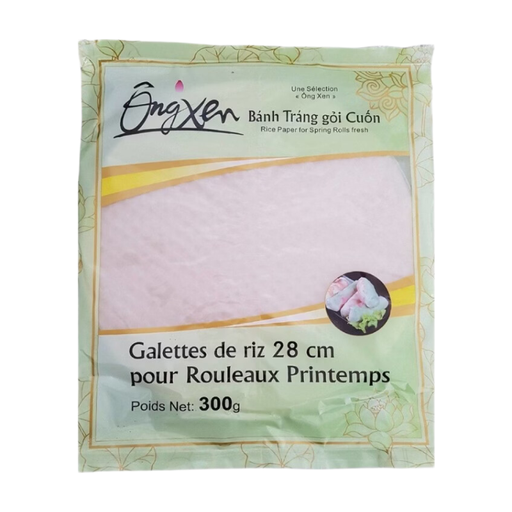
Why we chose it?: Its secret?? A record-high tapioca content (76?%). This magic ingredient gives it stunning elasticity, making it virtually tear-proof and therefore ultra-easy to handle.
Its strengths?:
Who is it for?? For everyone, from beginners to experts, who wants to be done with wrappers that tear at the crucial moment of rolling. The guarantee of a flawless result, stress-free.
Our guide focuses on the essentials for fried and fresh spring rolls, but the Asian grocery section is a continent of flavours to explore. To discover other formats, wrappers for dumplings, gyozas, or other specialities, browse our complete department.
? Discover Our Full Range of Asian Pastries
The secret is quick hydration. Fill a large dish with lukewarm water (not hot?!). Dip a single sheet for 5 to 10 seconds, just long enough for it to soften but remain slightly firm to the touch. Then, lay it flat on a clean, damp tea towel. It will continue to soften while you add the filling. The classic mistake is to let it soak for too long: it becomes sticky and impossible to handle.
Yes, traditional rice paper (made from rice and tapioca) is 100?% gluten-free. It's an excellent ally for people with celiac disease or gluten intolerance. But watch out for the trap?! Don't confuse it with spring roll pastry (or Asian wheat-based wrappers), which is made from wheat flour and therefore contains gluten. The key is to always check the ingredients list on the package.
Yes, it's technically possible. The result will be very different from what you get with a spring roll pastry: the rice paper will form small bubbles, becoming very crispy but also more brittle. To get the golden crunch and characteristic chew of takeout fried spring rolls, a wheat-based pastry (like the Spring Home TYJ) remains absolutely essential.