
Livraison le jour même ou le lendemain

Qualité garantie

Débloquez vos offres de bienvenue: Livraison GRATUITE | Jusqu'à -80 % | 30 jours d'essai gratuits à JoyPlus
Téléchargez l'application
Craving fresh, delicious homemade spring rolls? You can almost taste those fragrant bites, a true classic of Vietnamese cuisine. The problem is, once you get to the supermarket, the rice paper aisle can be surprisingly confusing. Round, square, thin, thick, made from white or brown rice… How do you make the right choice?
Don't worry, this guide is here to walk you through it. Whether you're a complete beginner in Asian cooking or a pro at homemade g?i cu?n, we'll help you find the ideal rice paper wrapper for your recipes.
For foolproof spring rolls, the choice of rice paper is a detail that makes all the difference. Here are the key factors to consider before you buy.
The texture of your spring roll is directly linked to the wrapper's composition.
Good to know?: all traditional rice paper wrappers are naturally gluten-free, making them a perfect option for specific dietary needs.
The size of the Vietnamese rice paper directly influences the size of your rolls and how much filling you can pack inside.
A good rice paper wrapper should become pliable after soaking, without turning into a sticky, fragile mess. Quality products hydrate evenly and maintain their integrity, which makes filling and rolling much easier.
To help you make an informed choice, here is our selection of three top picks that caught our eye.
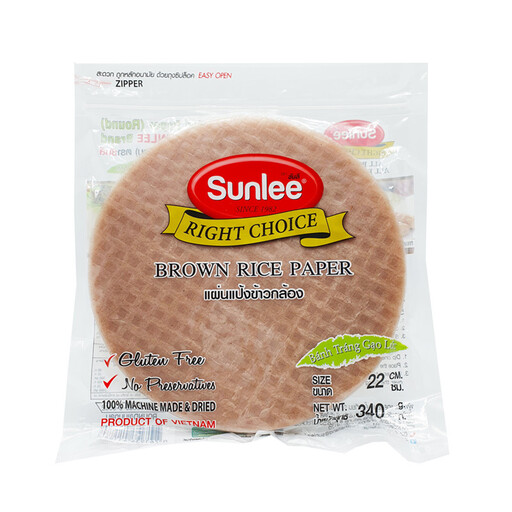
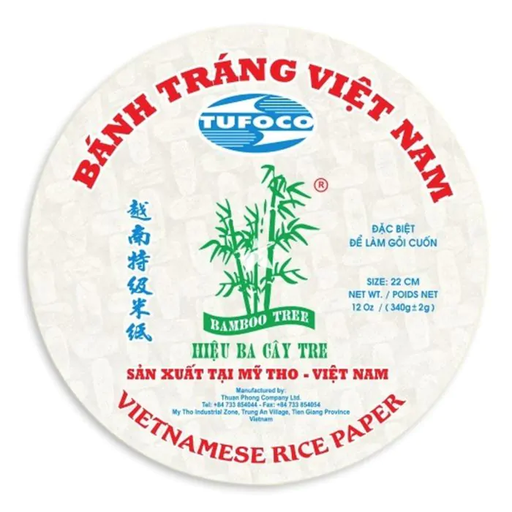
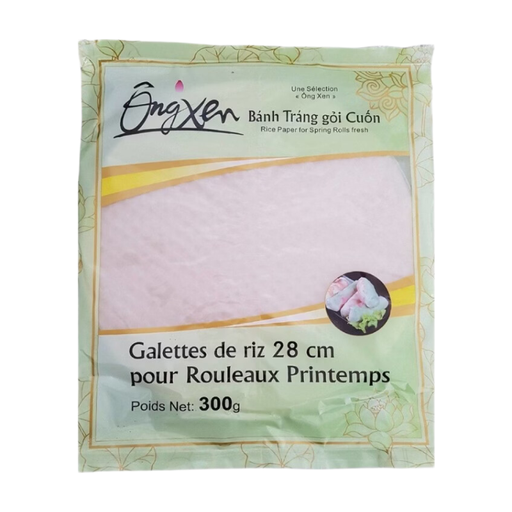
Asian cuisine is an endless source of inspiration. For more variety, whether you're making savoury dishes or trying your hand at original dessert rolls, browse our selection of baking and cooking ingredients.
The secret? Use lukewarm water, never boiling. Submerge the sheet completely for a few seconds (usually 10 to 15), until it becomes pliable. Then, lay it flat on a clean, damp work surface (like a plate or a lightly wetted rolling board) to prevent it from sticking.
Yes, but with a few precautions to prevent them from drying out or sticking together. The trick?: wrap them individually in cling film or space them out on a plate covered with a damp cloth. They'll keep for a few hours in the refrigerator. However, they are always best enjoyed immediately after preparation!
Absolutely. Traditional rice paper is made from rice flour, tapioca starch, water, and salt. These ingredients are naturally gluten-free, making it an ideal option for people with celiac disease or gluten intolerance. As a precaution, always check the packaging to rule out any risk of cross-contamination if you are especially sensitive.