
Livraison le jour même ou le lendemain

Qualité garantie

Débloquez vos offres de bienvenue: Livraison GRATUITE | Jusqu'à -80 % | 30 jours d'essai gratuits à JoyPlus
Téléchargez l'application
Dreaming of a homemade Pad Thai as delicious as you'd find in Bangkok, or a bowl of Ph? as comforting as one in Hanoi? The secret to a successful dish often comes down to a single ingredient. And when it comes to rice noodles, the sheer variety of choices can quickly become overwhelming. Thin, medium, wide… how do you know which to pick?
This guide is here to help you navigate the world of Asian noodles and choose the ideal rice noodles for every recipe. We'll break down the differences so you can make the right choice in the aisle, whether you're a seasoned chef or simply looking for a gluten-free rice noodle option.
Before we get to our selection, here are a few key points to guide you. The choice depends primarily on the dish you have in mind.
The width of the noodles, indicated in millimetres (mm), plays a crucial role in the final texture and their ability to soak up sauce or broth.
The recipe for true rice noodles is deceptively simple: rice flour and water, that's it. This minimalist composition makes them an excellent, naturally gluten-free option suitable for many dietary needs. Always glance at the packaging to ensure no unwanted ingredients have slipped into the list.
Good news: most dried rice noodles only require a brief soak in hot water before joining your dish. This step is enough to rehydrate and soften them. Be sure to read the instructions on the package: some varieties require a short boil in water, while others are ready to be added to a broth or wok right after soaking.
To get you on the right track, here are our favourite products, each suited for a specific use.
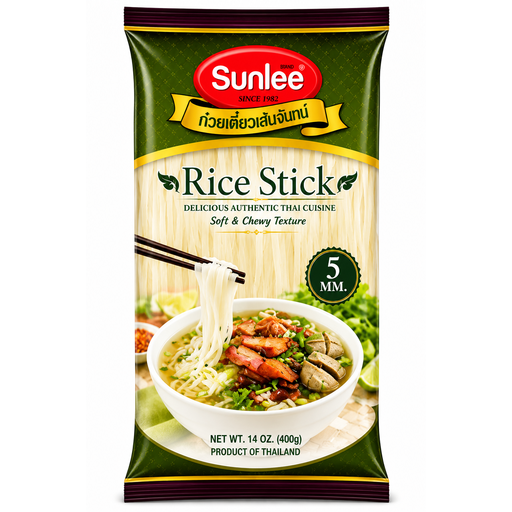
Why we love them: With their 5 mm width, these Sunlee rice sticks are the go-to choice for a multitude of iconic dishes. Their texture holds up perfectly during cooking, whether in a wok for a Pad Thai or in a fragrant broth for Ph?.
The pros:
Who is it for?: For lovers of Thai and Vietnamese cuisine looking for the ultimate reliable, all-purpose noodle to perfect their favourite recipes at home.
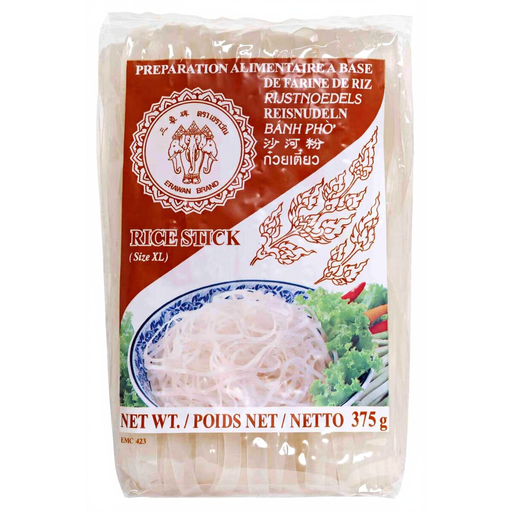
Why we love them: These wide 10 mm noodles are made for hearty stir-fries. Their large surface area coats beautifully with sauce, providing a pleasant chew and a rich flavour experience.
The pros:
Who is it for?: For those who love generous, saucy noodle dishes and are looking for a more substantial and satisfying texture.
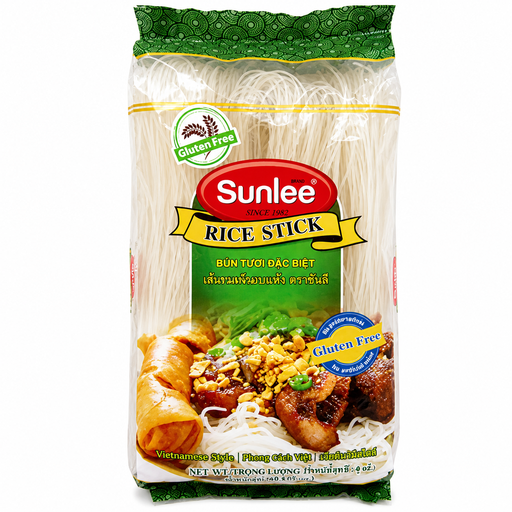
Why we love them: The fineness of these 1.2 mm noodles is typical of Vietnamese cuisine. They are perfect for melting into a Ph? broth without weighing it down, or for serving as a delicate base for a vermicelli salad.
The pros:
Who is it for?: For enthusiasts of Vietnamese cuisine who want to prepare authentic Ph?, bún (vermicelli salads), or spring rolls.
Our selection covers the major classics, but the world of rice noodles is much vaster. If you have a specific recipe in mind or are simply curious to explore other formats and brands, feel free to browse our complete category.
Discover the Full Range of Rice Sticks
Both are made with rice flour and water. The main difference lies in their shape and thickness. The term "vermicelli" refers to the thinnest, almost thread-like noodles, while "rice noodles" or "rice sticks" are flat and come in various widths (thin, medium, wide).
In theory, yes. Since traditional rice noodles contain only rice and water, they are indeed naturally gluten-free rice noodles. However, as a precaution, always check the ingredient list on the packaging to rule out any risk of cross-contamination or additives containing gluten, especially if you have a severe intolerance.
The age-old problem of sticky noodles! Here's a simple trick: after cooking or soaking your noodles, drain them thoroughly and immediately rinse them under cold water. This simple step stops the cooking process and removes the excess surface starch, which is the main culprit for stickiness. If you aren't using them right away, toss them with a drizzle of neutral oil (like sesame or sunflower) to prevent them from clumping together.
By Joy, your product recommendation expert at Joybuy.