
Livraison le jour même ou le lendemain

Qualité garantie

Débloquez vos offres de bienvenue: Livraison GRATUITE | Jusqu'à -80 % | 30 jours d'essai gratuits à JoyPlus
Téléchargez l'application
Rice noodles are a cornerstone of Asian cuisine, prized for their versatility and unique texture. Whether you're dreaming of a comforting Pho, a flavorful Pad Thai, or a fresh salad, choosing the right noodles is essential. However, when faced with the aisles of an Asian supermarket (or even your local grocery store), the selection is so vast that it's easy to get lost and end up with a disappointing product. This guide is here to equip you with the right knowledge and help you decode the labels.
Before you check out, keep these three common pitfalls in mind that can ruin your dish.
To avoid buying blind, two key points will make all the difference on your plate.
Thickness isn't a minor detail; it's THE key factor that dictates which dish your noodle is made for. Here's a quick memo to help you navigate:
Checking the ingredient list should become second nature.
To put theory into practice, here are a few products that tick all the boxes for different needs.
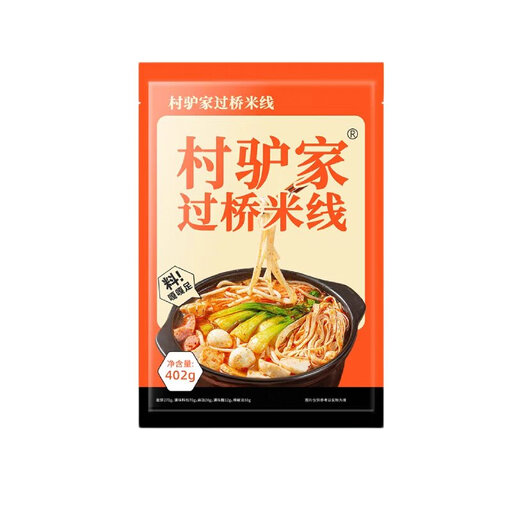
The Profile: Perfect for students or professionals who want a genuinely good meal but only have 5 minutes to spare. This complete kit promises a restaurant-worthy meal, ready in a flash.
Here, "instant" truly means instant: just add boiling water, and it's ready. No more misleading labels. With all the seasonings included, you get a flavor-packed dish that's light-years away from sad, generic packet soups.
An all-in-one kit that gets everything right: rich bone broth, vegetables, chili oil, vinegar... An authentic Yunnan flavor, without any hassle.
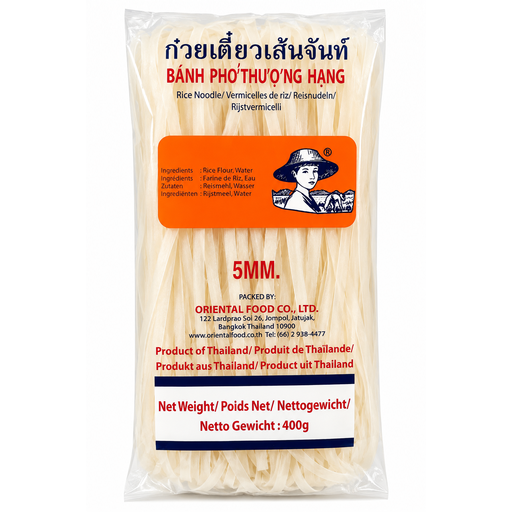
The Profile: For those who swear by homemade Pad Thai and stir-fries that can hold their own, this 5 mm size is THE benchmark for achieving that perfect chew and structure.
With a thickness of 5 mm, there's no risk of falling into the trap of thin noodles that turn to mush in the wok. Their minimalist composition (rice flour, water) ensures a neutral taste, letting your sauce be the star.
A firm, wide texture designed to withstand the heat of the wok and soak up sauce without ever breaking. The Thai origin is the cherry on top for maximum authenticity.
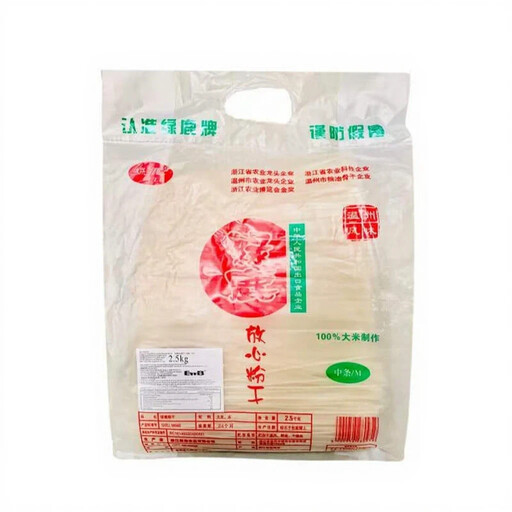
The Profile: The 2.5 kg format is the smart, budget-friendly solution for restaurateurs, caterers, or simply large families and avid noodle eaters.
Buying in bulk can be risky if the product is too specific. Here, this fine vermicelli is a true multi-purpose ingredient (soups, salads, light stir-fries), ensuring it won't be left unused in the back of the pantry. Its clean composition (rice, water) makes it a healthy and reliable base.
Unbeatable value for money for a staple ingredient. Its fine texture and consistent cooking performance are a major asset for guaranteeing reliable results, whether in a professional kitchen or for feeding the whole family.
Discover our full selection of products that meet our quality criteria and current standards.
Yes, it's actually recommended in most cases. For cold dishes (salads) or stir-fries (Pad Thai), rinsing with cold water immediately after cooking stops the cooking process, prevents the noodles from clumping into a solid block, and removes excess starch. However, for soups, do not rinse them! Add them directly to the broth: the starch they release will help to slightly thicken the soup.
In theory, yes. Noodles made solely from rice flour and water are naturally gluten-free. But caution is advised: always read the label. Some manufacturers add gluten-containing ingredients or produce in facilities where wheat flour is present, creating a risk of cross-contamination. If you have celiac disease or are highly sensitive, don't take any chances: look for the official "gluten-free" logo on the packaging.
To keep them fresh, transfer the remaining dry noodles to an airtight container. Store the container in a cool, dry place, away from light and moisture (a kitchen pantry is perfect). This will prevent them from becoming brittle or absorbing odours from other foods.