
Livraison le jour même ou le lendemain

Qualité garantie

Débloquez vos offres de bienvenue: Livraison GRATUITE | Jusqu'à -80 % | 30 jours d'essai gratuits à JoyPlus
Téléchargez l'application
A cornerstone of Asian cuisine, rice noodles are the key to a successful dish. But between a flavourful Pad Thai and a comforting Ph? soup, how do you navigate the options? Choosing the right package often turns into a headache. The texture, how they hold up during cooking... every detail is crucial. Unfortunately, many home cooks fall into traps that can sabotage a recipe before they even turn on the stove.
To help you see more clearly and find the perfect pack, we've broken down the mistakes to avoid and the criteria to watch for to ensure your Asian noodle dish is always perfect.
Who hasn't cursed at a mushy, sticky mess of noodles or, conversely, brittle and hard ones? This frustration often stems from two simple mistakes.
To get it right every time, two criteria must be examined closely: width and composition.
The width, often indicated in millimetres (mm) on the package, is THE decisive factor. It determines the final texture and, therefore, the ideal use for your noodles.
Here, the golden rule is simplicity. A short ingredient list is always a good sign. True rice noodles contain only two things: rice flour and water. That's it.
If you follow a special diet, two points deserve your attention:
To move from theory to practice, here are our top picks, selected for their quality and their ability to guarantee you a successful dish.
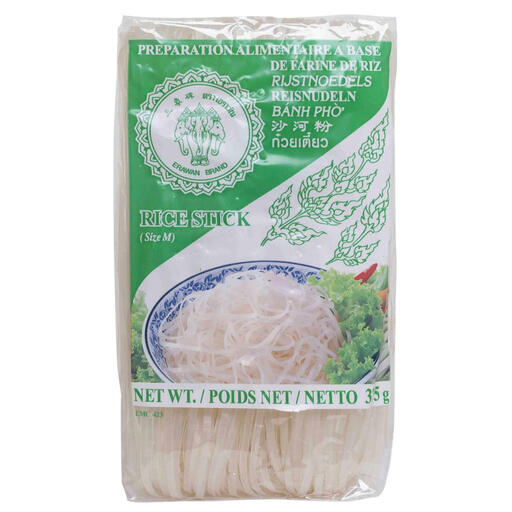
Why we love them: The 3 mm width is the benchmark size for an authentic Pad Thai. These noodles hold their shape perfectly, absorbing the sauce without disintegrating during wok cooking. The secret to a foolproof dish.
By clearly displaying "3 mm", the package eliminates any risk of choosing the wrong size—the #1 trap for stir-fries.
A texture that is both supple and firm, the signature of a brand renowned for the consistency of its Thai products.
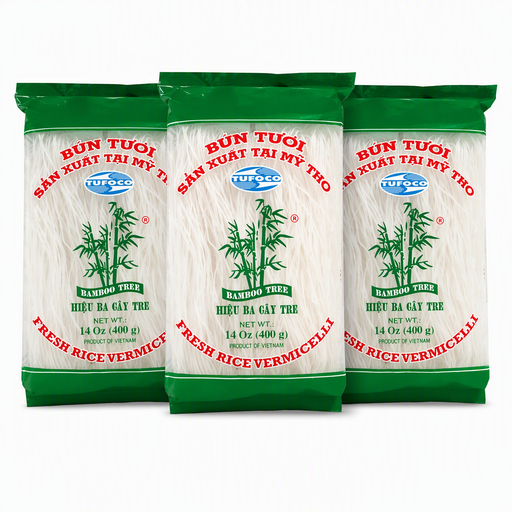
Why we love them: These fine vermicelli are tailor-made for clear broths (like Ph?) and noodle salads (Bún). They provide a delicate, light texture that allows the dish's flavours to shine.
The "Bún" designation on the package guides you directly to its Vietnamese use. It's impossible to mistake them for wok noodles.
Quick cooking and a fineness (1.2-1.4 mm) that's ideal for soaking up fragrant broths and mingling with fresh herbs.
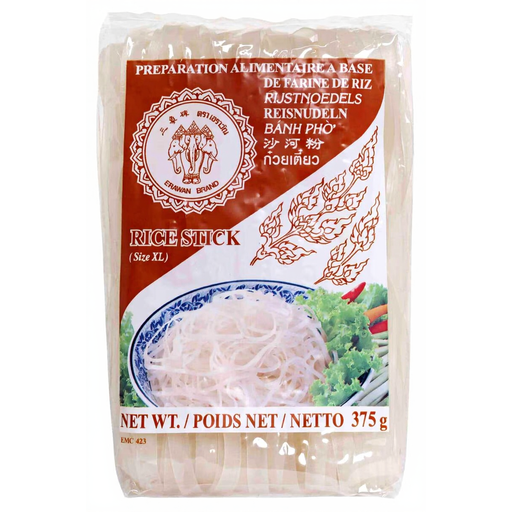
Why we love them: Perfect for recreating dishes like Pad See Ew, which requires a wide, flat noodle for a substantial chew and maximum adherence to dark soy sauce.
Their 10 mm width is a deliberate choice for a very specific use. No more disappointment from a noodle that gets lost in the sauce.
Extra-wide (10 mm), they offer a unique texture and divinely capture thick, caramelised sauces.
We have gathered a complete selection of products that meet our selection criteria, especially for the versatile 3 mm size.
The golden rule is to read the package carefully, but here is a nearly universal method: soak the noodles in warm water (never boiling) for 15 to 30 minutes, until they are pliable but still slightly firm (al dente). Drain them. Then, plunge them into a large pot of boiling water to flash-cook them (1 to 3 minutes maximum). Drain again and immediately rinse with cold water to stop the cooking process and remove excess starch. A final touch? A drizzle of sesame oil to prevent them from clumping together.
In theory, yes, since they are made from rice. However, for individuals with coeliac disease or a severe intolerance, vigilance is key. It is imperative to scan the packaging for a "gluten-free" certification and check the allergen list for statements like "may contain traces of wheat", which indicate a risk of cross-contamination in the factory.
It's primarily a matter of shape and size. The term "rice vermicelli" almost always refers to very thin, round noodles, reminiscent of spaghetti. The expression "rice noodles" is a generic term that encompasses all shapes, including the flat, wide ribbons (the famous rice sticks). Ultimately, the choice depends entirely on the recipe you have in mind.