What should you check before buying?
For a dessert where you want the grains to remain whole, start by choosing a type of rice that suits the recipe. Then compare the ingredients and salt content on the same basis, for example per 100 g.
| What to consider |
What to check |
Who is it for? |
| Salt in the recipe |
The salt content per 100 g and the rice ingredients; plus any other ingredients added to the dessert. |
When I’m watching my salt intake, I want to distinguish between the salt in the pack of rice and the salt I add while cooking. Around 50% of consumers put this check first. |
| Dessert texture |
Short-grain rice or a ‘specially for desserts’ label, followed by the method specified in the recipe. |
For rice pudding, I’m mainly looking for a thick, creamy texture, rather than choosing a grain based on its nutrition label alone. This is the priority for around 33% of consumers. |
| Product format |
Whole grains if the recipe calls for whole rice; rice cream if it calls for an ingredient to bind or thicken the mixture. |
If I want to see the grains in my rice cake, rice cream won’t meet the same need. Around 17% of consumers would put the product format and simple ingredients first. |
Rice to explore on Joybuy
This selection includes glutinous rice and rice marketed for sushi. Glutinous rice may suit a recipe that calls for this variety. For products intended for sushi, check that the grain and preparation method will work in your dessert rather than assuming they can replace rice labelled ‘specially for desserts’.
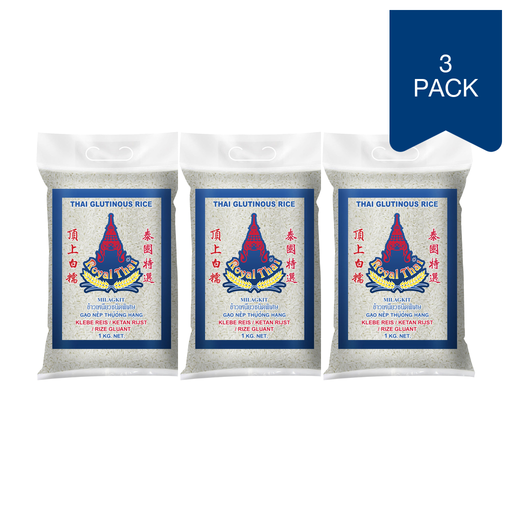 Image unavailable
Royal Thai Sticky Rice, 1 kg × 3
Worth considering if your recipe calls for glutinous rice rather than short-grain rice for rice pudding. The pack contains three 1 kg bags; check the preparation instructions and salt content on the packaging.
View on Joybuy
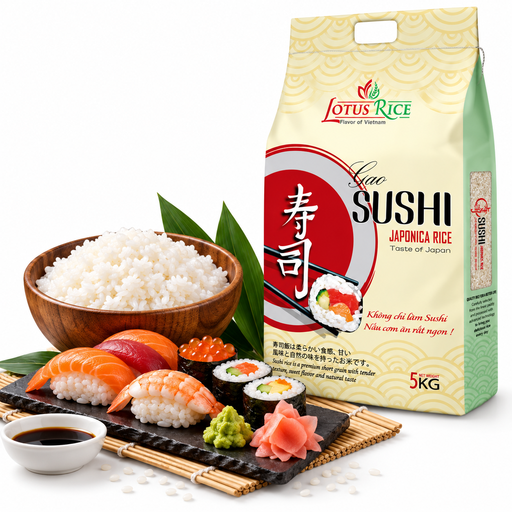 Image unavailable
Lotus RICE Short-grain sushi rice, 5 kg
Worth considering if your dessert calls for short-grain rice, but check that rice sold for sushi will suit your recipe. The pack contains 5 kg, so choose this quantity to suit your needs and check the salt content on the packaging.
View on Joybuy
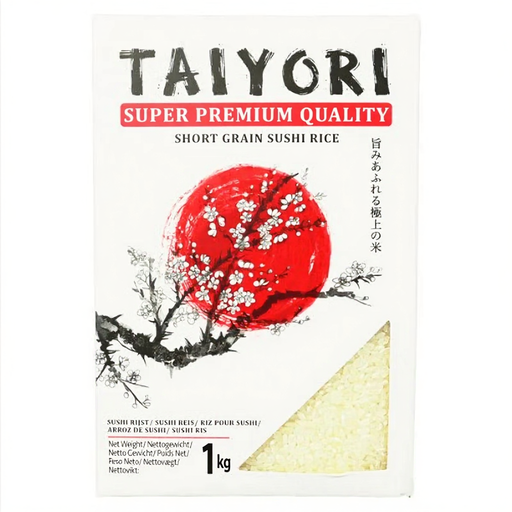 Image unavailable
Taiyori Sushi Rice BOX, 1 kg
This sushi rice is worth considering for a recipe that calls for short-grain rice, but don’t assume it will give you the right result in a dessert. The pack contains 1 kg; follow the instructions for your sweet recipe and check the product’s salt content.
View on Joybuy
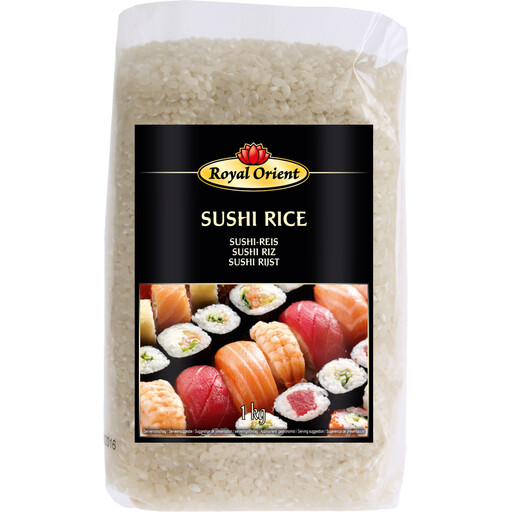 Image unavailable
Royal Orient Sushi Rice, 1 kg
This 1 kg pack is described as sushi rice. If your dessert needs short-grain rice, check the type of grain before choosing it, as well as the salt content on the packaging.
View on Joybuy
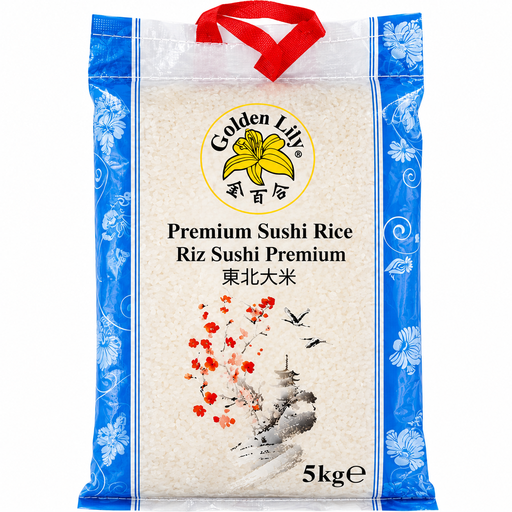 Image unavailable
GOLDEN LILY PREMIUM SUSHI RICE, 5 kg
This sushi rice is worth considering if the grain suits the dish you have in mind; its stated use alone doesn’t tell you what texture it will give a dessert. The pack contains 5 kg. If they’re important to your choice, check the nutrition information and allergen details on the packaging.
View on Joybuy
Frequently asked questions
Do you need rice labelled ‘reduced salt’ for rice pudding?
No. This isn’t the first thing to look for when choosing rice for rice pudding: start with the type of grain your recipe calls for. Then check the salt content per 100 g and the ingredients on the specific pack, and take account of anything you add during preparation.
How can you stop a kit adding salt to your dessert?
Read the ingredients for every item in the kit, not just the rice. In the sushi kit described by Carrefour, the rice is listed as being made from short-grain rice, but the included soy sauce contains salt. A pack of plain grains lets you choose the other ingredients for your dessert separately.
Should you rinse short-grain rice before making rice pudding?
For its oven-baked rice pudding recipe, Taureau Ailé recommends not washing the short-grain rice, to preserve its starch. This instruction applies to that particular recipe, so follow the method for the dish you’re making.
Can low-sodium salt replace salt in a sweet recipe?
Don’t replace it automatically: first check whether the recipe needs salt and what the substitute contains. Some products contain potassium chloride, which Anses warns may carry a risk of hyperkalaemia for some people. Seek medical or pharmacy advice if your health condition or medication means you need to take precautions.


