Parents preparing dinner
With plain rice, you can choose what goes into the meal and adjust the texture after cooking. Manger Bouger’s advice on introducing solid foods recommends taking your child’s stage of eating into account.


For a toddler’s dinner, plain, unseasoned rice lets you choose what to add and adjust the texture after cooking. The ‘reduced in sugars’ claim alone isn’t enough to guide your choice. If you choose ready-prepared rice, check its ingredients, allergens and suitability for your child. It’s also important to offer a variety of starchy foods.
With plain rice, you can choose what goes into the meal and adjust the texture after cooking. Manger Bouger’s advice on introducing solid foods recommends taking your child’s stage of eating into account.
Ready-to-heat rice makes meal preparation easier, but it’s worth checking the label separately for sugars, salt, ingredients and allergens. The ‘reduced in sugars’ claim doesn’t answer all these questions.
You may want to alternate rice with other starchy foods. In its study on young children’s diets, Anses identified rice as a significant contributor to inorganic arsenic exposure among three-year-olds.
Choose this if: you want to decide what goes into the meal and adjust the texture of the cooked rice to suit your child.
Bear in mind: cooking takes time, and rice shouldn’t be the only starchy food you offer.
Consider this if: you need a quicker meal and the recipe is suitable for your child.
Check: convenience or a nutrition claim alone won’t tell you everything about the added ingredients.
| Criterion | What to check | Who is this for? |
|---|---|---|
| Ingredients | Compare sugars and salt per 100 g across similar products, then read the ingredients list. | When putting a meal together, I want to choose what’s added rather than rely on a claim on the front of the pack; around 33% of consumers prioritise ingredients. |
| Texture and stage of eating | Consider your child’s age and whether they can manage the texture after preparation. | If my child is still getting used to different textures, I want to be able to adapt the rice I serve; around 27% of consumers put suitability for their child’s stage of eating first. |
| Preparation time | Check the preparation instructions, then look at the recipe if you’re choosing ready-to-heat rice. | When dinner needs to be prepared quickly, I want a convenient option without choosing blindly; around 20% of consumers prioritise saving time. |
| Variety of starchy foods | Plan to offer other starchy foods that are suitable for your child at different meals too. | I don’t want to serve rice every time: Anses notes its contribution to inorganic arsenic exposure among three-year-olds; around 20% of consumers put variety in starchy foods at the heart of their choice. |
Under the European regulation on nutrition claims, ‘reduced in sugars’ means that a product is being compared with a similar product. This claim alone doesn’t tell you about salt, other ingredients or texture.
Check the nutrition information per 100 g, the ingredients list and the guidance on the packaging for the product you’re considering.
A ready-to-heat recipe may contain added ingredients that aren’t found in plain rice.
Compare labels and check the allergens, as well as the texture once the dish is prepared.
Anses identified rice and infant cereals made mainly from rice as significant contributors to inorganic arsenic exposure among three-year-olds. This finding doesn’t mean that rice should be banned altogether.
Offer a range of starchy foods at different meals, taking your child’s stage of eating into account.
These plain rice options let you prepare a meal and choose what to add. Their inclusion here doesn’t mean they carry the ‘reduced in sugars’ claim, or that their texture after cooking will suit every child.
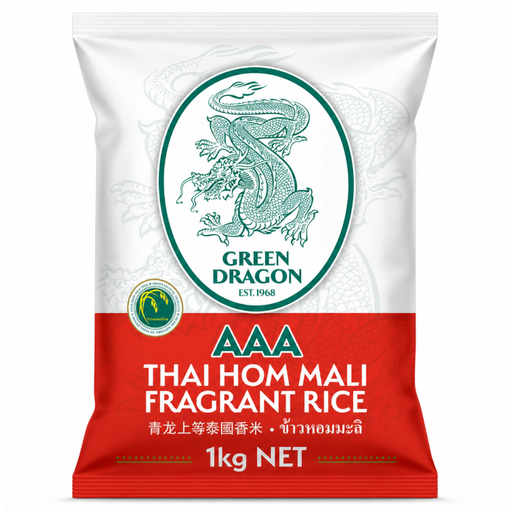 Image unavailable
For a dinner made with plain rice, with additions chosen to suit the meal.
1 kg pack. Check the texture after cooking to make sure it suits your child’s eating abilities.
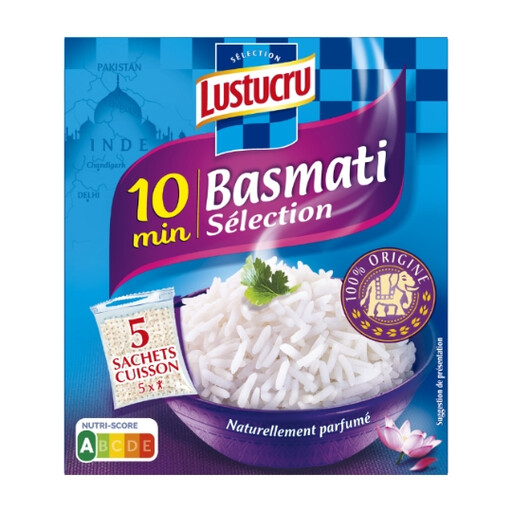 Image unavailable
For cooking plain rice when preparation time matters.
450 g pack. Quick cooking doesn’t mean you can skip checking the texture before serving it to your child.
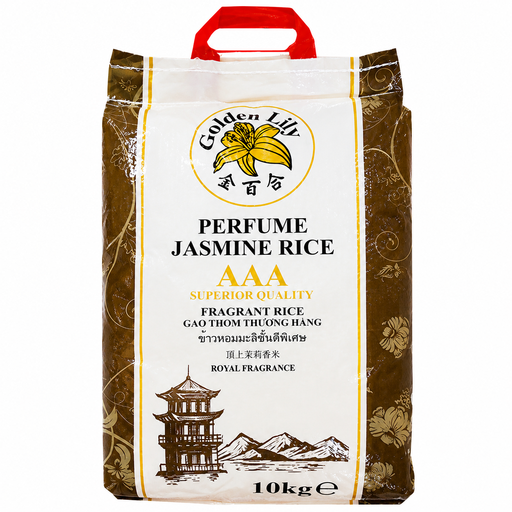 Image unavailable
For preparing plain rice and choosing the other ingredients in the meal separately.
10 kg pack: check that it suits your storage space and how much rice you use. Adjust the texture after cooking.
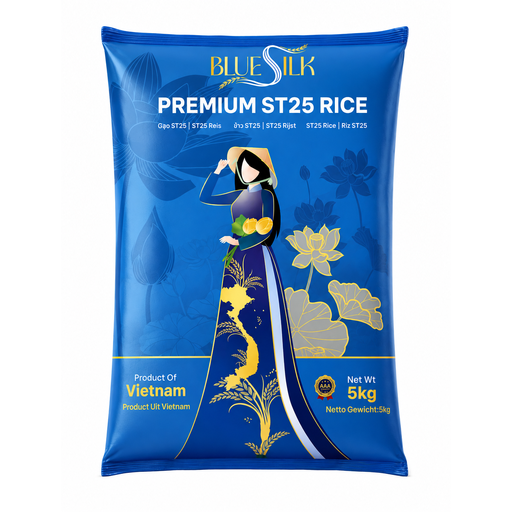 Image unavailable
For cooking plain rice to serve with accompaniments chosen for dinner.
5 kg pack. Check the texture of the cooked rice before serving it to your child.
No. ‘Reduced in sugars’ is a comparative claim governed by European regulations, not an indication that a product is suitable for a particular age. For the product you’re considering, also check the sugars and salt per 100 g, the ingredients and any useful preparation information.
Plain, unseasoned rice lets you choose what to add to the meal. After cooking, adjust the texture to suit your child’s stage of eating, following Manger Bouger’s advice on introducing solid foods.
No. Anses’ finding that rice contributes to inorganic arsenic exposure among three-year-olds doesn’t mean you should always exclude it. It’s another reason to vary the foods and starchy options you serve.
Yes, if the specific recipe and its texture are suitable for your child. Check the ingredients list, allergens, sugars and salt rather than relying only on the convenient format or a claim on the packaging.