
Livraison le jour même ou le lendemain

Qualité garantie

Débloquez vos offres de bienvenue: Livraison GRATUITE | Jusqu'à -80 % | 30 jours d'essai gratuits à JoyPlus
Téléchargez l'application
Rice crackers have it all. More original than crisps and more surprising than pretzels, they bring a fresh, crunchy twist to your appetiser spread. But behind the promise of a quick trip to Asia lies a dizzying array of options, where the best sits right next to the worst. Between alluring packaging and endless ingredient lists, it's hard to know where to start. Our mission? To give you the keys to avoid the pitfalls and make the right choice with confidence.
The Asian snacks aisle can be a minefield for the unsuspecting shopper. Before you fill your basket, here are the three most common traps to avoid so you don't regret your purchase.
For an original appetiser that everyone can agree on, three key criteria help separate the wheat from the chaff.
The texture of your cracker is a direct result of its composition.
Far more than simple salted biscuits, rice crackers are a playground for flavours.
Fried or baked? This choice is a game-changer, both for taste and for the calorie count.
Enough theory—let's get practical. To guide you, we've selected three products that perfectly illustrate these criteria and cater to specific tastes.
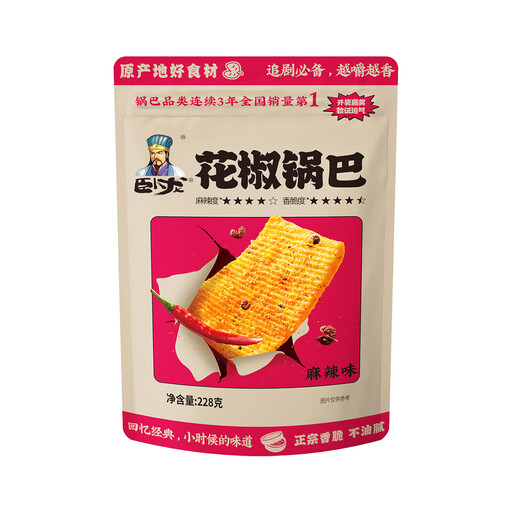
Why we chose it: Perfect for those who want an appetiser that's off the beaten path and aren't afraid of intense sensations. The Sichuan pepper and its famous "mala" flavour (both spicy and numbing) guarantee a snack your guests will remember.
It doesn't just make a vague promise of "spicy flavour." The ingredient list quantifies the presence of Sichuan pepper (≥0.5%), guaranteeing a distinct flavour, not just an artificial aroma.
A millet base (≥60%) and low-temperature baking deliver a thick texture and a non-fried alternative.
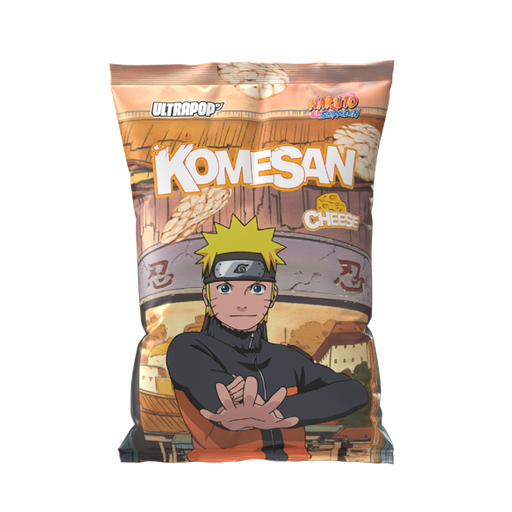
Why we chose it: The delicious and safe option so no one is left out at cocktail hour. Its crowd-pleasing cheese flavour will appeal to everyone, and its recipe is designed for those with gluten sensitivities.
It sidesteps the "sort of gluten-free" trap by clearly stating it has a "gluten-free recipe." This is a sign of intentional formulation, which is far more reliable than a simple assumption.
Made in France with 78% brown rice, making it a local and nutritionally interesting option.
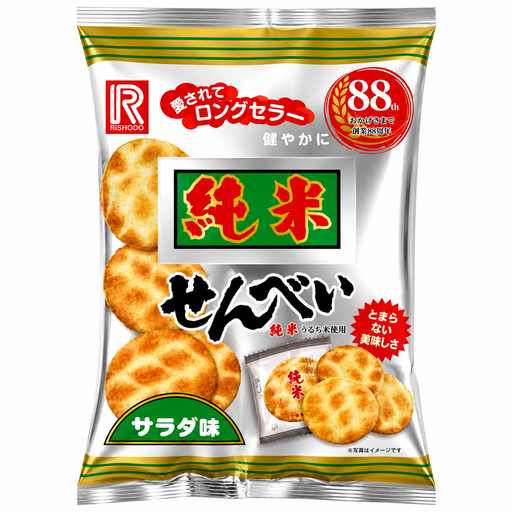
Why we chose it: For purists seeking the authentic taste and perfect texture of a Japanese rice cracker, with no frills. Ideal on its own or to accompany a drink without overpowering its flavours.
It avoids the "fake authentic" trap through total transparency. Its ingredient list is short and clear: rice, oil, salt. No false promises, just the essentials.
A minimalist composition based on non-glutinous rice that guarantees a pure flavour and a light, airy crunch, typical of traditional senbei.
Discover our full selection of rice crackers, all chosen for their quality and transparency in line with the criteria in this guide.
The sworn enemy of the cracker? Moisture. Once the packet is open, transfer the crackers to an airtight container and store it in a dry place, away from light. For optimal crunch, it's best to eat them within a few days of opening.
It all depends on the product you choose. Baked rice crackers made from brown rice or millet with low salt content are an excellent, often lighter, alternative. On the other hand, fried versions high in salt, sugar, or additives can have a nutritional profile similar to crisps. The smart move: always check the nutritional information table on the packaging.
Of course! For a controlled heat, look for seasonings like paprika, sweet chilli, or barbecue spice blends. Japanese cracker mixes, like the Yamato Mix, often contain an assortment of pieces with varied flavours, some of which are only mildly spicy, making them perfect for satisfying every palate.