
Livraison le jour même ou le lendemain

Qualité garantie

Débloquez vos offres de bienvenue: Livraison GRATUITE | Jusqu'à -80 % | 30 jours d'essai gratuits à JoyPlus
Téléchargez l'application
Rice crackers promise a flavour journey to Asia, an exotic, crunchy touch for our appetisers or movie nights. Yet, the experience can quickly turn to disappointment. Between the alluring packaging and the reality, there's often a world of difference. As a product expert at Joybuy, my mission is to guide you through this overwhelming selection to find the snack that lives up to its promise, without letting you get fooled by marketing ploys.
Before you fill your basket, here are the most common pitfalls to avoid:
However, making the right choice isn't so complicated when you know what to look for.
To avoid making the wrong choice again, focus on a few essential points that make all the difference.
The name "rice cracker" can sometimes be misleading. The cereal used is the primary factor influencing the texture:
The richness of Asian flavours is immense. Don't settle for the classic salty option. Explore the possibilities to find your preference:
This information, often indicated on the package, radically changes the final product. Fried crackers are generally richer and more indulgent, with a very satisfying crunch. Baked (or non-fried) ones are lighter, less greasy, and allow the flavour of the cereal to come through more clearly.
To help you see more clearly, here are a few options that cater to specific profiles and cravings, while avoiding the pitfalls mentioned.
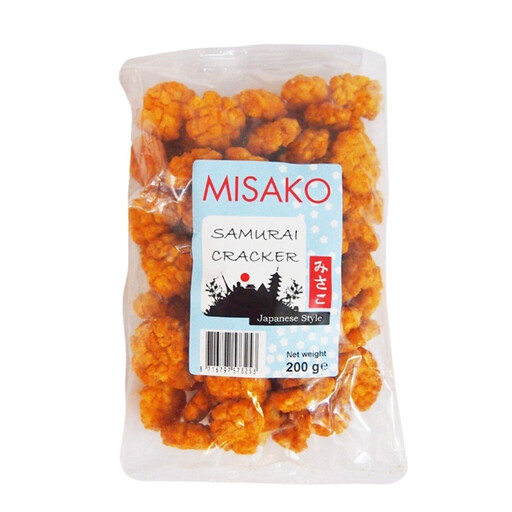
Why we chose it: Perfect for those who are often disappointed by the lack of heat in commercial "spicy" snacks and are looking for a pronounced kick.
Here, the spice is not just a suggestion. The ingredient list clearly mentions chilli powder, ensuring an assertive and flavourful heat, not just a faint aftertaste.
A mix of shapes and textures prevents monotony and keeps the tasting experience interesting, ideal for sharing at an aperitif.
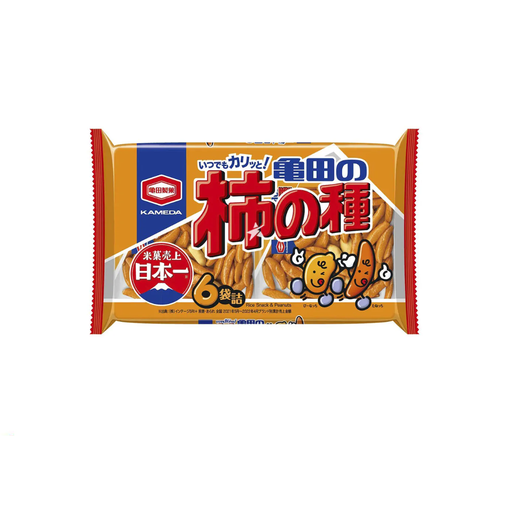
Why we chose it: Aimed at those seeking the authentic taste of classic **Japanese snacks**, with a masterful salty-sweet balance and a recognisable umami flavour.
It escapes the "generic salty taste" trap with a complex seasoning base that includes soy sauce, seafood extracts, and kelp (kombu), creating a deep umami profile.
The addition of roasted and salted peanuts provides a textural contrast and a classic pairing highly appreciated in Japan (known as *kaki-pi*).
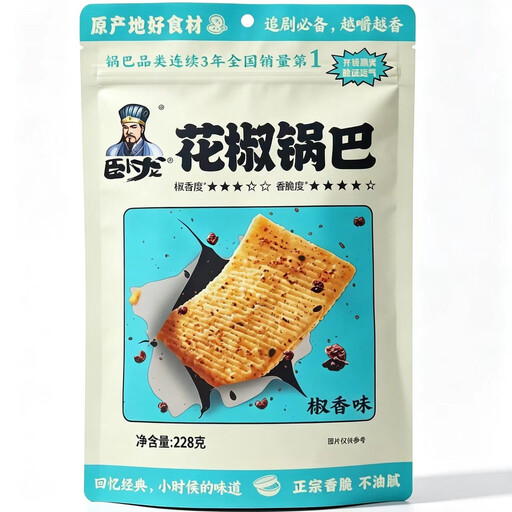
Why we chose it: For curious palates, tired of the usual flavours and seeking a unique and memorable taste experience, typical of Sichuan cuisine.
This product stands out by introducing the famous "málà" (麻辣) sensation, which is both spicy and numbing, thanks to the use of real Sichuan peppercorns (≥0.5%).
Made with millet (≥60%) and baked, these crackers offer a distinct texture and a unique mouthfeel thanks to the slightly numbing effect of the pepper.
We have compiled a complete and updated list of products that meet our strict selection criteria and quality standards.
The number one enemy of crispiness is moisture. Once the package is open, the best practice is to transfer the crackers to an airtight container, stored in a cool, dry place away from direct light. This is the best way to preserve their texture for several days.
Although there are many exceptions, Japanese snacks (like senbei or arare) are often rice-based and seasoned with soy sauce, mirin, seaweed (nori), or wasabi, offering a subtle umami profile. Chinese crackers may use a wider variety of cereals (rice, wheat, millet) and often feature bolder, more complex flavours, such as five-spice, Sichuan pepper, or aromas inspired by regional dishes.
Absolutely. Plain or lightly salted rice crackers can be crushed to create a crispy coating for chicken or fish. Smaller ones can be added to salads for extra crunch, or served as a base for appetisers with cream cheese, avocado, or a salmon tartare.