
Livraison le jour même ou le lendemain

Qualité garantie

Débloquez vos offres de bienvenue: Livraison GRATUITE | Jusqu'à -80 % | 30 jours d'essai gratuits à JoyPlus
Téléchargez l'application
Whether for university lectures, architectural plans, or simply structuring your thoughts, your choice of paper is a critical decision. A good notepad is an essential work tool, but shopping for one can quickly become a headache when faced with marketing promises that don't hold up. Before you decide, let's review the common pitfalls that can render a notepad almost useless.
Choosing a trusted name, like a 4-hole punched Rhodia A4 notepad, is about avoiding these disappointments by focusing on specific technical features rather than vague marketing claims.
To make an informed choice, you need to understand what separates a simple notebook from a high-performance work tool. Here are the three fundamental parameters to examine closely.
The convenience of a punched notepad lies in its ability to be seamlessly integrated into a binder. Two elements are essential here:
Paper quality directly impacts the writing experience. For clear, smudge-free notes, 80gsm Clairefontaine paper is the gold standard. This weight offers the perfect balance of opacity and flexibility. It's thick enough to prevent most inks, including those from fountain pens, from showing through. The "brushed vellum" finish, a signature of Rhodia pads, ensures an unparalleled glide for your pen tip, delivering remarkable writing comfort.
The size and ruling type should match your needs.
Instead of an endless list, here is a selection of products tailored to specific user profiles, all vetted against our criteria for quality and practicality.
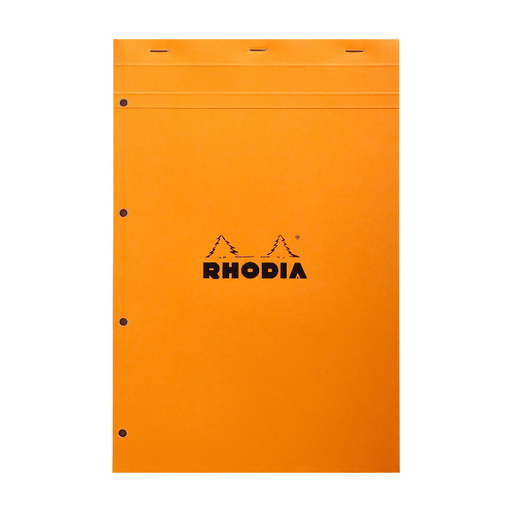
Who is it for? The perfect companion for students and professionals who jump between note-taking, diagramming, and immediate filing in an A4 binder. A seamless workflow.
This model checks all the boxes: micro-perforated sheets for a clean tear, a 4-hole punch compatible with the French standard, and 80gsm Clairefontaine paper that stops nearly all ink from bleeding through.
The ultimate all-in-one: write, tear, and file. Its ultra-rigid cardboard back even allows you to take notes while standing, without any other support.
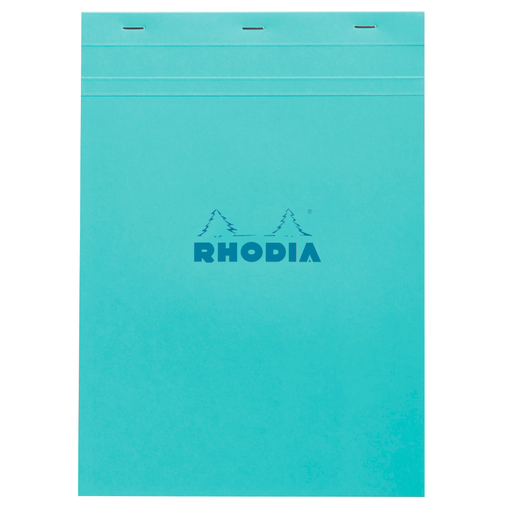
Who is it for? Ideal for those who appreciate the quality of Rhodia paper and easy detachment but don't need to file every single sheet systematically.
It keeps the essentials: the famous high-quality 5x5 grid paper and micro-perforated sheets that guarantee a perfect tear-out. Goodbye, ragged edges.
Lightweight and versatile. This stapled notepad gives you the freedom to decide later whether a page deserves to be punched and archived.
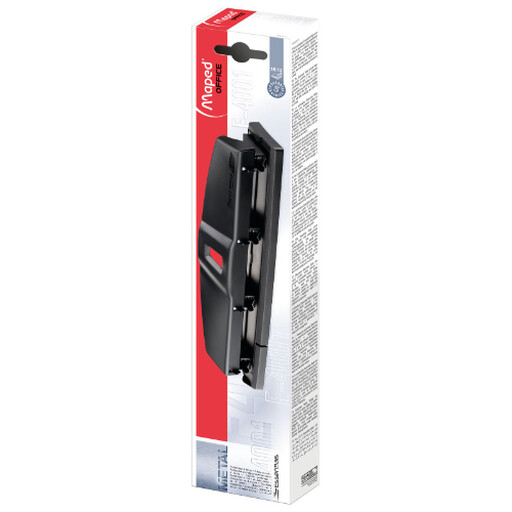
Who is it for? The essential tool for those who juggle different types of paper or unpunched notepads and demand perfect filing in their 4-ring binders.
No more headaches from misaligned holes. Its 100% metal construction and alignment guide ensure millimetre-perfect punching, light-years ahead of flimsy plastic gadgets.
Robust and precise. An investment that quickly pays for itself, delivering flawless organisation and punching up to 12 sheets at once. The perfect addition to any quality collection of office supplies.
To complete your setup and standardise your filing system, we have selected a range of tools that meet the same high standards of durability and compatibility.
The main difference is size. The N°18 corresponds to the classic A4 format (21?x?29.7?cm). The N°20 is slightly taller (21?x?31.8?cm), which can be useful for those who need more vertical space for their notes. Both are compatible with A4 sleeves and binders once the sheet is detached.
Yes, the 80?g/m? Clairefontaine brushed vellum paper is renowned for its excellent performance with fountain pen inks. It offers controlled absorption that drastically limits the risk of feathering and bleed-through, ensuring crisp writing on both sides of the sheet.
The standard in France for A4 binders is a 4-hole punch with 80?mm spacing between each hole (the 888 system). Notepads and hole punches that mention "4-hole" for the French market are generally compliant with this standard. When in doubt, choose a product that explicitly specifies this compatibility.