If keeping fat content down is your priority while revising, compare the figures per 100 g rather than relying on words such as ‘light’ or on the size of the pack. Under Regulation (EC) No 1924/2006, published on EUR-Lex, the claim ‘low fat’ means no more than 3 g of fat per 100 g for a solid food. The LU and Carrefour Bio Petit Beurre biscuits mentioned here each contain 12 g per 100 g, according to Carrefour’s product details. Their format may suit a quick break, but they do not meet this strict threshold.
Who is this guide for?
Anyone looking for a specific fat-content threshold
You want to tell the difference between a biscuit that simply seems light and a solid food labelled ‘low fat’. Regulation (EC) No 1924/2006, published on EUR-Lex, sets a maximum of 3 g of fat per 100 g for this claim.
Anyone who wants to take a portion with them
If a pack that slips easily into your bag matters more to you than a nutrition claim, Carrefour lists LU Véritable Petit Beurre Pocket in a box of 12 individually wrapped sachets. This packaging does not change its fat content per 100 g.
Anyone who also compares sugar content
You check sugar claims but don’t want to confuse them with claims about fat. Auchan describes its Gerblé Bio cranberry and almond biscuit as reduced in sugar, while listing 16 g of fat per 100 g.
Which criteria should you check first?
When choosing a snack for a study break, start with what matters most to you: fat content, sugar, packaging or the type of biscuit you fancy. Then compare the nutritional information on a like-for-like basis, per 100 g.
| Criterion | What to check | Who is it for? |
|---|
| Low fat |
The ‘fat’ figure per 100 g and the exact wording on the packaging. For a solid food carrying this claim, Regulation (EC) No 1924/2006 sets a maximum of 3 g per 100 g. |
I want a clear threshold rather than a biscuit that just seems light; around 36% of consumers would put this criterion first. |
| Sugar |
The ‘of which sugars’ and ‘fat’ figures for the same product, per 100 g: a sugar claim tells you nothing about fat. |
If I compare sugar first, I don’t want to assume that the biscuit is low in fat. This would be the priority for around 29% of consumers. |
| Portability and portions |
The number of sachets and biscuits per sachet, followed by the figures per 100 g rather than the per-portion figure alone. |
For a snack away from home, I look for a handy sachet and a clearly defined quantity; around 21% of consumers would prioritise the format. |
| Flavour and type of snack |
The type of product: Petit Beurre, a reduced-sugar biscuit or a rice cake. A rice cake is not a butter biscuit. |
I prefer the taste and texture of a biscuit, even if it doesn’t meet the strict low-fat threshold; flavour would come first for around 14% of consumers. |
Common misconceptions to avoid
-
Assuming ‘reduced sugar’ means ‘low fat’
These claims refer to two different things. Auchan’s product details for the Gerblé Bio cranberry and almond biscuit list 16 g of fat per 100 g, despite describing it as reduced in sugar.
If fat content is what matters to you, check the figure per 100 g separately from the ‘of which sugars’ line.
-
Assuming a Petit Beurre is always low in fat
Carrefour’s product details list 12 g of fat per 100 g for both LU Véritable Petit Beurre Pocket and Carrefour Bio Petit Beurre. These figures are above the threshold for the ‘low fat’ claim on solid foods.
Choose a Petit Beurre for its taste or format if those things matter to you, but check another product if meeting the 3 g per 100 g threshold is essential.
-
Comparing only the figures per portion
A smaller portion will naturally contain a different amount; on its own, this doesn’t let you compare the composition of two biscuits.
Start with the nutritional information per 100 g, then check the portion weight and the number of biscuits in the pack.
-
Overlooking allergen information
Recipes and warnings can vary between products and pack formats.
Before taking a snack with you, check the ingredients list and allergen information on the packaging of the product you’re actually buying.
Brands and retailers to know when comparing products
LU
LU Véritable Petit Beurre Pocket combines a plain biscuit with individually wrapped sachets, making it a handy choice if packaging is a priority.
- Carrefour lists 12 individual sachets in the box.
- Carrefour’s product details list 12 g of fat per 100 g, so this product does not meet the ‘low fat’ threshold for solid foods.
St Michel
Galette au bon beurre is aimed at anyone looking for a butter biscuit in small sachets, rather than a biscuit that meets a strict fat-content threshold.
- St Michel lists four sachets of five biscuits.
- St Michel’s product details list 16 g of fat per 100 g.
Carrefour
Carrefour’s product details make it easy to compare the nutrition information for Carrefour Bio Petit Beurre with that for LU Véritable Petit Beurre Pocket.
- Both products list 12 g of fat per 100 g.
- This is above the 3 g per 100 g threshold for the ‘low fat’ claim on solid foods.
Auchan
The biscuits and cereal cakes featured by this retailer are a good reminder to check what type of product you’re looking at before comparing nutritional values.
- Auchan’s product details for the Gerblé Bio cranberry and almond biscuit give its fat content per 100 g.
- Describing it as a reduced-sugar biscuit doesn’t mean it’s low in fat: the product details list 16 g per 100 g.
Gerblé
The Bio cranberry and almond biscuit mentioned here shows why it’s important to distinguish a sugar claim from a fat-content criterion.
- Auchan describes this product as reduced in sugar.
- The same product details list 16 g of fat per 100 g, so check both figures according to what matters most to you.
Joybuy products for your study breaks
These two rice cakes suit different occasions: a sweet snack to take with you, or a savoury snack that needs to be prepared. Check the nutritional information and packaging for the product you choose; the pack weight alone doesn’t tell you what counts as a portion.
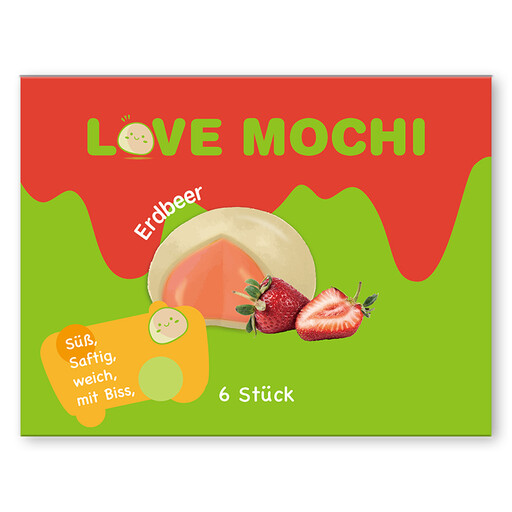 Image unavailable
Love Mochi strawberry rice cakes, 180 g
For a sweet snack on the go, the pieces are individually wrapped. Check the number of pieces, their weight and the ‘of which sugars’ figure before deciding on your portion.
View on Joybuy
 Image unavailable
Golden Rice Vietnamese Water Fern Cakes, frozen with sweeteners, 200 g
For a savoury snack when you have time to prepare it: these frozen cakes must be kept frozen and steamed before eating. Check the number of pieces if you want to plan a portion.
View on Joybuy
Frequently asked questions
What does ‘low fat’ mean for a biscuit?
For a solid food, this claim means no more than 3 g of fat per 100 g, under Regulation (EC) No 1924/2006, published on EUR-Lex. Check the figure per 100 g on the packaging rather than relying solely on a term such as ‘light’.
Is a reduced-sugar biscuit always low in fat?
No: these two claims describe different things. Auchan describes its Gerblé Bio cranberry and almond biscuit as reduced in sugar and lists 16 g of fat per 100 g. Compare the ‘of which sugars’ and ‘fat’ figures separately.
Do the Petit Beurre biscuits mentioned meet a strict low-fat threshold?
No: Carrefour’s product details for LU Véritable Petit Beurre Pocket and Carrefour Bio Petit Beurre each list 12 g of fat per 100 g, compared with a threshold of 3 g per 100 g for this claim on solid foods. Their format or flavour may still make them the right choice for your break.
What should you check before taking a biscuit with you to revise elsewhere?
Check the number of biscuits per sachet, the nutritional information per 100 g and the allergens listed on the packaging of the exact product. Individual packaging makes it easier to carry, but doesn’t change the biscuit’s composition.


