
Livraison le jour même ou le lendemain

Qualité garantie

Débloquez vos offres de bienvenue: Livraison GRATUITE | Jusqu'à -80 % | 30 jours d'essai gratuits à JoyPlus
Téléchargez l'application
Adopting a more sustainable lifestyle often starts with simple changes, like swapping single-use plastic bottles for a reusable bottle. But in a saturated market, it's easy to make the wrong choice. What seems like a perfect purchase can quickly turn into a nightmare: a leaky cap, a lingering plastic taste, an impossible cleaning job... disappointments are common.
As a product expert at Joybuy, my job is to help you navigate the options. Let's review the pitfalls to avoid and the essential criteria for choosing the reusable water bottle you'll never want to part with, whether at the office, on a hike, or at the gym.
The initial excitement of a new purchase often falls flat in the face of simple design flaws. Here are the three biggest user complaints and how to anticipate them.
To avoid making a mistake, focus on a few objective technical features. These are what will make all the difference in the quality and lifespan of your future bottle.
The choice of material is crucial: it directly impacts the taste, weight, and durability of the bottle.
Capacity is a purely practical, yet essential, criterion.
This is often the bottle's weak point. Inspect it from every angle.
To put theory into practice, here are a few models that perfectly illustrate these criteria, each meeting a specific need.
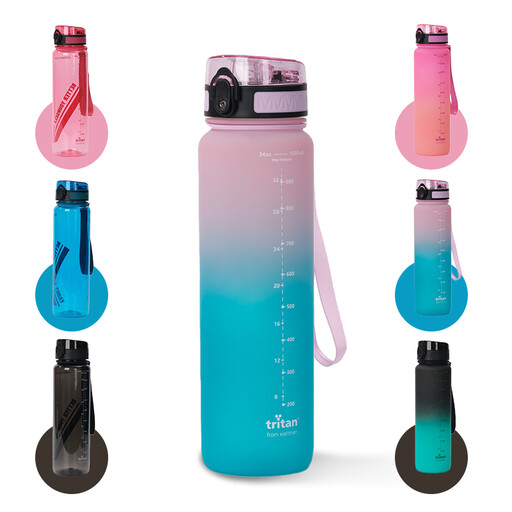
Why it's a match: Ideal for those with high hydration needs during workouts, hikes, or long days. Its large capacity and lightweight design are built for action.
It's made from Tritan, a quality material that doesn't retain tastes and resists impacts, sidestepping the low-grade plastic trap. Its integrated handle solves the ergonomics and transport issue.
Large 1L capacity for maximum hydration and a lightweight design with a practical carrying handle.
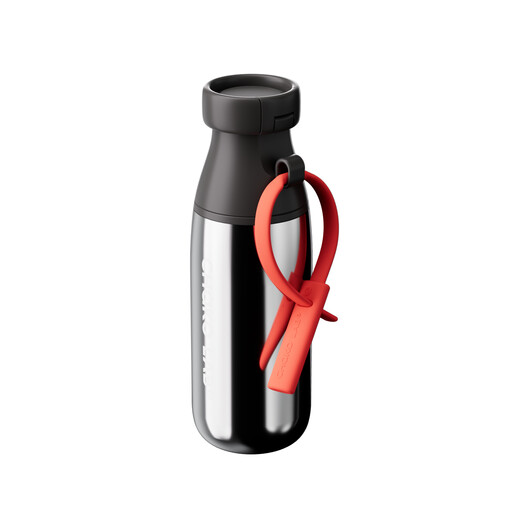
Why it's a match: Perfect as a travel bottle or for keeping your drink cool all day at the office. Its compact size and accessories make it an excellent daily companion.
Made from food-grade 18/10 stainless steel, it prevents any metallic taste. Its spout and straw cap is designed to be leak-proof and dust-proof, avoiding the leakage trap.
Double-wall vacuum insulation keeps drinks cold for up to 10 hours. Comes with two carrying options (handle and strap).
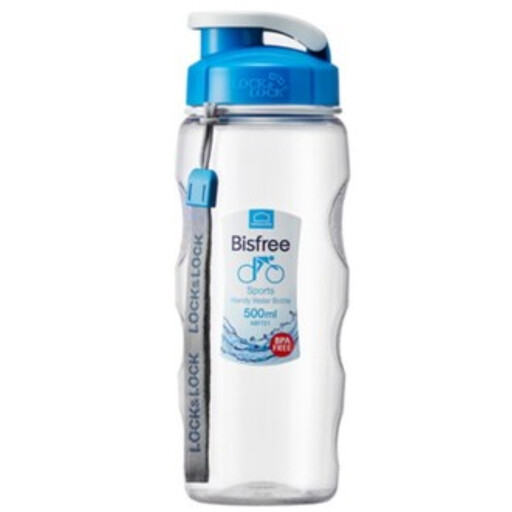
Why it's a match: For those looking for a simple, lightweight, and reliable no-frills solution for daily hydration. Perfect for slipping into a handbag or small backpack.
Its minimalist design relies on the dependability of a simple cap. The Bisfree material (similar to Tritan) guarantees it is BPA-free and leaves no residual taste, countering the poor-quality plastic trap.
Extremely lightweight (0.1 kg) and compact, you'll barely notice it during transport while still offering a practical 500 ml capacity.
We've compiled a complete list of products that meet our strict specifications and safety regulations.
A daily rinse with hot, soapy water is the baseline. For a deep clean, use a bottle brush to reach the bottom and sides. Once a week, fill the bottle with a mixture of hot water, a tablespoon of baking soda, and a splash of white vinegar. Let it sit for an hour before rinsing thoroughly. Most importantly, always let it air dry, open and upside down.
There's no one-size-fits-all answer; each material has its strengths. A stainless steel bottle is ultra-durable, maintains temperature (if it's insulated), and doesn't absorb any taste. Its main drawback is its weight. A high-quality plastic bottle like Tritan is an excellent alternative: it's lightweight, impact-resistant, and BPA-free. The choice depends on your priority: insulation and durability (stainless steel) or lightness and convenience (Tritan).
A well-maintained stainless steel bottle can last for many, many years. A Tritan model will also have a long life, although it may get scratched over time. The most common point of failure is the cap's sealing gasket. A quality bottle is an investment that quickly pays for itself, both financially and environmentally.