
Livraison le jour même ou le lendemain

Qualité garantie

Débloquez vos offres de bienvenue: Livraison GRATUITE | Jusqu'à -80 % | 30 jours d'essai gratuits à JoyPlus
Téléchargez l'application
Making sushi, nigiri or onigiri at home becomes much easier with a reusable sushi mould. However, you still need to choose an accessory suited to the texture of the rice, the number of portions you want and your cleaning routine. Some models focus entirely on an unusual shape or a low price, without necessarily meeting the demands of everyday cooking.
A heart- or animal-shaped sushi mould can add a fun touch to a bento. However, it may not replace a nigiri mould if you want to prepare several identical portions. Before ordering, check the product’s main purpose: round portions, unusual shapes, onigiris or rolls.
With a poorly designed mould, overly compact rice may remain stuck inside. A flap, removable base or simple opening system makes it easier to release the portions without deforming them. This detail makes all the difference for beginners and families preparing several lunch boxes at once.
This promise does not necessarily mean that the mould is dishwasher-safe. Several food-grade plastic accessories must be washed by hand and are not suitable for use in the microwave. Check the manufacturer’s instructions, particularly if you are looking for an easy-to-clean food mould.
For domestic use, choose a material explicitly described as suitable for food contact, such as the polypropylene used for some models. It should remain intact over time, without cracking, deforming or developing a rough surface.
It is best to avoid utensils whose product information specifies neither their composition nor their conditions of use. A mould is designed to shape cooked, slightly cooled rice, not to cook it directly in the oven, microwave or on a hob.
A double sushi mould is useful for shaping two pieces at the same time. For family meals, a five-portion model helps you work faster while producing evenly sized pieces.
This consistency also makes it easier to portion fillings such as salmon, cucumber, Japanese omelette, avocado or pickled vegetables. You can create a well-balanced bento without having to weigh every portion.
A compact accessory is easier to store in a kitchen drawer. Check its dimensions before buying, especially if storage space is limited. After use, quickly rinse away any starch residue, then clean the mould with a soft sponge and washing-up liquid.
The models featured here are generally intended for hand washing and are not recommended for the dishwasher. Also keep them out of reach of young children: these are kitchen accessories, not toys.
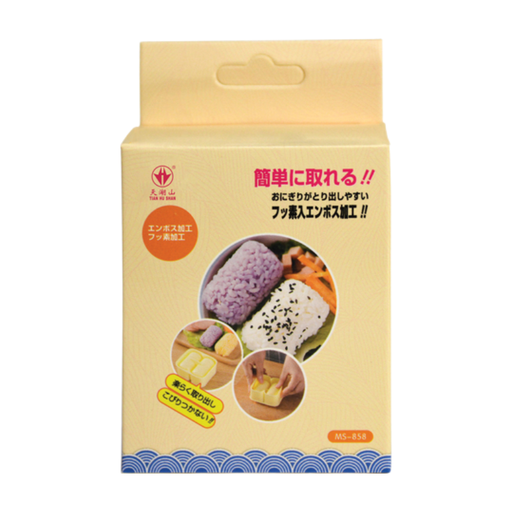
Why this choice suits this profile: its compact size and double design make it a simple accessory for beginners who want to prepare homemade sushi, rice balls and onigiris.
The product information specifies the food-contact-safe material, the mould’s reusable design and hand washing. You therefore won’t mistakenly assume that it is dishwasher-safe.
Advertised dimensions of 4.3 × 7.2 × 11 cm, no assembly required and versatile use for sushi, rice and onigiris.
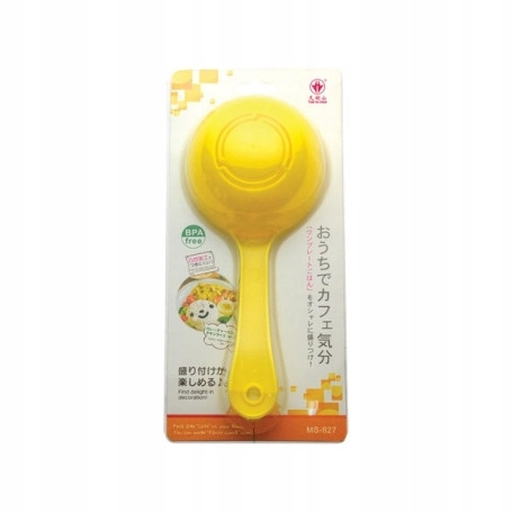
Why this choice suits this profile: this nigiri mould creates five identical portions in one go. It is ideal for regular meals or preparations intended for several guests.
The product information mentions a release flap, reducing the amount of handling required when you need to prepare several portions quickly.
Five compartments, a polypropylene design and intended use for nigiris, sushi and rice balls.
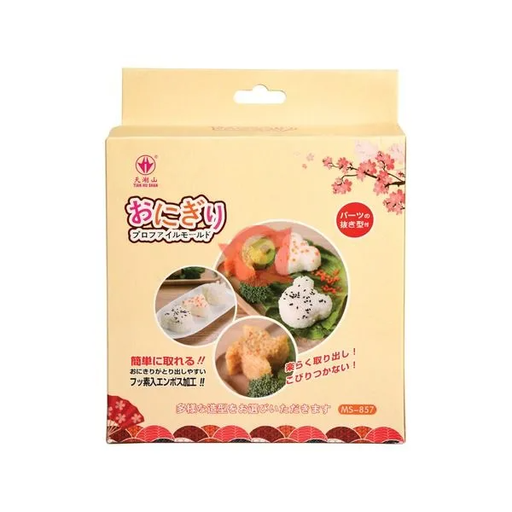
Why this choice suits this profile: enthusiasts of beautifully presented food can choose this set, advertised as including several moulds for creating rice in different shapes.
The product information details its reusable design, compact storage and hand washing. Even so, check the exact contents of the set before placing your order.
A set designed for homemade sushi, onigiris and rice balls, with no assembly required.
For a texture that releases easily, use slightly cooled cooked rice that is still moist enough to hold its shape. Fill the mould without pressing too firmly, add the filling if the shape allows, then press evenly.
A few simple steps can help minimise residue:
A bento mould or onigiri mould can also be used to present plain rice, vegetables or certain sweet preparations, provided you follow the uses specified in the product information.
Use slightly cooled cooked rice and fill the mould gradually. Rinsing or lightly moistening it may help, provided this method is compatible with the manufacturer’s instructions. Avoid forcing the mould open with a knife, as you could damage the plastic.
Its lifespan depends on how often it is used, the material and how it is maintained. Gentle washing, avoiding sharp utensils and storing it away from heat all help to reduce wear. Replace the mould as soon as it develops a crack, becomes deformed or has a damaged surface.
Not necessarily. The models selected here are described as requiring hand washing and are not presented as dishwasher-compatible. Always check the product information before choosing a washing programme.