
Livraison le jour même ou le lendemain

Qualité garantie

Débloquez vos offres de bienvenue: Livraison GRATUITE | Jusqu'à -80 % | 30 jours d'essai gratuits à JoyPlus
Téléchargez l'application
A reusable food lid can replace cling film, protect a dish in the fridge or limit splatters in the microwave. But not all models are interchangeable. A stretchy bowl cover isn't designed for cooking on a plancha, while a glass lid can quickly become cumbersome to carry around.
Before you place an order, three mistakes keep cropping up: measuring the wrong part of the container, assuming a product can handle all heat sources, and trusting the word "airtight" without checking the usage conditions. Here are the points to consider when choosing a lid that suits your kitchen, your pet's food or your storage needs.
A diameter of 20 or 27 cm doesn't guarantee the lid will fit your container. Measure the outer diameter of the bowl or box, including the rim. For a stretchy model, also check the range of sizes it covers.
Too small, and the lid will warp and won't stay on properly. Too large, and it may slip off or let air in. This check applies just as much to a storage container as it does to a tin of pet food.
The phrase "heat-resistant" doesn't give you free rein. A microwave lid must be designed for that purpose and, where necessary, have openings to let steam escape. An accessory intended for the microwave isn't automatically suitable for the oven, hob or plancha.
The same goes for a silicone lid: it may be flexible and dishwasher-safe, but still have a maximum temperature you mustn't exceed. For cooking, look for an explicit mention of the oven, grill or plancha.
The effectiveness of an airtight lid depends on the contact between the lid and the container. An uneven rim, a dirty surface or an overfilled container can prevent a proper seal. Flexible models are handy for everyday use, but they don't always replace a box with a proper locking system.
With strong-smelling foods or cat food, inspect the material regularly. A crack, loss of elasticity or deformation can reduce the effectiveness of the seal.
For any product that will come into contact with food, check the manufacturer's guidance on food contact, maximum temperature and compatible appliances. Claims like "BPA-free", "dishwasher-safe" or "microwave-safe" should match the detailed instructions in the manual.
A flexible lid must grip evenly all the way around. For a storage container lid, check compatibility with the exact reference of the container. For a storage bin lid, the priority criteria are dimensions, rigidity and the ability to stack properly.
For pet food tins, a slightly stretchy model can fit several standard sizes. It's still essential to check the diameter and to remove the lid before microwaving, unless the manufacturer explicitly says otherwise.
In the microwave, never block the ventilation openings. When removing a hot lid, keep it away from your face to reduce the risk of steam burns. With a cooking dome, use suitable oven gloves and let the glass cool down before cleaning.
Avoid sudden temperature changes with glass, even when it's tempered. Never place a hot glass lid directly onto a cold or wet surface.
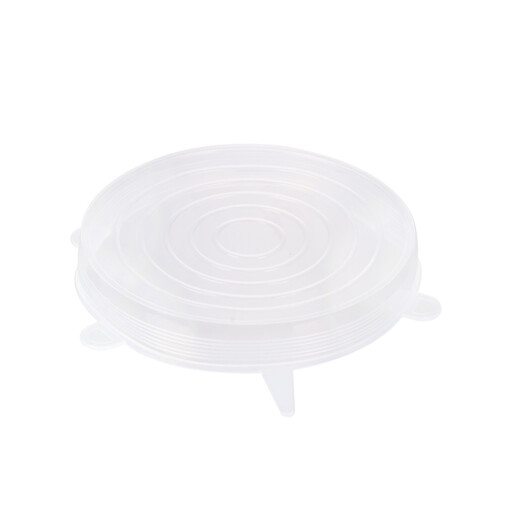
Why this choice suits this profile: With three diameters – 14.5, 16.5 and 20.5 cm – this set covers everyday needs: bowls, containers and pre-cut foods.
The three sizes reduce the risk of betting on a single size that doesn't fit. Still, measure your container before buying.
A soft, reusable silicone, dishwasher-safe and stated as microwave-compatible thanks to its built-in ventilation.
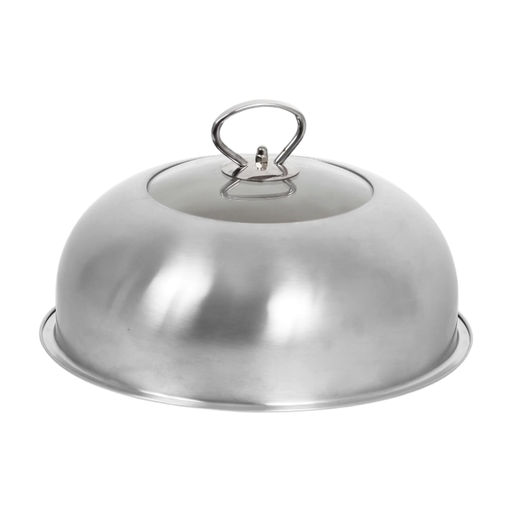
Why this choice suits this profile: With its 27 cm diameter and stainless steel base, this dome works equally well for a dish served at the table or a preparation on the plancha.
The product page details its uses on the plancha, grill and in the oven. So there's no chance of mistaking it for a simple food lid.
The clear tempered glass lets you monitor cooking, while the stainless steel base ensures stability. Hand washing recommended.
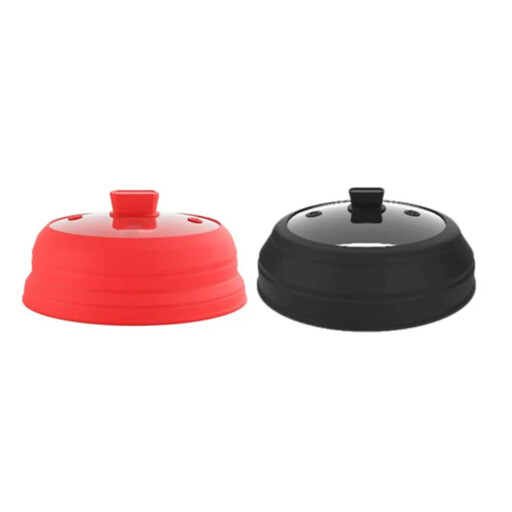
Why this choice suits this profile: This cover is for those who regularly reheat dishes and want to store it without taking up half a cupboard.
The built-in ventilation and stated maximum temperature of 200 °C make the instructions much clearer than a simple promise of heat resistance.
A foldable design, a clear glass window and a silicone handle. No direct flame and ventilation must be respected at all times.
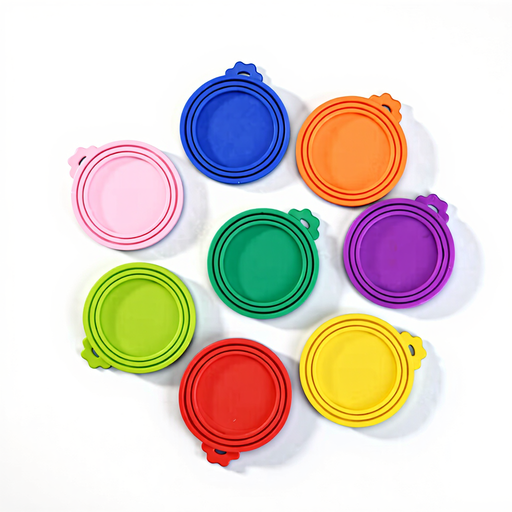
Why this choice suits this profile: Designed for tins of wet pet food, this lid is easy to carry around, whether at home or on the go.
The product page states compatibility with most standard tins, while recommending you check the fit and replace the lid as soon as it's damaged.
A silicone stated as food-contact safe, a flexible seal, dishwasher cleaning and a reusable design. Product intended for pet use only.
We've put together a full selection, updated in real time, of products that meet these demanding criteria and European safety standards.
Yes, but only if the manufacturer clearly allows it. Place it on a microwave-safe container and leave any ventilation openings uncovered, if it has them. Once reheating is finished, remove it carefully to avoid hot steam.
It depends on how often you use it, how you care for it and its exposure to heat. Check the silicone regularly and replace the lid if you notice any cracks, unusual discolouration, a persistent smell or loss of elasticity. The instructions in the manual should always take priority.
Measure the diameter of the tin and go for a model stated as compatible with standard sizes. A flexible silicone lid is practical for everyday use, but should never go in the microwave without specific authorisation. Clean it after each use and dry it before putting it back on.