
Livraison le jour même ou le lendemain

Qualité garantie

Débloquez vos offres de bienvenue: Livraison GRATUITE | Jusqu'à -80 % | 30 jours d'essai gratuits à JoyPlus
Téléchargez l'application
Changing the feel of a room without glue, dust or major building work is possible with repositionable self-adhesive wallpaper. This solution is ideal for tenants, parents decorating a child’s bedroom and DIY enthusiasts looking to refresh a piece of furniture, hallway or feature wall.
However, beware of overly tempting photos. A textured wall, an incorrectly calculated quantity or a pattern that does not suit the room’s natural light can turn a quick makeover into a disappointing purchase. Here are the key criteria to check before ordering, followed by a selection suited to different projects.
Terms such as “peel and stick”, “peelable” or “removable” generally mean that the covering can be installed without liquid glue and removed more easily than traditional wallpaper. They do not necessarily promise unlimited reuse.
Adhesion depends on many factors, including the type of paint, dust, humidity and how long the covering remains in place. On a delicate surface, removal may leave marks or pull away a layer of paint. If you are a tenant, always test a small piece in an inconspicuous area.
Self-adhesive wallpaper delivers the best results on a smooth, clean, dry and completely dust-free surface. Textured, porous or freshly painted walls can cause bubbles, creases or edges to lift.
Before you begin, remove any rough spots, clean the surface with a suitable product and allow it to dry completely. Recently applied paint must also have had time to harden, in line with the manufacturer’s recommendations. Switches, skirting boards and corners also require careful cutting.
A roll’s width alone is not enough to determine how much you need. Measure the width and height of the area, allow extra for cutting and take pattern matching into account.
For a mural or large design, order several rolls with the same reference number and from the same batch. This will help minimise any potential shade differences. For a piece of furniture or a small section of wall, a shorter format reduces waste.
Check the exact dimensions in centimetres, as well as the area actually covered. A 44 × 305 cm roll covers approximately 1.34 m², while a 44 × 508 cm model covers nearly 2.24 m². These formats are particularly suitable for panels, cupboard doors, a decorative splashback away from water splashes or a section of wall.
For an entire bedroom, a wall mural or a wide wall, compare the total area covered rather than the price of a single roll.
Washable PVC vinyl can be practical in a hallway, bedroom or home office. When permitted by the manufacturer, its surface can be cleaned with a damp cloth. This does not mean that it can withstand prolonged exposure to water, steam or a heat source.
Avoid abrasive products and follow the instructions concerning naked flames, radiators and uneven surfaces. In a baby’s or child’s bedroom, install the covering out of reach of little hands: a decorative product description never replaces standard safety precautions.
A printed grid on the backing paper makes measuring and cutting easier. To prevent bubbles, peel away the backing paper gradually, keep the strip properly aligned and smooth from the centre towards the edges. On a large surface, do not remove the entire protective film in one go.
Wall stickers and floral designs made up of several elements are particularly easy to arrange. You can adjust the composition around a piece of furniture, window or shelf without covering the entire wall.
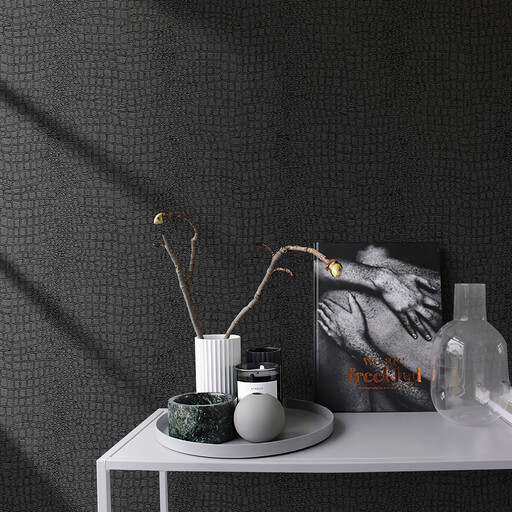
Why this choice suits this profile : its 44 × 305 cm format is ideal for a first project on a door, piece of furniture or small section of wall.
The area to cover remains limited, allowing you to test the adhesion and finish before taking on a more ambitious project.
Self-adhesive PVC vinyl, a measuring grid on the backing and damp-cloth cleaning, in line with the supplied instructions.
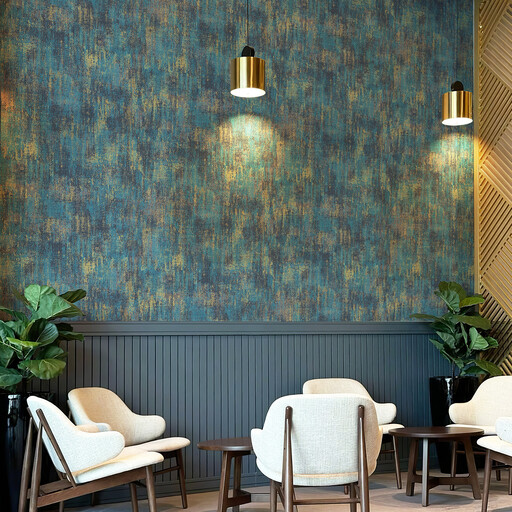
Why this choice suits this profile : its blue stone-effect texture and 508 cm length complement contemporary décor, light wood, metal and furniture in neutral shades.
With this much length, there are fewer joins on a wall panel or across several furniture fronts, provided you have measured accurately.
Approximately 2.24 m² of coverage, glue-free installation and damp-cloth cleaning.

Why this choice suits this profile : the blue nautical designs create a playful atmosphere in a child’s bedroom, playroom or even on a living-room wall.
Its clearly defined theme makes it easy to create a cohesive wall without mixing several unrelated patterns.
Self-adhesive wall décor, a stated peelable finish and a presentation in two sets of four whales.

Why this choice suits this profile : leaves, eucalyptus and green plants create a soft, calming look in a living room, bedroom or nursery.
The separate elements avoid an overly imposing mural effect and leave room around sockets, frames and furniture.
Two sets of wall stickers, a botanical design and self-adhesive installation for creating a personalised arrangement.
We have put together a complete, real-time updated selection of products that meet these exacting criteria and European safety regulations.
When refreshing a piece of furniture, start by testing the covering on a small interior surface. On matt or flaky paint, remove it especially carefully and very gradually.
Yes, provided the wall is smooth, clean, dry and sufficiently stable. Avoid grainy, dusty or uneven surfaces. A preliminary test will allow you to check both adhesion and removal on your paintwork.
It depends entirely on the product, surface preparation, room temperature and humidity level. Check the product information for your chosen model rather than relying on a general timeframe. A wall exposed to sunlight or positioned near a heat source may cause the covering to come away prematurely.
Some PVC models can be cleaned with a damp cloth. Avoid abrasive sponges, solvents and excessive amounts of water. This feature relates only to surface care: it does not automatically mean that the covering is suitable for a very humid bathroom.