
Livraison le jour même ou le lendemain

Qualité garantie

Débloquez vos offres de bienvenue: Livraison GRATUITE | Jusqu'à -80 % | 30 jours d'essai gratuits à JoyPlus
Téléchargez l'application
Repositionable self-adhesive wallpaper lets you transform a wall, door or piece of furniture without glue or major DIY work. This solution is particularly appealing to renters, DIY wall décor enthusiasts and parents who want to personalise a child’s bedroom.
However, not all products are created equal. An insufficient width, poorly prepared surface or difficult-to-align pattern can lead to more waste and make installation more complicated. Before buying self-adhesive wallpaper, a few simple checks can help you avoid unpleasant surprises.
The term glue-free repositionable wallpaper generally means that installation involves removing a protective backing, then applying the self-adhesive wall covering directly to the surface. This makes it easier to correct the alignment during installation.
It does not mean that the product can be removed and reapplied several times without losing adhesion. Dust, creases and cut-outs can damage the adhesive surface. If you are renting, always test the product on a small, discreet area and check that the paint remains intact before covering an entire wall.
A dusty, damp, uneven or freshly painted wall may prevent the film from adhering properly. Textured surfaces are particularly tricky: their raised areas may remain visible and cause the edges to lift more quickly.
Most of the products featured here are designed for smooth, flat, clean and dry surfaces, such as a properly prepared painted wall, varnished wood, a cupboard front or an interior door.
A compact roll may be perfectly suitable for an alcove or piece of furniture, but become expensive if you need to cover an entire wall. You need to take the roll’s width and length into account, along with pattern matching and cut-outs around sockets and corners.
With a floral pattern or wood-plank effect, allow enough extra material to align the design. Long rolls reduce the number of joins, but require precise measuring when positioning the first strip.
PVC vinyl wallpaper generally has a smooth surface that can be cleaned with a damp cloth. It is suitable for areas exposed to minor dirt, such as a hallway, home office or furniture front. However, it should not be considered suitable for areas directly exposed to water or intense heat.
Non-adhesive decorative wallpaper gives a different finish, but requires glue and a more traditional installation method. The Murgall 3D Art Paper Wallpaper Black Without Adhesive, for example, is designed to be installed with wallpaper paste. It therefore does not meet the needs of anyone looking for glue-free self-adhesive wallpaper.
Some products measure 44 × 305 cm, providing approximately 1.34 m² per roll. They are suitable for a decorative strip, a small feature wall, the back of a shelving unit or drawers.
Other 44 × 508 cm models cover approximately 2.24 m², with fewer vertical joins. Coverings measuring 60 × 508 cm are better suited to larger areas, particularly when you need to maintain consistent alignment between planks or panels.
Before ordering, measure the width and height of the surface, then add extra material for cut-outs. In a large room, also check that the rolls come from the same batch, where this information is available. This will help minimise any potential differences in shade.
Dark or floral wallpaper can create a striking contrast in a living room or bedroom. By contrast, a light pattern, such as a honey wood effect, is easier to integrate into a room with limited natural light.
For a self-adhesive furniture film, check for handles, corners and openings: cut-outs should be neat and the edges pressed down carefully. For a children’s wall sticker, choose a smooth surface and keep small pieces out of reach during installation.

Why this choice suits this profile: Its approximately 1.34 m² format is suitable for small areas, alcoves and first DIY wall décor projects.
The grid on the back helps you measure and cut straight, reducing mistakes during a first installation.
PVC vinyl, wipe-clean surface, self-adhesive installation and a deep blue pattern for a targeted decorative area.
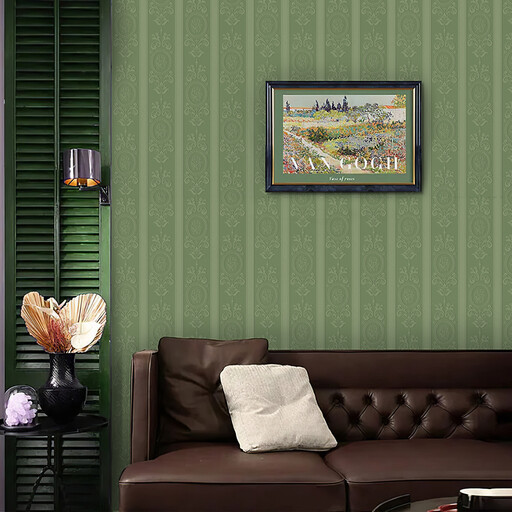
Why this choice suits this profile: Its 508 cm length reduces the number of joins on a feature wall in the living room, bedroom or hallway.
The long format avoids multiple joins, which are often very noticeable with vertical patterns.
Approximately 2.24 m² per roll, wipe-clean PVC vinyl and a vertical green pattern inspired by Rococo style.
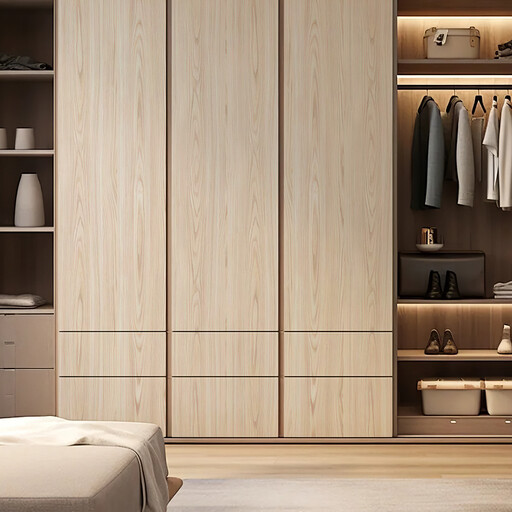
Why this choice suits this profile: Its 60 cm width is practical for cupboard doors, chest-of-drawers fronts, drawers and furniture panels.
The instructions advise against using it on rough walls and remind you to clean the surface before installation.
Approximately 1.83 m² per roll, 60 cm width, light honey wood pattern and easy care with a damp cloth.
For maintenance, a slightly damp cloth is generally all you need. Avoid abrasive products and exposure to strong sources of heat. Models designed for walls should not be installed on ceilings or floors, or used in areas exposed to splashing water.
We have put together a complete, real-time updated list of products that fully meet these strict selection criteria and European safety regulations.
Yes, provided the wall is smooth, clean and stable enough. The term “repositionable” mainly refers to the possibility of correcting the alignment during installation. It is best to test the product in a discreet area and check your tenancy agreement before covering a large surface.
Its durability depends on the surface, its preparation, humidity, heat and the quality of the installation. A dry, smooth wall promotes better adhesion. The edges must be pressed down properly, and the surface cleaned gently to reduce the risk of premature lifting.
Yes. Some models are designed for cupboard fronts, interior doors, drawers and varnished wood panels. Measure each section, remove the handles if possible and check that the surface has no pronounced texture or traces of grease. On heavily used furniture, take particular care with the edges and corners.