How do you choose a technology and check the installation?
First, choose a technology based on the cookware you want to keep and whether you use gas. Then check that a specific model can be installed in your kitchen.
Induction
Consider it if: your pans have a magnetic base, or you plan to replace any that aren’t suitable.
Bear in mind: incompatible pans won’t work on its zones; the cut-out and electrical circuit must also be suitable for the model.
Ceramic
Consider it if: keeping non-magnetic cookware matters more to you than switching to induction.
Bear in mind: the glass can stay hot after the hob is switched off; you’ll still need to check the electrical connection and fit.
Mixed induction and gas
Consider it if: you want to keep a gas burner while using induction for other cooking.
Bear in mind: this option involves checks for the electrical connection, induction cookware, gas supply and ventilation.
| Priority |
What to check |
Depending on your needs |
| Cookware |
For induction, test the base of each pan with a magnet. Check the hob instructions for suitable cookware materials and dimensions. |
I want to keep my current pans: if some aren’t magnetic, I’ll need to compare ceramic and mixed hobs, or replace those pans. |
| Fit |
Measure the cut-out and the space beneath the worktop. Compare them with the installation diagram for the exact model, not just its overall width. |
I’m keeping my worktop and want to know whether the new hob will fit, without assuming that two 60 cm models have the same dimensions. |
| Electricity |
Compare the model’s power rating and connection diagram with your existing installation. For installations covered by the rules it describes, Promotelec specifies a dedicated hob circuit with 6 mm² conductors and 32 A protection. If you’re unsure, have your installation checked. |
Before choosing an electric hob, I want to confirm that my kitchen’s electrical connection meets its requirements. |
| Everyday use |
Consider the number and size of the zones in relation to your cookware. With a ceramic hob, bear in mind the residual heat indicators that remain on after it’s switched off. |
I sometimes cook with large dishes or several pans, so the layout of the zones matters as much to me as the technology. |
| Gas installation |
For a mixed hob, have the gas supply, fittings and ventilation checked. GRDF says that single-flow mechanical ventilation (VMC) is suitable for an unflued gas cooking appliance only if the relevant conditions are met. |
I want to keep a gas burner, but I also want to confirm that my home can accommodate the mixed hob I’m considering. |
Which manufacturers should you consider?
These manufacturer models illustrate features to look at on specific hobs; they don’t replace checking the hob you plan to install.
Bosch
Bosch offers induction and electric ceramic hobs. For induction, compare the size and layout of the zones with your larger pans and your worktop.
- According to Bosch Électroménager France, the Bosch PVW895HC1E has five zones and a CombiZone.
- This model is also 816 mm wide. Check its installation dimensions and the space available rather than assuming these features apply to the whole range.
Electrolux
Electrolux ceramic hobs are worth considering if you’d prefer to keep using cookware made from a variety of materials.
- Electrolux lists a smooth surface and residual heat indicators among the features of its ceramic hobs.
- Electrolux lists the EHV6343IOK as having four zones, a maximum power rating of 6,400 W and a cut-out of 38 × 560 × 490 mm. These figures apply to this model only.
Whirlpool
The Whirlpool WBB3760BF induction hob may interest households looking to compare a flexible zone with the size of their dishes.
- For this model, Whirlpool lists a width of 59 cm, three zones including one flexible zone, and a maximum booster power of 3,600 W.
- Whirlpool specifies a 56 cm cut-out for this model. Check all the installation dimensions and connection requirements in its instructions.
Hobs on Joybuy for your replacement
These built-in hobs offer two options for replacing an existing hob: induction and ceramic. Compare each model with your cookware, cut-out and electrical connection. A mixed induction-and-gas hob also requires checks specific to the gas installation.
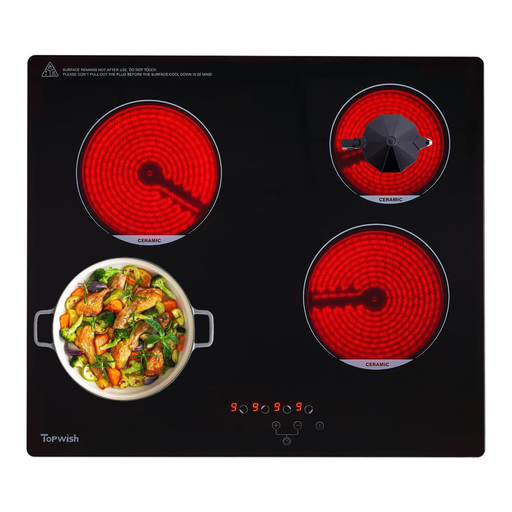 Image unavailable
TOPWISH ceramic hob, 4 zones, 60 cm, 6,600 W
An option to consider if you want to keep using non-magnetic cookware, subject to the instructions for use. The product title lists touch controls, a child lock and a residual heat indicator. Check the cut-out dimensions and connection requirements before replacing your hob.
View on Joybuy
 Image unavailable
TOPWISH induction hob, 4 zones, 60 cm
Worth considering if your cookware has an induction-compatible base. The product title mentions a Boost function, touch controls, a timer and a residual heat indicator. Compare the model’s cut-out dimensions and connection requirements with your kitchen.
View on Joybuy
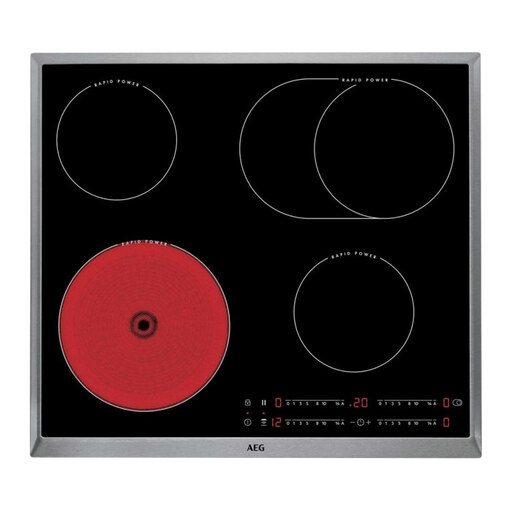 Image unavailable
HK654850XB Series 3000 ceramic hob, 60 cm
Ceramic is an option if you want to keep using non-magnetic cookware, subject to the model’s instructions. For this built-in hob, check the cut-out, the space beneath the worktop and the connection requirements. Its surface may remain hot after cooking.
View on Joybuy
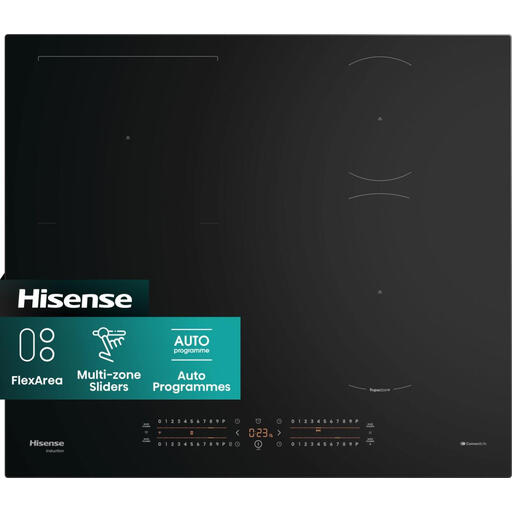 Image unavailable
Hisense HI6432BSCWF Hi6 induction hob, 60 cm
An induction hob to compare with your magnetic cookware and the space available in your worktop. If you use large dishes, check the size and layout of the zones in the instructions. Also check the installation dimensions and connection requirements for this model.
View on Joybuy
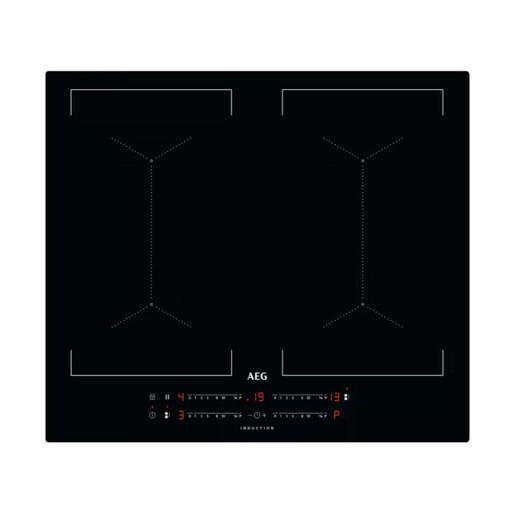 Image unavailable
AEG IKS64453IB induction hob, 4 zones, 60 cm
The Bridge function mentioned in the product title may be worth considering if you cook with large pans. Induction requires compatible cookware. When replacing your hob, compare this model’s cut-out dimensions and electrical requirements with your existing installation.
View on Joybuy
Frequently asked questions about replacing a hob
How can I check whether my pans are suitable for induction?
Place a magnet on the base of each pan. If it sticks, that’s a practical indication of compatibility, as Boulanger explains. Also check the hob instructions and test each piece of cookware individually, as they may have different bases.
Can I switch to induction without changing my electrical installation?
It depends on your existing circuit and the requirements of the model you choose; the hob’s width won’t tell you. For installations covered by the rules it describes, Promotelec specifies a dedicated hob circuit with 6 mm² conductors and 32 A protection. Before installation, have an old or uncertain installation checked, along with the cut-out and the space beneath the worktop.
Can I use the same pans on a ceramic hob as on an induction hob?
Not necessarily. Bosch says its ceramic hobs work with cookware made from a variety of materials, while induction requires a magnetic base. Check the zone dimensions and the instructions for your chosen hob before assuming you can keep all your cookware.
Is mechanical ventilation enough to install a mixed induction-and-gas hob?
Having mechanical ventilation doesn’t, by itself, confirm that the hob can be installed. GRDF says that single-flow mechanical ventilation (VMC) can meet the requirements for an unflued gas cooking appliance under certain conditions, including those relating to extraction, air supply and circulation. Have your home’s ventilation and gas installation checked before choosing a hob.
Does an induction hob stay hot after it’s switched off?
The zone can stay hot because heat is transferred back from the pan, even though induction heats the base of the pan directly. A ceramic hob heats the glass, which also retains heat after it’s switched off, as Selectra explains in its comparison from July 2026. In both cases, follow the residual heat indicators and the hob instructions.


