Who is this guidance for?

The most useful measure depends on the appliance you’re replacing: annual energy use and capacity for refrigeration, load size and reference cycles for laundry, and cooking mode and energy use per cycle for an oven.

Households replacing a refrigeration appliance

If your fridge, fridge-freezer or freezer runs all year round, compare its kWh/year figure with the capacity you actually need. The European Commission’s energy label also shows storage volumes and noise levels. An energy rating on its own won’t tell you whether the size is right for you.

Households that do laundry regularly

For a washing machine or dishwasher, look for a capacity that suits your usual loads, then compare energy and water use, the Eco programme duration and noise levels. The figures on the label let you compare models under standard conditions, but how often you wash and which programmes you choose also matter.

Households replacing a hob or oven

For a hob, check the cooking technology, the space available and, for induction in particular, whether your cookware is compatible. The European Commission explains that hobs don’t have a mandatory energy label. For an oven, the label shows energy use per cycle for each cooking mode.

What should you compare when replacing an appliance?

Start with the space available and how you normally use the appliance. Then check the energy-use unit for its category before comparing similar models.

Priority What to check Needs and survey findings
Energy costs Identify the appliance you’re replacing and how often you use it. Compare energy figures expressed in the same units, and don’t assume the label alone tells you how much you’ll save. I want to take electricity use into account when choosing. In the Médiateur national de l’énergie’s Baromètre énergie-info, conducted in September 2025 among 2,000 households in mainland France, 85% of those surveyed said energy bills took up a significant share of their budget. This figure does not measure their plans to buy household appliances.
Understanding the label Look for kWh/year for refrigeration, kWh/100 reference cycles for washing machines and kWh/cycle for ovens. Don’t compare these figures directly across different categories. I want to understand what the figure measures before making a choice. According to a 2024 Eurobarometer survey cited by the European Commission, 75% of consumers surveyed in the European Union said the energy label had influenced an appliance purchase in the previous five years. This result is not specific to France.
Refrigeration Compare like with like: fridges, fridge-freezers or freezers of the same type. Check kWh/year, fridge and freezer volumes, noise levels and any features that run continuously. I need enough space for the food I usually store, without choosing extra capacity just for the odd occasion. ADEME points out that the size and extra features of a newer appliance can affect its energy use.
Washing machine Check the usable load, kWh/100 cycles, water use per cycle, Eco 40-60 programme duration, spin performance and noise levels. Also check the durability index for the model concerned. My usual loads determine the capacity I need. ADEME says a 7 kg washing machine is enough in most cases; a larger drum should meet a genuine need.
Dishwasher Check capacity, kWh/100 cycles and litres per cycle for the Eco programme, as well as its duration and the noise level. Check the repairability index where it applies to the model. I’m looking for a capacity that suits the amount of washing-up between cycles. If I mainly use other programmes, the Eco cycle figure alone won’t reflect my energy use.
Electric hob Check the cut-out dimensions, hob type, zone sizes and cookware compatibility. The European Commission explains that hobs don’t have a mandatory energy label. I need to be able to keep or replace my pans and fit the hob in the space available, rather than look for an energy rating that doesn’t apply to this category.
Electric oven Compare ovens with a similar capacity. Check kWh per cycle for conventional cooking and, where shown, fan-assisted cooking, as well as the features you’ll actually use. The oven’s label scale differs from those for refrigeration and laundry. A capacity that suits the dishes I usually cook matters just as much as the cooking modes on offer. I compare energy use per cycle between similar ovens, not with a fridge’s annual kWh figure.

What pitfalls should you avoid?

  • Choosing by energy rating alone

    Units and capacities vary between appliances: a freezer’s kWh/year figure isn’t measured in the same way as a washing machine’s kWh/100 cycles. ADEME also notes that extra capacity or features can affect energy use.

    First compare appliances of the same type and a suitable size. Then consider the rating, energy use and features that matter to your household together.

  • Treating the Eco cycle as a bill forecast

    The European Commission bases the reference figures for washing machines on the Eco 40-60 programme and those for dishwashers on their Eco programme. Your other programmes, load sizes and frequency of use may lead to different results at home.

    Use the label to compare models under the same conditions, then look at the programmes you actually use.

  • Sizing an appliance for an occasional need

    A large capacity won’t necessarily be useful for your regular laundry loads or food storage. ADEME says 7 kg is enough for a washing machine in most cases and recommends considering the size of a refrigeration appliance carefully.

    Estimate your usual loads and storage needs before choosing a larger capacity. Give occasional needs the right weight in your decision.

Which brands can you use as a guide?

These brands illustrate the information you can check for individual models. Their inclusion here is not a comparison of energy use between brands or an indication of availability.

Bosch

In its French documentation, Bosch distinguishes between the durability index for the washing machines it applies to and the repairability index for the dishwashers it applies to.

  • These indices provide an additional way to assess a laundry appliance.
  • They don’t replace the need to check its energy use, capacity, noise level and dimensions.

Miele

Miele France explains the European energy labelling that applies to categories including refrigeration appliances, washing machines and dishwashers.

  • The label lets you check the energy use and capacity of the specific model.
  • A general claim about a brand’s durability or performance won’t help you choose between two appliances without comparable details about each model.

Electrolux

Electrolux France offers refrigeration, laundry and cooking ranges, for which energy criteria aren’t always measured in the same way.

  • Depending on the category, you can use the relevant figures on each model’s product information: annual, per-cycle or reference-programme energy use.
  • The European Commission explains that hobs don’t have a mandatory energy label. Instead, check the technical specifications and whether your cookware is compatible.

Joybuy options for refrigeration and dishwashing

These options cover replacing a fridge-freezer, choosing a small freezer or fitting a compact dishwasher. Compare refrigeration models by the capacity you need. For a dishwasher, check the Eco programme’s energy use separately and make sure the appliance suits your installation space.

White LG GBBSJ1CCSW fridge-freezer

LG GBBSJ1CCSW, white fridge-freezer, 333 L, Class C

If you’re replacing a fridge-freezer, consider whether its stated 333 L capacity suits your household’s needs. The product name gives it a Class C rating; check the energy label for the exact model, the split between fridge and freezer capacity, and the clearance needed for installation.

View on Joybuy
Black Samsung RB33B612EBN fridge-freezer

Samsung RB33B612EBN, black fridge-freezer, 344 L, Class E

This fridge-freezer has a stated capacity of 344 L, so consider it if that suits your usual storage needs. Check the energy label for the exact model, the available space and the ventilation clearance before comparing it with fridge-freezers of a similar capacity.

View on Joybuy
Silver Sonlu CC-520WE refrigeration appliance

Sonlu CC-520WE, 444 L refrigeration appliance, Class E

The stated 444 L capacity is intended for substantial storage needs. Check whether the split between fridge and freezer space suits you. The product name mentions frost-free cooling and a 40 dB noise level; check the dimensions, capacity of each compartment and energy label for the exact model.

View on Joybuy
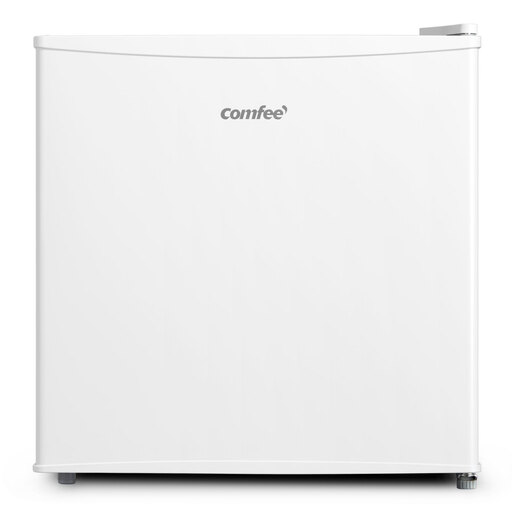
White COMFEE' RCU40WH2(E) compact freezer

COMFEE' RCU40WH2(E), white compact freezer, 31 L, Class E

Its stated 31 L capacity suits limited freezer storage, rather than replacing a large freezer without first checking how much space you need. The product name gives an energy use of 147 kWh/year, a reversible door and adjustable feet. Check the energy label for the exact model and make sure it fits the space you have in mind.

View on Joybuy
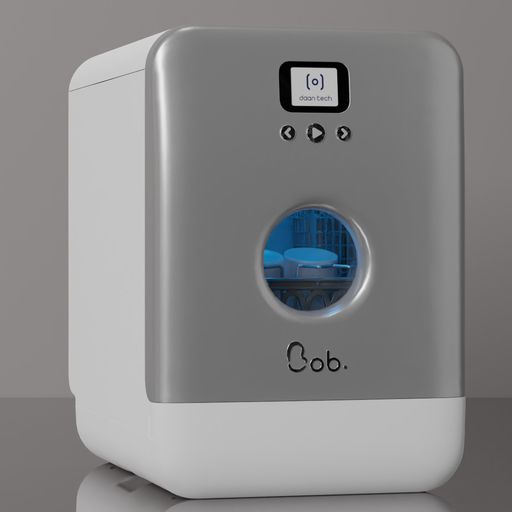
Metallic grey and white Bob compact dishwasher

Bob compact dishwasher, 3 place settings, 34 cm, metallic grey and white

This 3-place-setting model is worth considering if space and the amount of washing-up are limited. Before comparing its energy use with other dishwashers, check the energy label and Eco programme figure for the exact model. Also check the available surface, water supply and drainage.

View on Joybuy

Frequently asked questions

Can you compare a fridge’s energy rating with a washing machine’s?

Not to decide which will use less energy in your home. According to the European Commission, a refrigeration appliance’s label shows figures including kWh/year and capacity, while a washing machine’s label gives kWh/100 reference cycles. Start by comparing appliances in the same category and with a similar capacity.

Does the Eco programme figure predict my actual energy use?

No. The European Commission uses the Eco 40-60 programme as the reference for washing machines and the Eco programme for dishwashers. These figures make it easier to compare models, but the programmes you choose, your loads and how often you use the appliance may differ from the standard conditions.

Which index should I check alongside the energy label for a laundry appliance?

In France, check the durability index for the washing machine concerned or the repairability index for the dishwasher concerned. The French ministry responsible for the ecological transition says the durability index has applied to washing machines since April 2025. These indices complement an energy comparison but don’t guarantee the lifespan of any particular appliance.

Who should I contact if an appliance bought from a trader doesn’t match its description?

In France, contact the professional seller under the legal guarantee of conformity. The DGCCRF explains that this mandatory guarantee covers new, second-hand and refurbished goods sold by a professional to an individual. Any commercial warranty offered does not replace it.