
Livraison le jour même ou le lendemain

Qualité garantie

Débloquez vos offres de bienvenue: Livraison GRATUITE | Jusqu'à -80 % | 30 jours d'essai gratuits à JoyPlus
Téléchargez l'application
Is your electric toothbrush losing its effectiveness? Are the bristles on the head frayed or faded? That's a sure sign it's time for a change. Choosing the right replacement brush head is the key to impeccable oral hygiene. But with the jungle of options for Oral-B or Philips Sonicare, it's easy to get lost.
This guide is here to help you see things more clearly and find the electric toothbrush head that not only fits your brush but also meets your specific needs—whether you're looking to achieve whiter teeth, care for your gums, or tackle plaque in every nook and cranny.
To make the right choice, you need to consider three criteria. They will ensure not only an effective brushing experience but also the longevity of your device.
This is the essential starting point: verifying that the brush head is compatible with your toothbrush handle. Manufacturers use proprietary attachment systems that are rarely interchangeable between brands, and sometimes not even within the same product line.
A simple tip: before buying any toothbrush refill, take a look at the series name, which is usually written on the handle or the original box.
Once you've confirmed compatibility, the choice of head depends on your personal goals:
Dentists and manufacturers are unanimous: a brush head should be replaced every three months, no longer. Beyond that, the bristles fray, lose their effectiveness, and worse, can become breeding grounds for bacteria.
To help you remember, most modern brush heads include a wear indicator: coloured bristles that fade as you brush, signalling that it's time for a replacement. The most advanced models, connected to an app, will even send you a notification so you never miss the right time.
To guide you, here is our selection of the best current options for Oral-B and Philips Sonicare users.
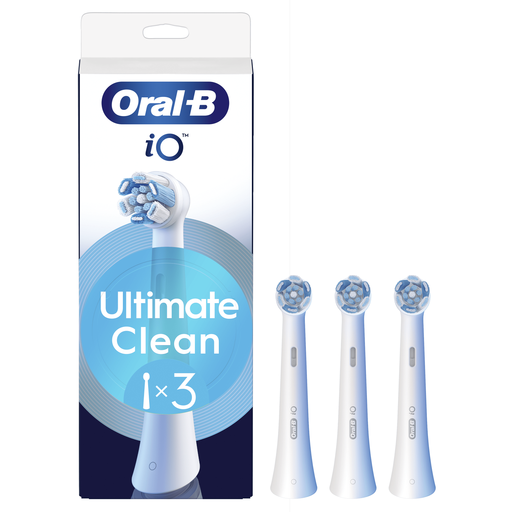
Why it stands out: Designed exclusively for the magnetic technology of the iO series, this brush head combines micro-vibrations with a unique "tuft-in-tuft" bristle design for a deep clean. Its integrated chip communicates with the handle for precise wear tracking and optimal performance with every brush.
Key features:
Who is it for? Owners of an Oral-B iO toothbrush who want to get the most out of its technology, with a clean that combines performance and gentleness.
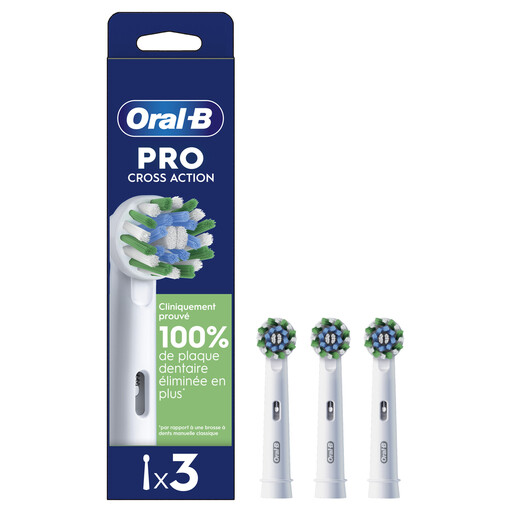
Why it stands out: This is THE gold standard for Oral-B's oscillating-rotating brushes. The secret to the Cross Action? Perfectly angled 16-degree bristles that surround each tooth to dislodge plaque where other brush heads struggle to reach.
Key features:
Who is it for? All users of classic Oral-B brushes (excluding iO) who prioritise effectiveness, with a powerful mechanical action against plaque.
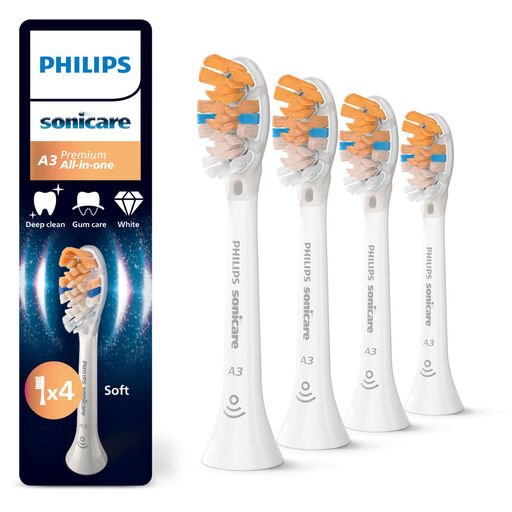
Why it stands out: As its name suggests, this Philips Sonicare brush head is the ultimate all-in-one solution. It combines different bristle shapes to tackle plaque, surface stains, and gum health simultaneously. Philips promises up to 100% whiter teeth in just two days, thanks to its triangular-shaped bristles that polish the enamel.
Key features:
Who is it for? Philips Sonicare users who want the best of all worlds (plaque, whitening, gums) without having to switch between different brush heads.
Our selection focuses on the most popular models, but the world of brush heads is much larger. Whether you have an older generation toothbrush or very specific needs (orthodontics, tongue cleaning, etc.), there is a head for you.
Feel free to explore our full catalogue to find that perfect match.
Discover all our replacement brush heads
The golden rule: every three months. You should also change it immediately if the bristles are frayed or after you've recovered from an illness (flu, cold, etc.).
The easiest way is to check the model name of your toothbrush, often written on the bottom of the handle (e.g., Oral-B iO, Philips Sonicare DiamondClean). This reference will ensure you don't make a mistake. If in doubt, our product pages always list the compatibilities precisely.
Not at all! They are simply different. A brush head for sensitive gums uses ultra-soft bristles to clean effectively without irritating the tissue. Plaque removal remains excellent, but the action is much gentler, which is ideal for people prone to bleeding or irritation.