What should you check before replacing an appliance?
Start by looking at how you use your current appliance. Then compare models in the same category, with a suitable capacity, using the measurement basis shown on their energy labels.
| Priority | What to check | My needs |
|---|
| Keep or replace |
Note the capacity and known energy consumption of your current appliance. Consider how often you use it, its condition, and whether it can be maintained or repaired. |
If my appliance still meets my needs, I want to know whether I can change how I use it before deciding to replace it. |
| Cooling appliances |
For a fridge or freezer, compare kWh/year figures for appliances with a similar usable capacity and similar features. Check the dimensions of the model you’re considering. |
My appliance runs day and night. I’m looking for enough storage space without paying for features I won’t use. |
| Washing machine |
Compare kWh per 100 cycles, water consumption per cycle, capacity, cycle duration, noise and spin performance. Relate these figures to the size of your usual loads. |
I do laundry often, but a larger capacity won’t help if the drum is regularly only partly full. |
| Dishwasher |
According to the European Commission, the energy label shows details including kWh per 100 cycles, water consumption per cycle, capacity, Eco programme duration and noise. Compare these figures across dishwashers. |
I want the place setting capacity to suit my meals and how often I run a cycle, without assuming that the Eco programme figures apply to every programme. |
| Tumble dryer |
Check the capacity and the label for the exact model. The European Commission says that the new A to G scale applies to tumble dryers displayed from 1 July 2025. Don’t compare its letters directly with those on the old scale. |
If I use a tumble dryer regularly, I want to compare appliances rated on the same energy label scale. |
| Durability |
In France, check the durability index for a new washing machine and the repairability index for a new dishwasher. Also check how you can access spare parts and repairs for the model you’re considering. |
I want to take into account whether the appliance can be kept for longer or repaired, as well as its stated energy consumption. |
A guide to brands
No brand information to display.
Fridge freezers to compare on Joybuy
These two models are options to consider if you’re looking to replace a fridge freezer. Their capacities can help you choose an appliance that suits your household. To see whether you might reduce your energy use, also compare the energy figures for the exact model with those of your current appliance.
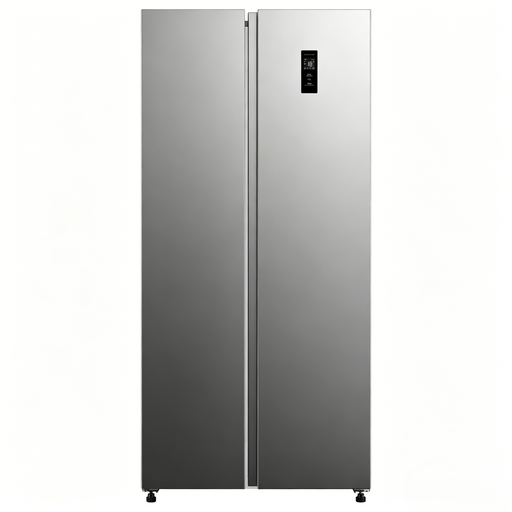 Image unavailable
Sonlu CC-520WE, 444 L fridge freezer, E rating
At 444 L, this model is worth considering if your household needs plenty of storage space. It’s described as frost-free, with a stated noise level of 40 dB. Before replacing your appliance, compare their usable capacities and the kWh/year figures on the label for the exact model. Also check the dimensions and the space needed for installation.
View on Joybuy
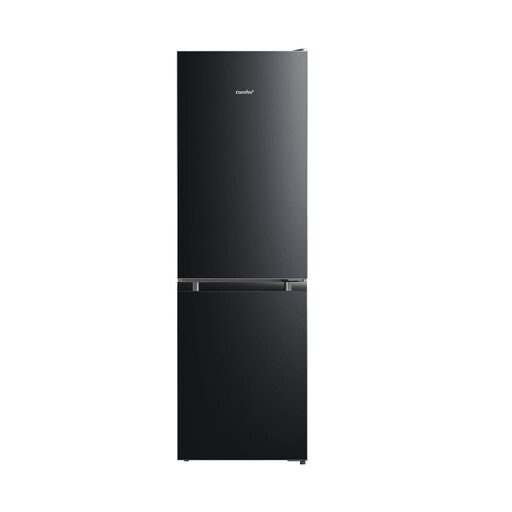 Image unavailable
Comfee' RCB169DK2(E), 174 L fridge freezer
Its 174 L capacity is worth considering if you don’t need much storage space. This model is described as having Low Frost technology, an adjustable thermostat and a reversible door. If you’re replacing your appliance to reduce electricity use, check the kWh/year figure and energy rating on the label for the exact model, then compare them with those of your current appliance.
View on Joybuy
Frequently asked questions
Is a better energy rating enough to justify replacing an appliance?
No. Also compare energy consumption using the unit shown, the capacity and the conditions in which you’ll use the appliance. For a dishwasher, for example, energy consumption is given in kWh per 100 reference cycles and water use is shown per cycle. Your usage frequency and choice of programmes may differ.
How should I compare an old fridge with a new model?
Compare their kWh/year figures, making sure they have a similar usable capacity and similar features. You can’t tell what you’ll use at home from the energy rating alone if the new model is larger or has extra features.
Which index should I check for a new washing machine in France?
Check the durability index, which is scored out of 10. According to the French ministry responsible for the ecological transition, it has replaced the repairability index for washing machines since 8 April 2025. It complements the energy label but doesn’t measure electricity consumption.
What about a new dishwasher?
According to the French ministry responsible for the ecological transition, dishwashers are among the categories covered by France’s repairability index, which is scored out of 10. Read it alongside the energy label, which provides details including energy and water consumption, capacity, Eco programme duration and noise.
What should I do with my old appliance after replacing it?
Take the electrical appliance to a collection point for waste electrical and electronic equipment. The French ministry responsible for the ecological transition reminds consumers that these appliances can contain components that pose environmental risks, as well as recyclable materials. Check what take-back or collection options are available near you.


