If you already have induction-compatible cookware
If most of your saucepans and frying pans have a ferromagnetic base, focus on comparing the number and size of the cooking zones. For larger dishes, check whether the model has a flexible zone too.


Choose induction if your cookware has a compatible ferromagnetic base and its dimensions suit the zones on the model you’re considering. A ceramic hob means magnetic compatibility isn’t a requirement for use. A mixed hob lets you keep gas and induction on the same surface, but you’ll need to check the layout of the cooking zones and the installation requirements.
Your choice depends as much on the cookware you already own as on the dishes you prepare at the same time.
If most of your saucepans and frying pans have a ferromagnetic base, focus on comparing the number and size of the cooking zones. For larger dishes, check whether the model has a flexible zone too.
If several of your pans aren’t suitable for induction, weigh up replacing just those items against choosing a ceramic hob. A mixed hob is also worth considering if you want to keep cooking with gas.
If you regularly use a fish kettle, oval casserole dish or large stockpot, the shape and size of the cooking zones matter more than their number alone. Depending on the model, some induction hobs can join two zones together or offer a flexible cooking area.
Consider it: if your usual cookware has a ferromagnetic base that’s suitable for the hob’s cooking zones.
Bear in mind: you’ll need to replace any incompatible items if you want to keep using them on this hob.
Consider it: if you don’t want to rely on your cookware having a magnetic base.
Bear in mind: it heats using radiant or halogen elements, not induction.
Consider it: if you want to keep both cooking methods on the same hob.
Bear in mind: the cooking zones are split between gas and induction, and the number of each varies by model.
To compare these options, start with your main priority, then check the model’s features and make sure it’s suitable for your kitchen.
| Criteria | What to check | Who it matters to |
|---|---|---|
| Cookware compatibility | Test the bases with a magnet, then check which pan base diameters are suitable for each induction zone. | I want to keep the saucepans and frying pans I use often, without finding out after buying the hob that they won’t heat up on induction. Around 36% of consumers would make this compatibility their top priority. |
| Number of cooking zones | Compare the available zones and their sizes with the cookware you use at the same time; check the cut-out dimensions too. | When I’m preparing several dishes at once, I need enough usable space for the pans I usually cook with. Around 29% of consumers would prioritise this layout. |
| Large cookware | Measure the base of your largest pans and dishes, and check whether there’s a flexible or Bridge zone and what its dimensions are. | I use my oval casserole dish or long roasting dish regularly, so a zone that suits its shape matters more to me than having an extra cooking zone. Around 21% of consumers would prioritise this need. |
| Gas and induction | Check how the cooking zones are arranged on the mixed hob and whether your home’s gas supply meets its requirements. | I want to keep cooking with gas while also having induction zones on the same hob. Keeping both cooking methods would come first for around 14% of consumers. |
According to UFC-Que Choisir, a saucepan without a compatible ferromagnetic base won’t heat up on an induction zone. The base diameter must also be suitable for the model.
Make a list of the cookware you use regularly, test the bases with a magnet and check the hob’s instructions before deciding what to keep or replace.
Four separate zones won’t necessarily suit a long dish. The Bridge function on some Electrolux models joins two zones together, but it isn’t available on every hob from the brand.
Compare the dimensions of your largest cookware with the zones on the model you’re considering, then check its cut-out dimensions.
On a mixed hob, some of the cooking zones are for gas. The layout varies by model and may reduce the number of dishes you can cook at the same time using induction.
Count the gas burners and induction zones separately, then compare the layout with the way you usually cook.
Replacing your hob means taking your actual electrical installation and the manufacturer’s installation instructions into account. Promotelec lists a hob among the appliances supplied by a dedicated circuit in the home.
Before buying, have the model’s requirements checked against your installation. If you’re unsure, ask an electrician for advice.
An on-site assessment, or even changes to your installation, may add to the cost of replacing your hob.
These examples can help you identify different configurations, but features aren’t necessarily the same across every model from a brand.
The range includes ceramic and induction hobs, with some models featuring a Bridge function.
Some induction models offer flexible zones designed for larger cookware.
The range of mixed hobs combines gas burners and induction zones on the same hob.
These products give you the chance to compare a ceramic hob, an induction hob and a cookware set to consider if you’re adding to your induction-compatible collection. Check each hob against your cookware and your kitchen’s installation.
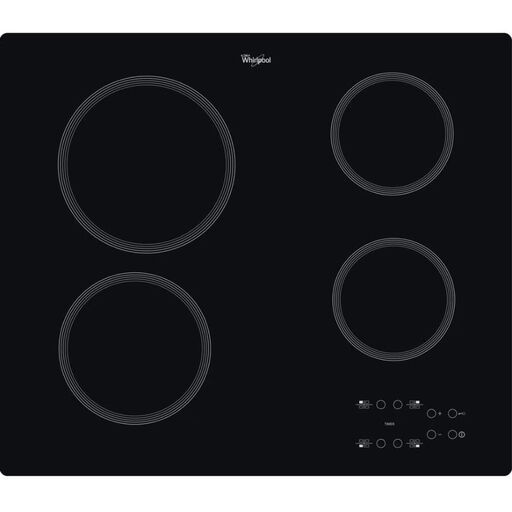 Image unavailable
Worth considering if you want to replace your hob without needing your cookware to have a magnetic base. The product name specifies four cooking zones; check their dimensions and make sure the hob is suitable for your worktop and electrical installation.
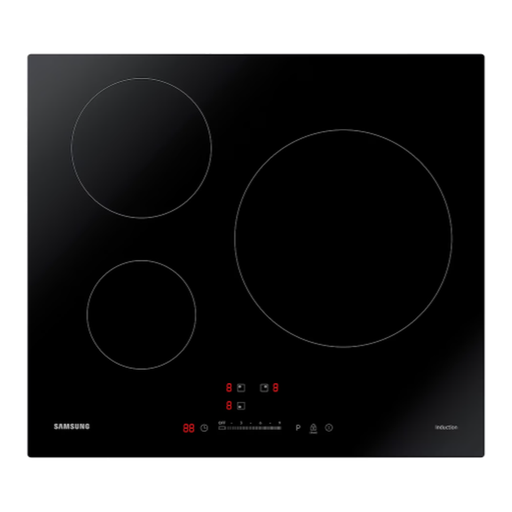 Image unavailable
Worth considering if three zones suit the dishes you prepare at the same time and your cookware is induction-compatible. Check the base diameters accepted by each zone and make sure the model is suitable for your home’s electrical installation.
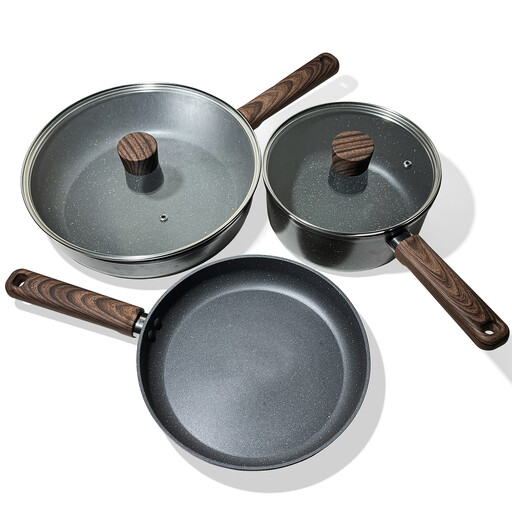 Image unavailable
Worth considering if you want to add to the cookware you use with an induction hob rather than replace your entire collection. Check each item’s compatibility marking and dimensions against your hob’s zones.
Check whether a magnet sticks to the base, then look for the compatibility symbol and check the cookware dimensions allowed in the hob’s instructions. Electrolux France also recommends using a base that’s as flat as possible. The material name alone isn’t enough to confirm that a saucepan will work on every zone.
It’s worth considering if you regularly use large cookware or long dishes whose bases don’t fit well on a standard cooking zone. A Bridge function can join two zones together, as on the EIV734 model featured by Electrolux France. However, check which shapes and dimensions are suitable for the hob you choose.
Before ordering, compare the model’s installation requirements with your existing electrical installation. In France, Promotelec lists a hob among the appliances supplied by a dedicated circuit. If you’re unsure about your home’s circuit, ask an electrician to assess it rather than relying on the product listing alone to confirm compatibility.
No, not if it’s still in good condition: ADEME says it can be donated or resold. First, sort through the items you actually use; for anything that’s too worn, find out how to dispose of it responsibly.