Which criteria should you compare?
The ADEME points out that refrigeration appliances run continuously and that choosing a larger model or one with more capacity than you need can push up your bills. The European energy label shows the energy rating, annual kWh consumption and compartment capacities, among other details.
| What matters to you |
What to check |
Who this matters most to |
| Whether replacing it makes sense |
Compare the annual kWh consumption of your old appliance with that of a new model offering suitable capacity and performance; apply your tariff to the difference. |
I want to check whether the electricity costs I could avoid would justify buying a new appliance before replacing one that still works. Around 36% of consumers prioritise making sure replacement is worthwhile. |
| How the capacity is divided |
Compare fridge and freezer capacity in litres separately; check the dimensions and the space available for installation. |
I regularly store fresh and frozen food and want each compartment to suit my habits, without paying for capacity I don’t need. Around 29% of consumers prioritise how the capacity is divided. |
| A dedicated freezer |
Compare the freezer capacity you need with that of a fridge-freezer; add the freezer’s annual kWh consumption to the energy use of the appliances you’ll keep. |
I stock up on frozen food and need to know whether a separate compartment would be useful, without overlooking the energy use of an extra appliance. Around 21% of consumers put this need first. |
| Features and size |
Compare the annual kWh consumption and dimensions of the exact models; check the conditions behind any energy-saving claims linked to a feature. |
I’m looking for an appliance that will fit my space and has only the features I’ll use, rather than a larger model or options chosen by default. Around 14% of consumers prioritise avoiding unnecessary features and oversized appliances. |
Joybuy products for these needs
This Joybuy selection features fridge-freezers and a dedicated freezer, so you can compare capacities, features and stated energy consumption to suit your storage needs.
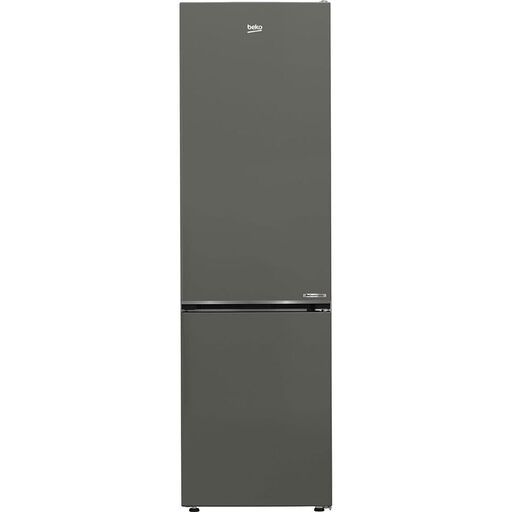 Image unavailable
Beko B5RCNE406HG, 355 L fridge-freezer, Total No Frost, energy rating C
This fridge-freezer may suit you if you use both the fridge and freezer compartments and want to compare their capacity with your actual needs.
Energy rating C; stated consumption: 240 kWh/year; total capacity: 355 L, split into approximately 249 L for the fridge and 106 L for the freezer; Total No Frost.
Joybuy
 Image unavailable
Heinrich´s, 161 L freezer, No Frost, energy rating C
This dedicated freezer may suit you if you need extra space for frozen food alongside a fridge-freezer.
Stated capacity: 161 L; energy rating C; No Frost; three drawers and two trays.
Joybuy
 Image unavailable
Haier HTW5618ENMG, 360 L three-door fridge-freezer, energy rating E
This fridge-freezer may suit you if you want to compare fridge and freezer capacities separately.
Stated consumption: 271 kWh/year; total capacity: 360 L, split into 235 L for the fridge and 125 L for the freezer; Total No Frost.
Joybuy
 Image unavailable
Sonlu CC-520WE, 444 L fridge-freezer, energy rating E
This large model may suit you if your storage needs justify its total capacity. Compare it with the space you have available and its annual kWh consumption.
Stated total net capacity: 444 L; consumption: 289 kWh/year; energy rating E; Total No Frost; stated noise level: 40 dB.
Joybuy
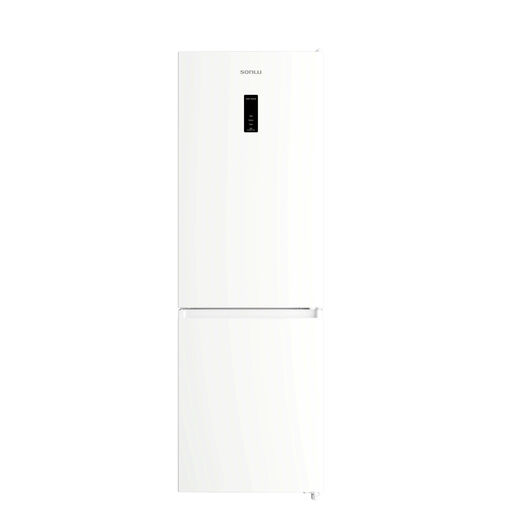 Image unavailable
Sonlu CD-350RW, 310 L fridge-freezer, energy rating E
This fridge-freezer may suit you if the split between fridge and freezer capacity meets your needs and its width fits the space available.
Stated total capacity: 310 L, including 211 L for the fridge and 99 L for the freezer; stated width: 60 cm; energy rating E; reversible door.
Joybuy
Frequently asked questions
How do I compare the energy use of my current appliance with a new one?
Compare their energy consumption in kWh/year: establish a representative figure for your existing appliance, then check the figure on the energy label of the exact new model. Multiply the difference by the price per kWh on your tariff and weigh the result against the total purchase cost. Actual energy use may differ from the figure on the label.
Does a better energy rating guarantee lower bills?
No. The energy rating alone can’t guarantee lower bills. The European Commission explains that the label shows the A to G rating, annual kWh consumption and capacities separately. Compare the annual energy use of models with capacities and features that meet similar needs.
How do I choose between a fridge-freezer and a separate freezer?
A fridge-freezer is suitable if you regularly use both its fridge and freezer compartments; a separate freezer may be better if you mainly need space for frozen food. Compare usable capacity in litres and annual kWh consumption, taking into account the energy use of any appliance you’ll keep plugged in.
Which electricity tariff should I use for the calculation?
Use the price per kWh that applies to your tariff and tariff option. If you’re on an Economy 7-style tariff, prices vary by time of day; the national energy ombudsman explains how these options work.
What temperature should I check in a fridge I’m keeping?
The Anses recommends keeping the coldest part of your fridge between 0 °C and 4 °C. This guidance relates to food storage; on its own, it doesn’t determine whether replacing the appliance makes financial sense.


