What should you compare before replacing an appliance?
To decide what to look at first, start with the condition of your current appliance and how you actually use it, then compare models in the same category. ADEME and the European Commission define the reference units to check; they don’t predict the bill for an individual household.
| What matters |
What to check |
Who it matters most to |
| Energy use and fridge capacity |
Compare kWh/year and the usable capacity of each compartment in models suited to your storage needs. |
If I need to replace a fridge that runs continuously, I want a suitable capacity without defaulting to a large model. Around 40% of consumers prioritise refrigeration. |
| Dishwasher capacity and cycles |
Check the number of place settings, kWh per 100 eco cycles, litres per eco cycle, programme duration and noise level. |
When I run the dishwasher regularly, I want its capacity to match the amount of washing-up I actually accumulate. Around 30% of consumers prioritise this use. |
| Hob and installation |
Check the type of hob, the cooking zones you need, the dimensions, compatible cookware and the model’s connection requirements. |
If I cook often, I want a hob that suits the dishes I prepare and my installation. Around 20% of consumers prioritise the hob. |
| Oven capacity and use |
Compare the capacity in litres and the kWh per cycle for the cooking mode you actually use. |
If I use the oven often, I want a cavity that suits my dishes and the space available. Around 10% of consumers prioritise replacing the oven. |
Appliances available on Joybuy for these projects
These models cover refrigeration, dishwashing and cooking. Compare their capacities and features with your needs, available space and installation requirements.
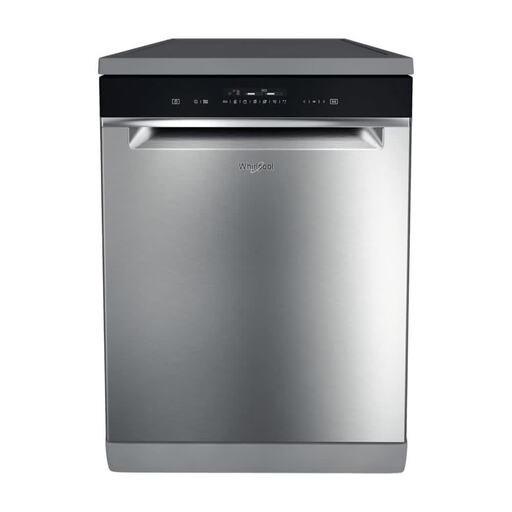 Image unavailable
Whirlpool WFP5O41PLGX, freestanding dishwasher, 60 cm
Its stated capacity of 14 place settings can be compared with the amount of washing-up you usually accumulate.
Class C; 75 kWh per 100 cycles and 9.5 L per eco cycle. This model has 11 programmes, a half-load option and a third cutlery drawer.
View on Joybuy
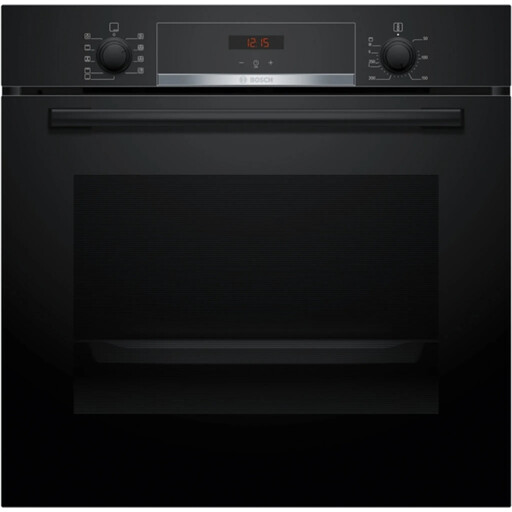 Image unavailable
Bosch HBA514BB3, built-in oven, 71 L
Its stated capacity of 71 L should be considered alongside the dishes you prepare and the space available for installation.
The description gives energy use per cycle for different cooking modes and niche dimensions of 58.5–59.5 cm high, 56–56.8 cm wide and 55 cm deep. Check these measurements before installation.
View on Joybuy
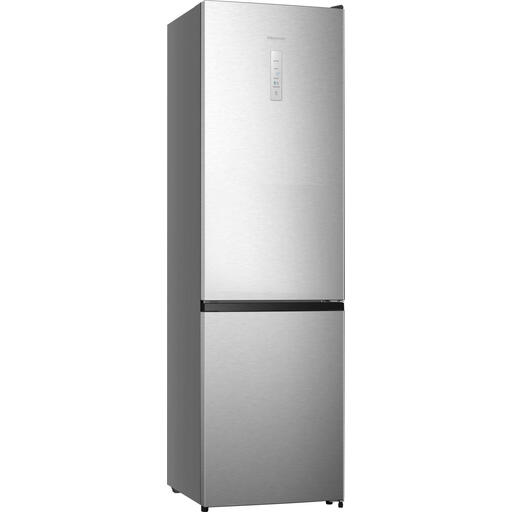 Image unavailable
Hisense RB440N4CCB, freestanding fridge-freezer, 336 L
Its separate compartments let you check whether the fridge and freezer capacities suit your storage needs.
Class B; 135 kWh/year. Stated total capacity of 336 L, split between 238 L for refrigeration and 98 L for freezing.
View on Joybuy
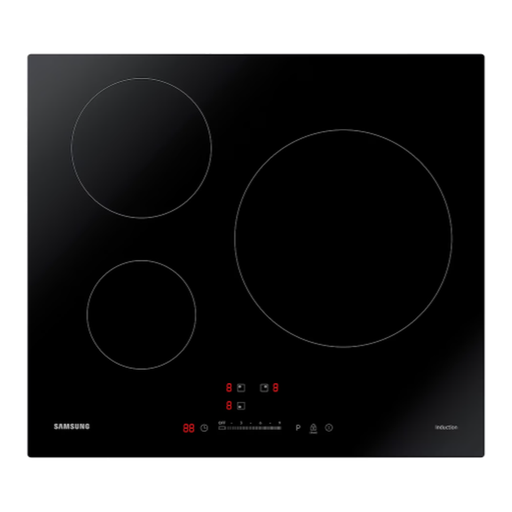 Image unavailable
Samsung NZ63M3707AK, induction hob, 3 zones
Its three zones may suit you if they match the dishes you prepare and the cookware you use. Hobs do not have a European energy label.
Stated total power: 7 200 W. Installation requires a dedicated 32 A connection installed by a qualified electrician, and cookware compatible with induction.
View on Joybuy
 Image unavailable
Comfee' CDWMTO201D(W), countertop dishwasher
Its compact design is presented as suitable for households of 2 to 3 people and small kitchens. Check that it can handle your usual load.
Class D, six programmes and an integrated 5 L water tank. Connecting it to a tap is optional, and the tap adapter is not included.
View on Joybuy
Frequently asked questions
Can you directly compare the energy ratings of a fridge, dishwasher and oven?
No. It’s better to compare appliances in the same category and use their reference units. The European Commission gives kWh/year for refrigeration, kWh per 100 eco cycles for dishwashers, and kWh per cycle for ovens by cooking mode, among other information. The displayed scales are not directly comparable.
Does an electric hob need an energy label?
No. According to the European Commission, domestic hobs are not subject to mandatory European energy labelling. Check the model’s specifications, compatible cookware and connection requirements, rather than assigning it an energy rating.
How can you estimate an appliance’s running cost without promising savings?
Use the kWh for the way you use the appliance and the price per kWh on your tariff over the same period. For a dishwasher, base your estimate on the eco cycles you genuinely expect to run; for an oven, use the energy consumption per cycle for the mode you use. ADEME’s benchmarks are not personalised forecasts or guarantees of savings.
What should you check before installing a hob or built-in appliance?
Measure the available space and check the requirements for the model in its manual before buying. For an induction hob, have a professional check that the planned connection meets the requirements of the model and your installation. Don’t assume that any electrical work will be included in the installation.
Do you always need to replace a broken appliance?
No. First ask for a diagnosis or repair quote. In France, the repair bonus may reduce the cost of repairing certain appliances that are out of warranty, if the work is carried out by an approved repairer. Check with the professional whether the appliance and repair are eligible.


