
Livraison le jour même ou le lendemain

Qualité garantie

Débloquez vos offres de bienvenue: Livraison GRATUITE | Jusqu'à -80 % | 30 jours d'essai gratuits à JoyPlus
Téléchargez l'application
Rough hair after washing, tangling ends, curls that lack bounce or colour that looks dull : a repairing and nourishing hair mask can be an effective addition to a rinse-out haircare routine. The key is to choose a formula suited to your hair type and use it correctly.
The promise of “repair” does not mean that damaged hair fibres will be permanently restored. In practice, a treatment can mainly coat the surface, make detangling easier, reduce the sensation of dryness and soften the lengths. Here are the criteria to consider before buying, followed by a selection suited to different needs.
A hydrating hair mask mainly provides ingredients that help the hair fibre retain water and stay supple, such as glycerine, aloe vera and certain humectants. A nourishing hair mask relies more on fats, oils and butters to improve the comfort of dry lengths.
Cosmetic repair often relies on conditioning agents, hydrolysed proteins, amino acids or silicones. The right choice therefore depends on the issue you are experiencing : puffy, dull hair, dry ends, heat-related breakage or curly hair that is difficult to manage.
The term “naturally derived” is not enough to tell you about the texture, fragrance or result you can expect. Conversely, a silicone-free hair mask is not automatically better suited to every hair type. Silicones can make detangling easier and reduce friction, although some people prefer to avoid them for formulation-related reasons.
Check the INCI list, look for any fragrance allergens and follow the rinsing instructions. If you are looking for organic certification, choose a clearly identified organisation such as COSMOS Organic by Ecocert Greenlife, rather than relying on a simple reference to “organic”.
A 500 ml tub is suitable for regular use at home, while a 25 or 100 ml format can be handy for trying a texture or travelling. A very rich formula applied every day to fine hair may weigh it down. Conversely, a small, lightweight mask may not be sufficient for very dry or chemically treated hair.
For a mask for dry and damaged hair, choose a creamy texture containing conditioning agents, oils or butters. Fragile and bleached hair may benefit from a formula enriched with proteins, amino acids or ceramides. These ingredients do not permanently rebuild the hair fibre, but they can make the hair feel more coated and easier to style.
Curly hair needs a balance between nourishment and lightness. A formula that is too rich may reduce volume or loosen curls. For a curly hair mask, look for clear information about definition, suppleness and protection against humidity.
Most masks are applied to clean, towel-dried hair, mainly from the mid-lengths to the ends. Removing excess water prevents the product from becoming diluted. Then follow the stated leave-on time : three to five minutes for a regular treatment, or up to ten minutes for a richer formula.
Some products do, however, have specific instructions. Avril’s nourishing mask for dry hair is used before shampooing, while the Tsubaki New Version mask is presented as being able to work even with a quick rinse, according to the information on its product page.
A certified organic product must display its certification on the packaging. The Avril mask for normal hair claims 98 % naturally derived ingredients, 11 % from organic farming and COSMOS Organic certification by Ecocert Greenlife. These details provide information about the composition and certification, but do not guarantee the same result for every user.
Before using the product for the first time, check the ingredients list. If the product gets into your eyes, rinse thoroughly. If irritation occurs, stop using the product immediately. The safety instructions on the packaging always take priority.
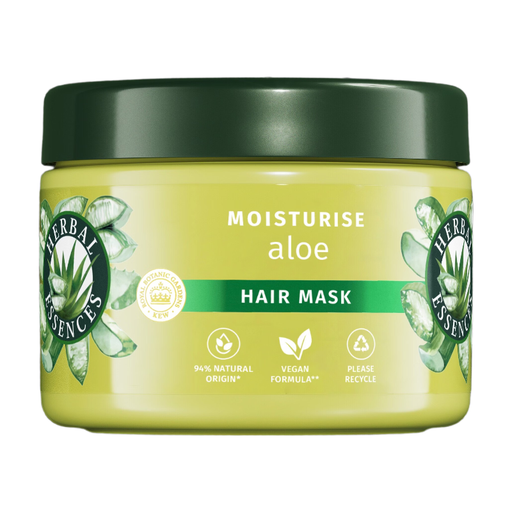
Why this choice suits this profile : Its large format and three- to five-minute leave-on time fit easily into a simple routine for dry hair, with no complicated steps.
The product page specifies application to the mid-lengths and ends, followed by thorough rinsing, which helps reduce the risk of overloading the scalp.
500 ml, aloe vera and coconut fruit extract listed in the ingredients, with a short leave-on time.
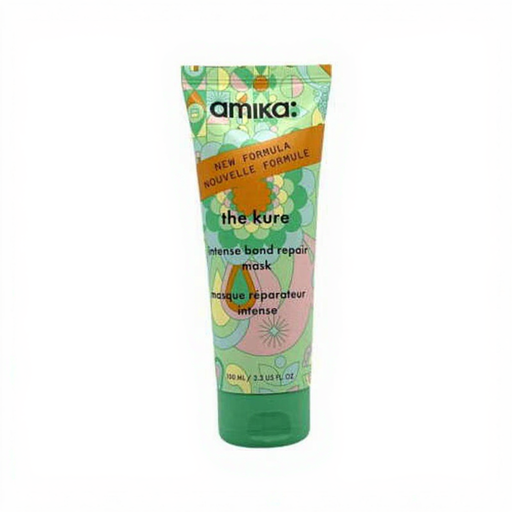
Why this choice suits this profile : Its 100 ml format and ten-minute leave-on time suit anyone looking for a targeted treatment to use each week.
The product page specifies that it is used instead of conditioner, which is useful for avoiding the build-up of several rich treatments.
Shea butter, mango butter, borage oil and sea buckthorn oil appear in the list provided by the brand. The product is presented as suitable for colour-treated hair.
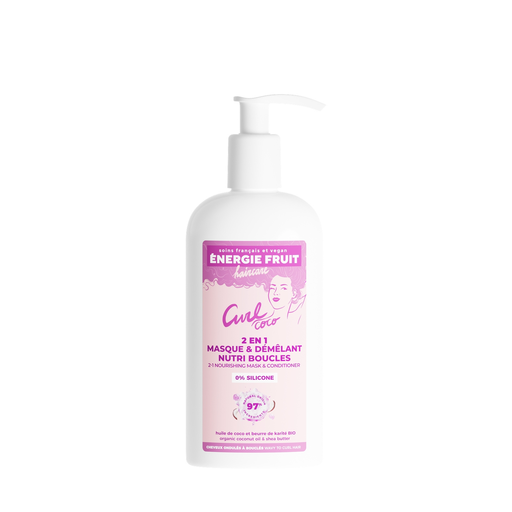
Why this choice suits this profile : This formula is specifically designed for curly and coily hair, with recommended use once or twice a week.
The product states that it is silicone-free and made with 97 % naturally derived ingredients, making it easy to check two formulation preferences at a glance.
Coconut oil and shea butter are included in the formula. The brand also promises improved curl definition and protection against humidity.
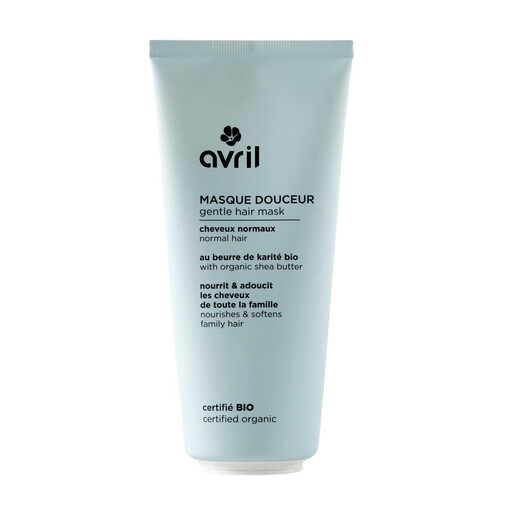
Why this choice suits this profile : People with normal hair looking for a lightweight weekly treatment may find this formula suitable, as it is designed to nourish without leaving hair feeling heavy.
The certification and percentages of naturally derived ingredients are clearly documented, unlike formulations that merely make vague references to plant-based ingredients.
The product page states that it contains 98 % naturally derived ingredients, 11 % from organic farming, is vegan and made in France.
We have put together a comprehensive, real-time updated selection of products that meet these strict criteria and European safety regulations.
On colour-treated or chemically treated hair, you can alternate a nourishing mask with a lighter treatment. Heat, friction and tight hairstyles remain causes of breakage : a repairing hair mask does not remove the need to limit this everyday damage.
Once or twice a week is generally suitable for dry or damaged hair. Fine or low-porosity hair may need treatments less frequently. Judge the result after drying : if your hair loses volume or feels sticky, use less product or space out treatments.
It depends on the formula. Many treatments are used for three to five minutes, while an intensive hair treatment may require up to ten minutes. Leaving the product on for longer every time does not necessarily improve the result and may make rinsing more difficult.
Yes, provided the formula contains enough conditioning agents and nourishing ingredients. However, the term “silicone-free” describes a formulation feature, not the level of repair provided by the treatment. When choosing a treatment for fragile hair, also check for oils, butters, proteins, amino acids or ceramides, as well as the recommended directions for use.