
Livraison le jour même ou le lendemain

Qualité garantie

Débloquez vos offres de bienvenue: Livraison GRATUITE | Jusqu'à -80 % | 30 jours d'essai gratuits à JoyPlus
Téléchargez l'application
Hair dried out by colouring, split ends, frizz the moment humidity sets in, or curls lacking definition – a repairing hair mask can be the perfect addition to your home routine. That is, provided you choose a formula suited to your hair type. The promise of “repair” doesn’t mean a treatment can permanently rebuild damaged hair. It generally refers to a cosmetic effect: hair that feels softer, shinier, smoother and easier to style.
Before you place your order, there are three pitfalls worth watching out for.
A mask for dry and damaged hair rich in oils and butters often works well for thick, porous hair or hair weakened by heat styling. On fine hair, however, a too-rich texture can quickly weigh down the roots and flatten volume.
Curly and coily hair usually needs a balance of nourishment, hydration and slip. A curly hair mask containing, for example, shea butter, coconut oil or panthenol can help with detangling and help curls hold their shape. Even so, a light hand is key to avoid weighing them down.
If you follow a routine without silicone-based smoothing agents, look for the words silicone-free and check the INCI list. The products featured below are based on different formulations:
Ingredient lists can change. Always check the packaging of the product you receive, especially if you have a known allergy or sensitivity.
A deep hair treatment is typically applied once or twice a week, on washed, towel-dried hair. Formulas that need just a few minutes are easy to fit into a quick routine, while a treatment requiring 5 to 10 minutes calls for a little more planning.
The size and how you use it are also worth a look. A 400 or 500 ml pot is great for long or thick hair, while a 100 to 125 ml size lets you test a formula or take it with you more easily. For regular use, compare the price per 100 ml rather than just the listed price.
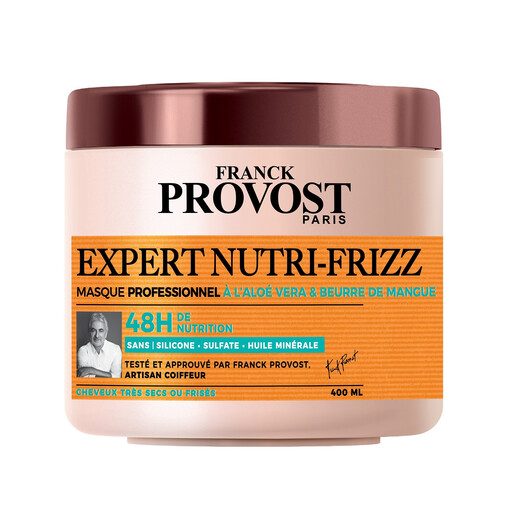
Why this suits this profile: Its large size and dual use – as a conditioner or a mask – make it easy to gradually introduce this treatment into a routine for very dry or frizz-prone hair.
The listing states a silicone-free, sulphate-free and mineral oil-free formula, with a flexible leave-in time of 2 to 15 minutes.
400 ml, aloe vera, mango butter and versatile use.
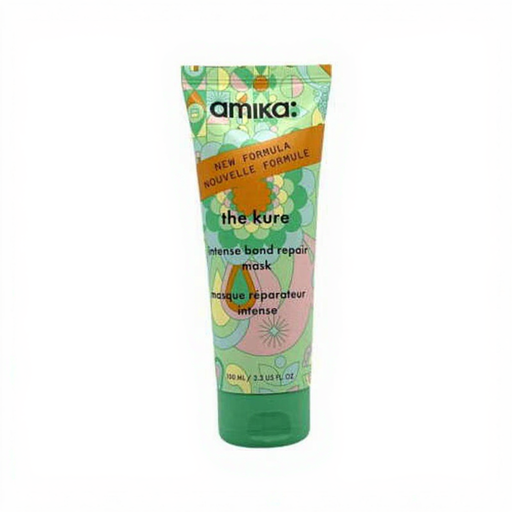
Why this suits this profile: Its 100 ml size is ideal for a targeted routine, especially for coloured, dry hair or hair regularly exposed to heat.
The listing recommends weekly application with a 10-minute leave-in time. Its formula combines conditioning agents, plant butters and borage oil.
A concentrated treatment, advertised as suitable for coloured hair, with shea butter and mango butter.
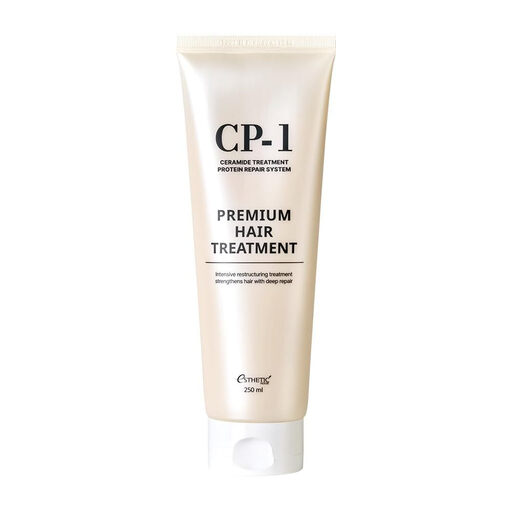
Why this suits this profile: This rich formula is designed for hair that’s been put through its paces by colouring, bleaching or repeated heat styling.
The listed ingredients include amino acids, ceramides, hydrolysed proteins and several conditioning agents.
A leave-in time typically stated as 3 to 5 minutes and the presence of ceramide NP in the listed ingredients.
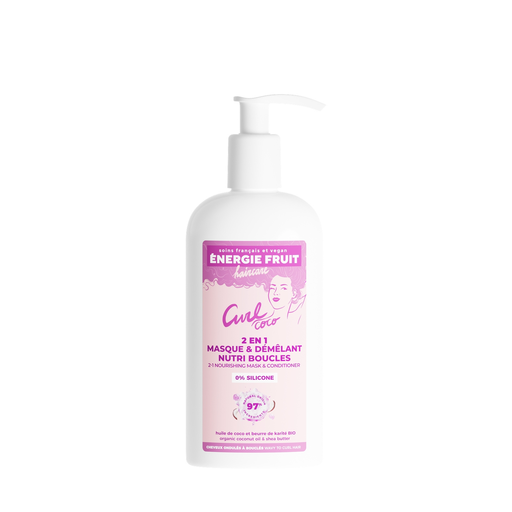
Why this suits this profile: Its formula targets curly and coily hair, focusing on nourishment and definition – two common needs for these textures.
The listing states a silicone-free formula and recommends use once or twice a week, which reduces the risk of over-application.
Organic coconut oil, shea butter and 300 ml for a regular routine.
We’ve put together a full, real-time updated selection of products that meet these exacting criteria and European safety standards.
An anti-frizz mask can temporarily improve the look of the hair’s surface. However, no cosmetic product can permanently mend very split ends. A regular trim remains the only way to mechanically remove damaged sections.
One to two applications per week works well for most routines. Fine hair may need a smaller amount or a shorter leave-in time. Very dry, thick or chemically treated hair can handle more frequent treatment, as long as it doesn’t become heavy or dull.
A nourishing hair mask typically relies on oils, butters and emollients to soften the hair fibre. A hydrating hair mask contains ingredients that attract or retain water, such as glycerin or aloe vera. In practice, formulas often combine both approaches.
No. It all depends on your preferences and the effect you’re after. A silicone-free hair mask can fit into a routine that limits smoothing agents. Silicones, on the other hand, often make detangling easier and give a smoother surface feel. Check the ingredients and see how your hair responds after several uses.