
Livraison le jour même ou le lendemain

Qualité garantie

Débloquez vos offres de bienvenue: Livraison GRATUITE | Jusqu'à -80 % | 30 jours d'essai gratuits à JoyPlus
Téléchargez l'application
Dry hair, split ends, dull curls or lengths weakened by colouring: a repairing hair mask can be a great addition to your hair care routine, provided you pick a formula that truly suits your needs. Promises of instant shine and deep repair aren't enough to tell products apart.
Here are the criteria to look at so you can avoid disappointing purchases and choose a deep hair treatment that works with your hair type, washing frequency and formulation preferences.
A mask for dry and damaged hair might contain hydrating agents like glycerin, plant oils or nourishing butters. Other formulas focus on conditioning agents, hydrolysed proteins or silicones, which help with detangling and soften the feel.
These functions don't fully overlap:
A very rich treatment isn't necessarily right for fine hair, which can quickly lose its volume.
The term "repairing" mainly describes the product's cosmetic positioning. It doesn't mean a broken fibre or split end will be permanently restored. A mask can improve the look, softness and manageability of your hair, but very damaged ends sometimes just need a trim.
The results a brand highlights should also be taken in context. The figures claimed for Amika The Kure, for example, come from clinical tests cited by the brand; they don't guarantee the same result for every user.
A formula described as natural, vegan or silicone-free should be checked on the packaging and in the INCI list. The "silicone-free" claim doesn't guarantee the treatment will be lightweight, while a formula that contains silicones isn't automatically unsuitable for coloured or curly hair.
The format also deserves your attention. A 25 ml pot can be handy for testing a product or travelling, whereas a 300 to 500 ml size will be better suited to regular use.
For very dry, thick, curly or heavily sensitised hair, a creamy texture enriched with shea butter, oils or conditioning agents can be a good choice. Fine hair will often prefer a small amount, applied only to the mid-lengths and ends.
A curly hair mask should provide flexibility without weighing curls down. Silicone-free formulas, particularly some treatments based on flax or shea, can meet the expectations of those who want to limit smoothing agents.
It's better to read the INCI list than to rely solely on the product name. Glycerin, plant oils, hydrolysed proteins, amino acids, ceramides and conditioning agents address different needs.
For a mask for brittle hair, look especially for a combination of nourishing and conditioning agents. For a mask for coloured hair, favour gentle application, thorough rinsing and a formula that works with your current routine. If you're sensitive to fragrances, also look out for declared perfume allergens such as limonene, linalool or coumarin.
A hydrating hair mask is usually applied after shampooing, on towel-dried hair, following the time stated on the packaging. Some products need no waiting time, while others require between 3 and 10 minutes.
To start with, one weekly application is generally enough to see how your hair responds. More frequent use can suit very dry hair, but an excess of nourishing or protein agents can make lengths feel less supple. So adjust the amount and frequency based on how your hair feels.
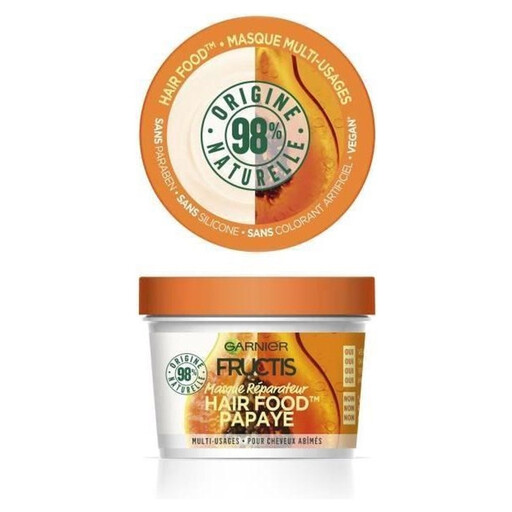
Why this choice suits this profile: Its 390 ml size is ideal for regular use, and its vegan formula can be used as a mask, conditioner or leave-in treatment.
Its versatility lets you adjust the amount and application time, rather than always applying a thick layer.
Papaya and amla extracts, vegan formula and family-sized 390 ml format.
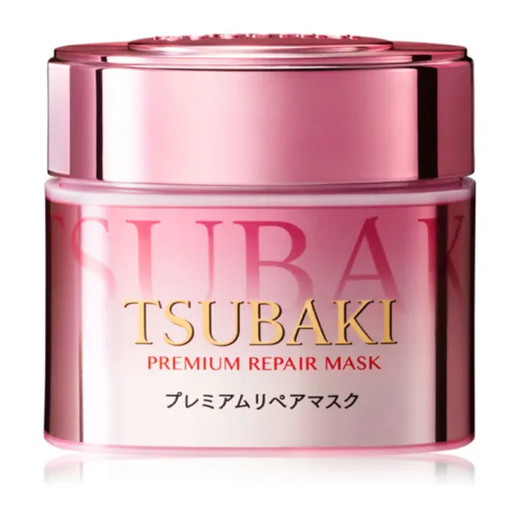
Why this choice suits this profile: This Japanese repairing mask combines a rich texture, camellia oil, royal jelly and hydrolysed proteins to care for weakened hair.
The ingredient list lets you identify conditioning agents and silicones, rather than relying only on the promise of shine.
180 g format, Camellia japonica oil and amino acids listed in the composition.
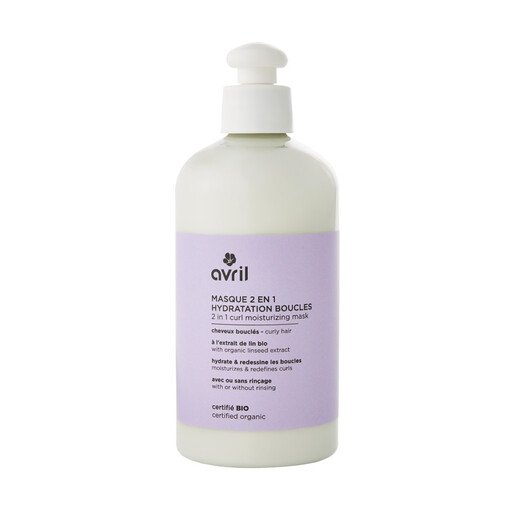
Why this choice suits this profile: Wavy to curly hair can use it as a rinse-out mask or a leave-in treatment, depending on the level of definition you're after.
Its silicone-free formula and dual use make it easy to adjust your routine, especially to avoid weighing curls down.
99% naturally derived ingredients claimed, Cosmos Organic certification and vegan formula.
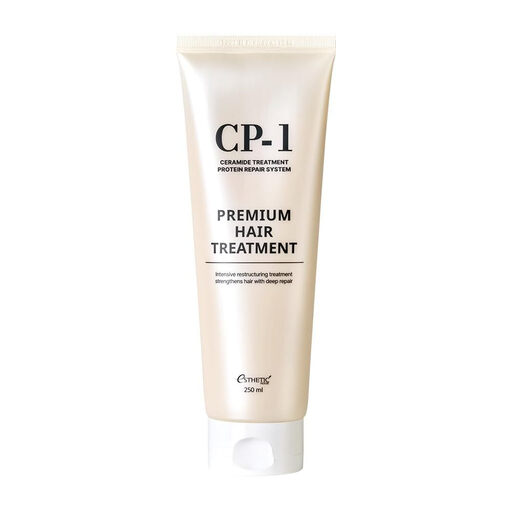
Why this choice suits this profile: Hair damaged by heat, colouring or styling tools can benefit from a formula combining amino acids, ceramide and hydrolysed proteins.
The stated application time of 3 to 5 minutes makes it easy to fit the treatment into a realistic routine without monopolising the bathroom.
250 ml format, contains ceramide NP, hydrolysed keratin and several amino acids.
We've put together a comprehensive, real-time selection of products that meet these strict criteria and comply with European safety regulations.
After shampooing, gently squeeze out excess water from the lengths to avoid diluting the product. Distribute the mask from the mid-lengths to the ends, then leave it on as directed. Generally avoid the roots, unless the product is specifically designed for the scalp.
Rinse thoroughly with lukewarm water. On curly hair, you can gently detangle with your fingers or a wide-tooth comb. If you have sensitive skin, first test the product on a small area and stop using it at the first sign of irritation.
One to two applications per week is a common rhythm for a deep treatment. Very dry or brittle hair may need a different frequency, while fine hair will often benefit from a lighter, more spaced-out dose.
Refer to the open-jar symbol and the period stated on the packaging. The durability date, batch number and manufacturer's instructions should remain legible. Close the product carefully and store it away from heat and direct light.
It can be perfectly suitable, but the absence of silicone alone doesn't determine the treatment's compatibility. Look at its texture, conditioning agents, fragrance and usage recommendations. For coloured, curly or very dry hair, the choice should mainly consider porosity, thickness and washing frequency.