
Livraison le jour même ou le lendemain

Qualité garantie

Débloquez vos offres de bienvenue: Livraison GRATUITE | Jusqu'à -80 % | 30 jours d'essai gratuits à JoyPlus
Téléchargez l'application
Dry, brittle, porous or hair weakened by colouring: repairing hair care products don’t all meet the same needs. A pretty package or a promise of “intense repair” isn’t enough to make the right choice.
Before you place an order, take a close look at the texture, how to use it, the ingredients and whether it suits your hair type. Here are the criteria to keep in mind to avoid disappointing purchases and find a conditioner for dry and damaged hair, a repairing hair mask or a leave-in treatment that’s genuinely right for you.
From the very first use, some products make hair softer, shinier or easier to detangle thanks to smoothing agents, oils or silicones. The result is visible and feels immediate, but that doesn’t necessarily mean the hair fibre has been “repaired” deep down.
Claims like “anti-split end” or “reconstruction” should therefore be seen as indications of the product’s positioning. A split end that has already appeared cannot be fused back together: an anti-split end treatment can temporarily smooth the ends, but only a trim can remove the badly damaged part.
A nourishing hair treatment containing several oils, butters or film-forming agents can be perfect for thick, very dry hair. On fine hair, however, it risks leaving a heavy feeling or reducing volume.
Conversely, a formula that’s too light may not be enough for curly, porous or bleached hair. How often you use it also matters a great deal: a mask applied once or twice a week doesn’t necessarily replace a conditioner used after every wash.
The leave-in time, rinsing, application to the lengths or use on damp hair can significantly change the result. If you have known sensitivities, also check the ingredient list, particularly for fragrance, essential oils, preservatives or colourants.
For imported products, make sure the labelling includes the necessary regulatory information: INCI list, usage precautions and contact details for the responsible person within the European Union.
The presence of an ingredient doesn’t guarantee the same result on all hair types. Its position in the INCI list does give an indication of its relative concentration, but it’s not enough to predict the product’s overall effectiveness.
A large bottle can be good value for frequent use, provided its texture really matches your needs. Compare the price per volume and estimate how much you’ll need for each application.
A 230 g mask, for example, can last several weeks if you use it just on the lengths once or twice a week. A 50 to 100 ml leave-in treatment is applied in small amounts: it’s handy for taming ends or protecting your hairstyle.
A conditioner for curly hair is usually left on the lengths and ends for a few moments. A repairing hair mask often needs five to ten minutes of leave-in time. As for leave-in treatments, apply a small amount to towel-dried hair to avoid weighing it down.
For products intended for salon or intensive use, particularly certain preparatory treatments before colouring, follow the manufacturer’s instructions carefully. A treatment for damaged hair should not be used more often than recommended without good reason.
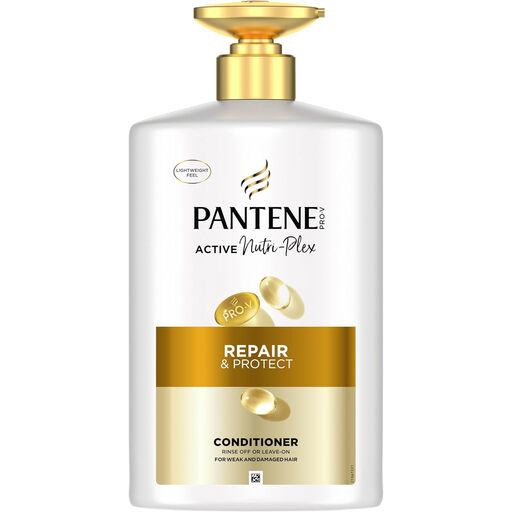
Why this choice suits this profile: Its one-litre format is ideal for a regular routine on fragile, dry or damaged hair. The texture is described as lightweight and non-greasy.
The large size means fewer repeat purchases, while the description mentions daily use and a finish without any greasy feel.
Pro-V complex, provitamin B5 and a one-litre format. Apply to the lengths, then rinse as directed.
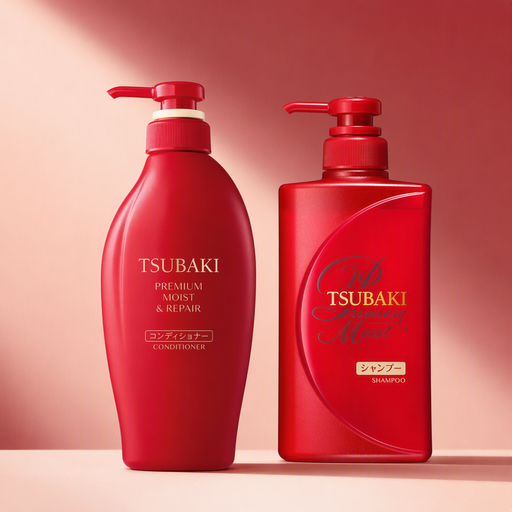
Why this choice suits this profile: This duo brings together shampoo and conditioner in a coherent routine for dry, coloured, permed hair or hair regularly exposed to heat.
The protocol recommends targeted application to the lengths and ends, which limits the risk of overloading the scalp.
Two 450 ml bottles, with camellia oil, squalane and royal jelly extract listed in the ingredients.
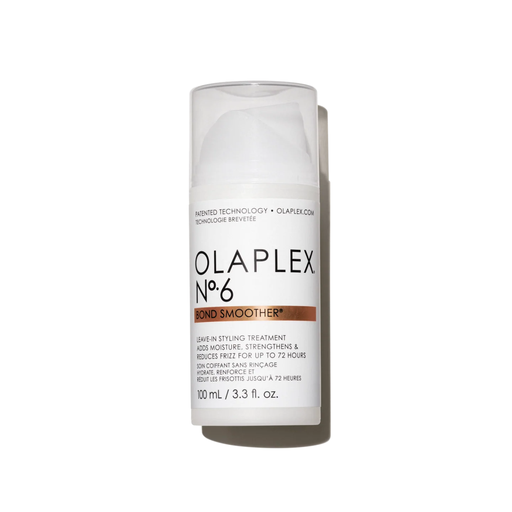
Why this choice suits this profile: Its leave-in formula fits easily into a routine with frequent blow-drying or styling, whatever your hair type.
The dosage is clearly limited to a small amount, to be adjusted according to hair length and thickness, reducing the risk of a heavy feel.
100 ml leave-in treatment, the brand’s claimed bond-building technology and heat protection stated up to 232 °C.
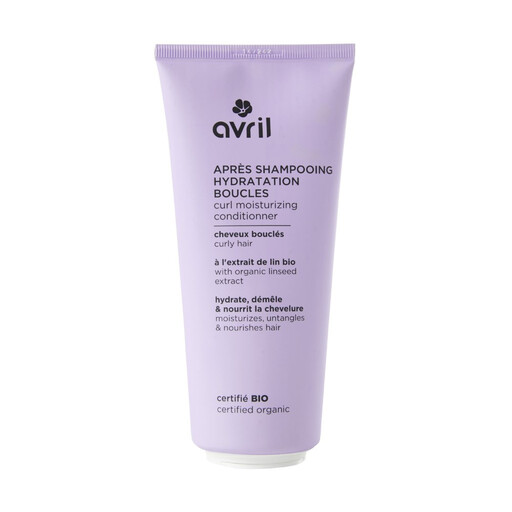
Why this choice suits this profile: This conditioner for curly hair is designed for wavy, curly and textured hair looking for more softness and definition.
The formula is stated to be silicone-free and is applied only to the lengths and ends, with a short leave-in time.
99 % naturally derived ingredients stated, organic linseed oil and Cosmos Organic certification by Ecocert Greenlife.
We’ve put together a comprehensive selection, updated in real time, of products that meet these exacting criteria as well as European safety standards.
Start with a shampoo suited to your scalp, then apply the conditioner to the lengths and ends. Save the repairing hair mask for times when the hair fibre feels drier, rougher or harder to detangle.
On coloured hair, a specific treatment can complement the routine, as long as you respect the leave-in times. For very dry hair, alternate between nourishment and hydration rather than piling on several rich products.
Finally, an organic beard oil, such as Monsieur Barbier Full Care Organic Beard & Hair Dry Oil 30 ml, is used separately on a clean, dry beard. Put a few drops in your hands before spreading and styling.
Combine a nourishing conditioner with a mask used once or twice a week. Formulas containing shea butter, oils, amino acids or ceramides can work, as long as you adjust the amount to your hair’s thickness.
It depends on the product. Many masks recommend a leave-in time of five to ten minutes, while some protein treatments need longer. Always check the label and rinse thoroughly.
Yes, if the formula is designed for daily use and you apply a small amount. Focus the application on the lengths and ends. If your hair is fine or gets greasy quickly, start by spacing out uses to see how it goes.