
Livraison le jour même ou le lendemain

Qualité garantie

Débloquez vos offres de bienvenue: Livraison GRATUITE | Jusqu'à -80 % | 30 jours d'essai gratuits à JoyPlus
Téléchargez l'application
A temporary leak to patch up, a cable to secure, a torn tarpaulin or a slippery step – it’s easy to think a single roll will do the trick. Yet not all products sold as repair tapes are designed for the same demands. The wrong width, an unsuitable adhesive or a poorly prepared surface can turn a quick fix into a repeat purchase.
Before you place an order, it’s worth avoiding three common mistakes:
A general-purpose repair tape generally adheres best to a clean, dry, degreased and dust-free surface. Metal, plastic, wood, glass and smooth concrete all behave differently. Porous, crumbly, dusty or heavily textured surfaces can significantly reduce the tape’s hold.
For outdoor application, also check the temperature at the time of fitting. A cold, damp or condensation-covered surface can prevent the adhesive from bonding properly. Press the tape firmly along its entire length and smooth out any air bubbles.
An extra-strong repair tape often incorporates a textile reinforcement, a polyethylene backing or a thicker layer. These features can improve its resistance to tearing and stretching, without making it a permanent solution for every job.
Flexible polyurethane – used, for example, on the Scotch Flexible Repair Duct Tape Black 7.5 m × 48 mm – conforms more easily to irregular shapes. It can be a good choice for reinforcing a curved object or something that moves. On the other hand, a thick, waterproof backing will suit more demanding repairs but is often less discreet.
A hand-tearable repair tape is particularly handy on a building site or in the garden. Its ease of tearing, however, doesn’t guarantee its strength. Also consider its thickness, width and the manufacturer’s recommended use.
For a gutter, tarpaulin or garden equipment, look for a waterproof repair tape or one that’s weather-resistant – provided this feature is clearly stated on the product page. The UHU GRIZZLY TAPE black, 25 m × 50 mm, is described as having a reinforced PE backing, water resistance and UV protection.
For securing a step, handrail or ladder, the requirement is different. An anti-slip tape has a textured surface designed to improve grip underfoot. It must be applied to a stable, clean, dry surface. It won’t repair a damaged step or an unstable floor.
Finally, to fix an object without drilling, choose a double-sided outdoor tape based on the weight of the object, the wall material and its exposure to rain or sunlight. The stated load capacity should be treated as a guide that depends on installation conditions, not as a guarantee valid on all surfaces.
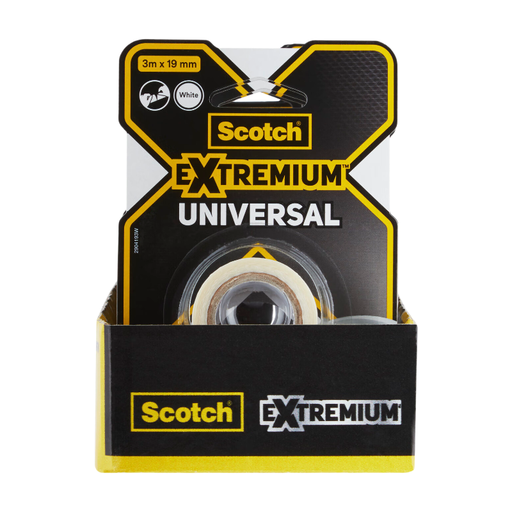
Why this suits this profile: its 3 m × 19 mm format is ideal for everyday small repairs, light holding, cable bundling and marking.
Its product page states it’s for general use, rather than permanent outdoor exposure or supporting heavy loads.
A versatile white tape, hand-tearable and suitable for everyday needs.
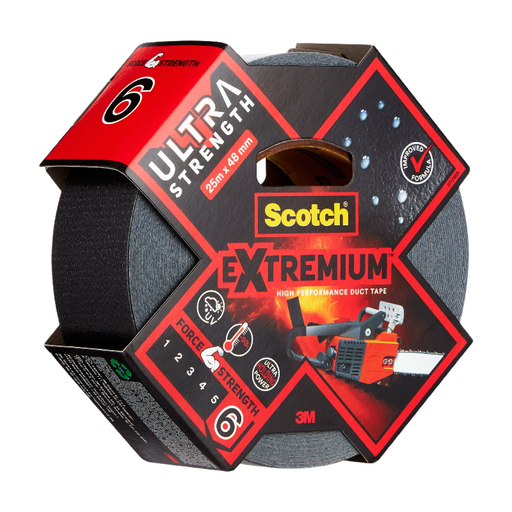
Why this suits this profile: its wide roll and thick backing are built for repairs that need substantial coverage.
The product page mentions a waterproof backing and adhesion suitable for metal, plastic and smooth concrete. Each surface still needs careful preparation.
25 m length, 48 mm width, a black finish and hand-tearable.
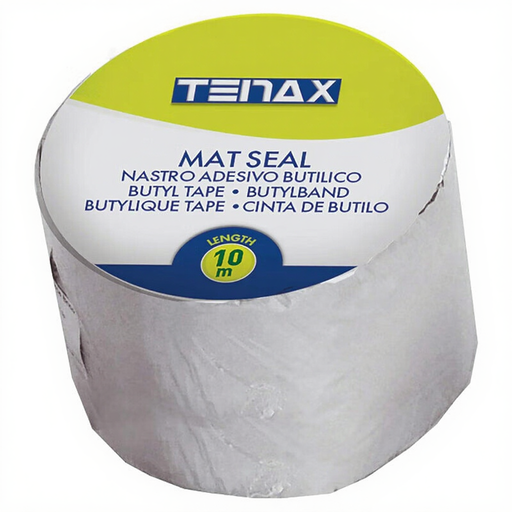
Why this suits this profile: this jointing tape for artificial grass is designed to connect two strips with a suitable adhesive, particularly for gardening and landscaping projects.
This isn’t a simple all-purpose tape: its specialist use limits mistakes when laying synthetic grass.
15 cm width, 10 m length and a non-woven synthetic backing designed to accept a specialist adhesive.
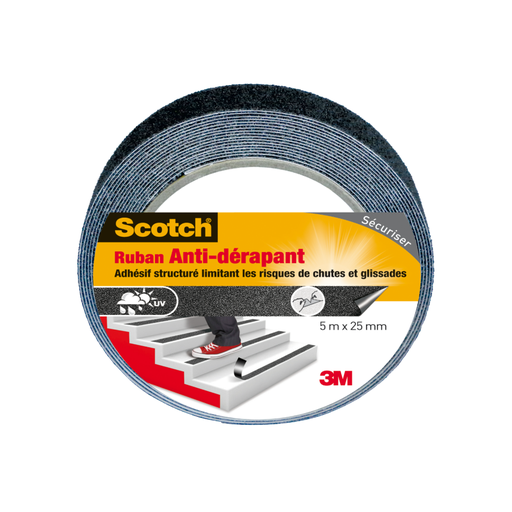
Why this suits this profile: its textured surface is designed for stairs, ramps, ladders and walkways where slips are a risk.
It addresses a need for floor grip, not structural repair. The surface must be stable before application.
A black roll of 5 m × 25 mm, self-adhesive, water-resistant and suitable for both indoor and outdoor use.
We’ve put together a comprehensive, real-time selection of products that meet these demanding criteria, while complying with European safety regulations.
It depends entirely on the surface, exposure to the elements, the tension applied and how well the surface was prepared. Check the edges regularly. If the tape lifts, peels or lets water through, replace it rather than adding a new layer on top of a compromised base.
Duct tape can be suitable for a temporary repair, reinforcement or fixing, depending on what its technical data sheet says. It is not a substitute for a mechanical repair, compliant electrical insulation or a building-grade sealing system. Always check the usage limits stated by the manufacturer.
For glass or clear plastic, the Scotch Extremium INVISIBLE Repair Duct Tape Clear 20 m × 48 mm is designed with a transparent, weave-free PET backing and an adhesive described as UV-resistant. For paper, a matt-finish invisible transparent tape is usually the better choice. The right option therefore depends as much on the level of transparency you need as on the weight and nature of the item to be repaired.