
Livraison le jour même ou le lendemain

Qualité garantie

Débloquez vos offres de bienvenue: Livraison GRATUITE | Jusqu'à -80 % | 30 jours d'essai gratuits à JoyPlus
Téléchargez l'application
A sudden leak, a broken object, a torn tarpaulin... When the unexpected happens, repair tape is often our go-to solution. But be warned: not all tapes are created equal. Choosing the wrong type can lead to a failed repair, impossible-to-remove sticky residue, or worse, additional damage. To avoid turning a quick fix into a major headache, here are the common mistakes to avoid.
The two most common mistakes are:
This guide breaks down the technical specifications that truly matter, so you can make the right choice with confidence.
To avoid ending up with a useless roll, focus on a few key technical criteria. Forget the marketing jargon; these are the factors that determine the performance and durability of your repair.
The secret to a great repair tape lies in its two key components: the backing (the tape material itself) and the adhesive (the glue).
For an outdoor adhesive tape, durability is non-negotiable. Two factors must be examined closely:
Terms like "powerful adhesive tape" or "extra strong" mean little without context. Adhesion strength is the tape's ability to anchor securely to a surface. Conformability is its ability to mould to complex shapes, corners, or irregular surfaces without peeling off. A very rigid tape, no matter how strong, will be completely ineffective on a curved surface.
Because every repair has its own unique demands, here is our selection for different needs, based on the criteria we've just covered.
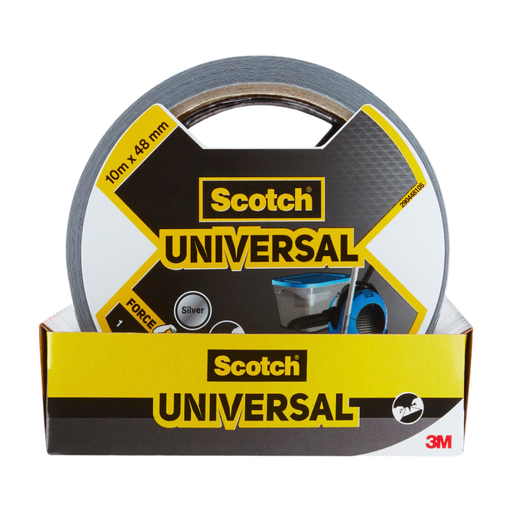
Why we chose it: It's the perfect solution for the casual DIYer looking for a reliable and versatile adhesive: repairing a tool handle, holding cables together, reinforcing a moving box... An essential for any toolbox.
This universal tape saves you the extra cost and complexity of ultra-specialised models. It provides reliable adhesion on most common surfaces (wood, plastic, cardboard) without aiming for professional-grade waterproofing, which is unnecessary for this type of use.
Versatile and tearable by hand, it allows for quick, hassle-free repairs.
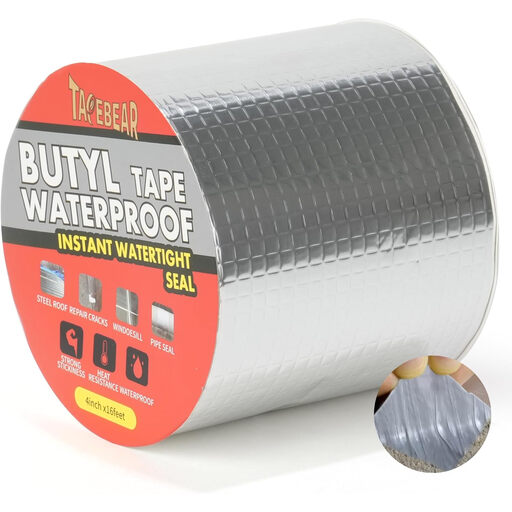
Why we chose it: Perfect for homeowners, RV enthusiasts, or professionals dealing with water ingress. Its pure butyl rubber composition is designed to create a 100% waterproof and durable seal on a multitude of materials (metal, tile, wood, glass).
It directly tackles the number one problem: a lack of waterproofing. Unlike a classic cloth tape, this butyl tape provides a long-lasting waterproof barrier, capable of withstanding extreme temperatures (from -40 °C to 80 °C) and UV rays.
It offers professional-grade waterproofing and outstanding adhesion on many surfaces, even irregular ones.
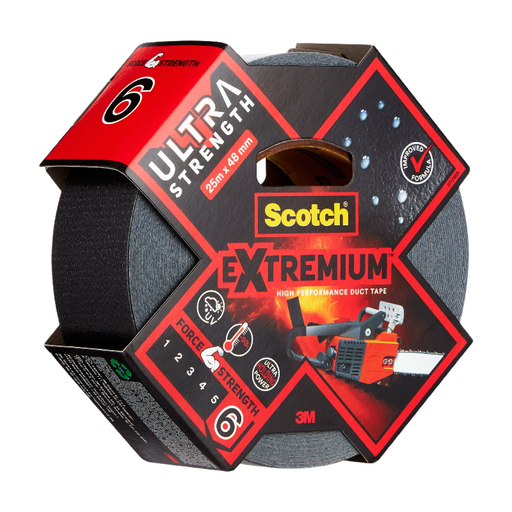
Why we chose it: For professionals or demanding DIYers facing critical repairs. Its ultra-thick, waterproof backing, combined with a super-strong adhesive, allows it to stick to the most challenging surfaces like plastic, metal, and even concrete.
This tape tackles the pitfall of weak adhesion. Where a standard adhesive would give up, its aggressive formula and reinforced backing guarantee an immediate grip and unbeatable durability for the toughest jobs.
Maximum durability thanks to its ultra-thick, waterproof backing, and instant adhesion on a wide variety of surfaces.
We have put together a complete selection of products that meet our selection criteria and current standards.
For most adhesives, a quick blast from a hairdryer is enough to soften the glue and make removal easier. Then, pull the tape slowly back on itself (at a 180-degree angle). For stubborn residue, a little vegetable oil or a commercial adhesive remover on a cloth will do the trick. Always remember to test on an inconspicuous area first!
It all depends on the type of tape and its exposure. A quality outdoor adhesive tape, treated for UV and weather resistance, can last for several years. Conversely, a standard tape not designed for this purpose will degrade in a few months, or even weeks, under the effects of sun and moisture. Butyl tapes, on the other hand, are designed for near-permanent repairs.
It depends on the tape's surface. Most cloth tapes (duct tapes) have a polyethylene coating that paint adheres to very poorly. However, specific "paintable" tapes do exist. Always check the manufacturer's instructions. As for butyl tapes, painting over them is generally not recommended.