
Livraison le jour même ou le lendemain

Qualité garantie

Débloquez vos offres de bienvenue: Livraison GRATUITE | Jusqu'à -80 % | 30 jours d'essai gratuits à JoyPlus
Téléchargez l'application
A leaky pipe, a tarp to reinforce, a cable to secure in an emergency... Repair tape is the universal go-to. Yet, choosing the wrong product can turn a quick fix into a real headache. A tape that gives way after a few hours or refuses to stick to the right surface is time and money down the drain. To avoid falling into this trap, let's break down the most common pitfalls together.
The number one pitfall? The promise of absolute versatility. Many tapes boast of being "extra-strong" or "waterproof," but these marketing claims hide very different realities. An extra-strong adhesive designed for wood will often be useless on smooth plastic. Similarly, a so-called waterproof tape might withstand a rain shower but will definitely fail under continuous water pressure. Another point to watch out for is handling. A tape that is too stiff or impossible to tear by hand loses all its value for a quick field repair.
To make the right choice every time, focus on three technical criteria that make all the difference.
The strength of a good "duct tape" depends not only on its adhesive but also on its internal structure. A true cloth-backed adhesive tape is reinforced with a fabric mesh (often made of polyethylene or synthetic fibres), sandwiched between the adhesive layer and the protective surface.
It's this textile reinforcement that prevents the tape from stretching or breaking under stress. A detail that makes all the difference for a lasting multi-surface repair.
The adhesive is the core of its performance. Its composition determines its effectiveness on different materials and its long-term durability.
Identifying the adhesive type allows you to anticipate its actual performance for your project, whether it's an indoor repair or an outdoor application.
The term "waterproof" is often overused: not all tapes are created equal when it comes to moisture. True waterproofing depends on both the outer layer (usually polyethylene) and the adhesive's ability to repel water. For outdoor use, such as repairing a garden hose or securing a tarp, it is essential to choose a tape explicitly designed to resist water and UV rays. A high-quality black duct tape will often offer better UV resistance than a classic silver model.
To help you make an informed decision, here is our selection of products suited for every need, based on objective criteria.
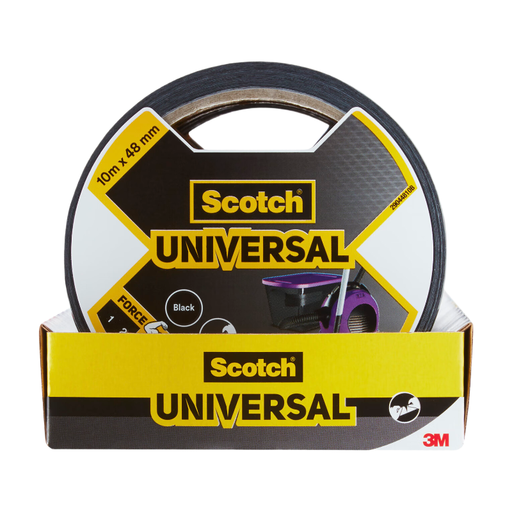
The verdict: Perfect for the home toolbox. It covers all the basic needs: securing a cable, reinforcing a cardboard box, or repairing a small plastic object. A reliable choice for everyday unexpected fixes.
This tape doesn't over-promise on its performance. It is clearly positioned as a universal indoor adhesive, which prevents the disappointment of using it for outdoor applications it wasn't designed for.
Hand-tearable: ultra-practical for a quick fix without scissors. Versatile adhesion: its synthetic rubber-based adhesive bonds well to most household surfaces.
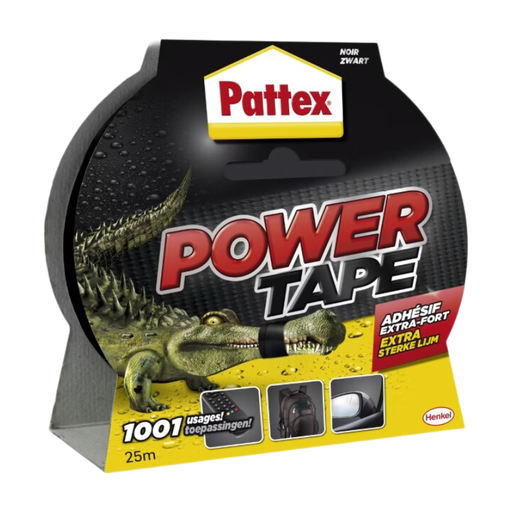
The verdict: The solution for DIYers looking for power. It's perfect for demanding repairs, like patching a protective tarp or mending a garden hose, thanks to its robust, waterproof design.
Its triple-layer technology directly addresses the problem of false waterproofing claims. The polyethylene outer layer is designed to be 100% waterproof, a manufacturer's guarantee.
3-layer technology: it ensures superior mechanical strength and waterproofing. High load capacity: the manufacturer claims it can hold up to 17 kg.
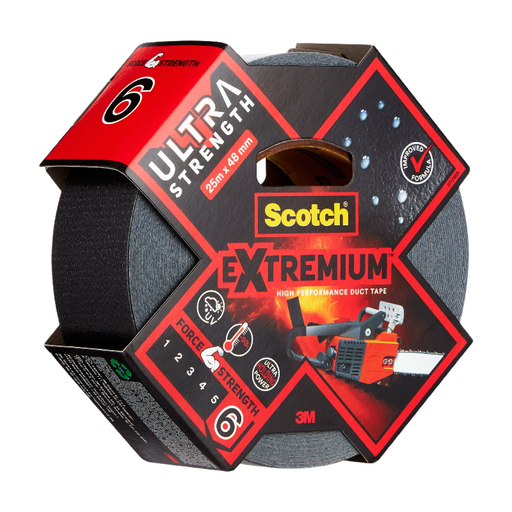
The verdict: For situations where failure is not an option. Its design is all about extreme durability and adhesion, even on notoriously difficult surfaces like concrete or rough plastic.
It tackles the problem of adhesion on tricky surfaces head-on. Its natural rubber-based adhesive is formulated for an aggressive and immediate grip, where standard adhesives give up.
Ultra-strong, waterproof backing: it offers maximum durability for the toughest jobs. Powerful adhesive: it bonds instantly to a multitude of surfaces, including metal and concrete.
Discover our complete and up-to-date selection of products that meet our selection criteria and current standards.
Yes, but under certain conditions. For a low-pressure leak (a punctured garden hose, for example), a high-quality waterproof tape like Pattex Power Tape can provide an effective temporary solution. The surface must be perfectly clean and dry at the time of application to ensure maximum adhesion. However, for high-pressure leaks (household plumbing), it is only an emergency stop-gap measure while waiting for a plumber.
The term "Duct Tape" has become a generic name. Originally, it referred to a specific, water-resistant, silver-grey tape. Today, it covers a wide range of cloth-reinforced tapes. Cloth-backed adhesive tape is the correct technical term: an adhesive with a fabric backing. But be warned, quality varies enormously. It is therefore crucial to rely on the technical specifications (adhesive type, thickness, strength) rather than just the name on the packaging.
Removing a powerful adhesive often leaves behind sticky residue. To get rid of it, start by gently heating the area with a hairdryer to soften the glue. Then, soak a cloth in an oil-based substance (vegetable oil, citrus-based cleaner, etc.) and rub gently until the residue is completely dissolved. Always remember to test on a small, inconspicuous area first to ensure the cleaning product does not damage the surface.