What should you check before deciding?
First, find out whether your current appliance can be repaired. If you need to replace it, compare its capacity and the data relevant to your needs with those of appliances in the same category.
| Criteria |
What to check |
Who this matters to |
| Energy use and capacity |
Compare consumption in the same unit across appliances in the same category, then choose a capacity that suits your loads or the volume you need. |
If I run cycles frequently or leave an appliance running continuously, I want to understand its consumption without choosing a capacity I don’t need. Around 40% of consumers make this a priority. |
| Water, noise and cycle |
Where this information is shown, check the litres per cycle, noise level in dB and duration of the reference programme. |
If I live in a home where the appliance can be heard from living areas, I also want to know whether its cycles and water use suit my daily routine. This is the top priority for around 30% of consumers. |
| Repair and lifespan |
Ask for details of the fault and whether parts are available; request a quote if a repair seems possible. |
When my appliance breaks down, I’d rather know whether I can keep using it after a repair before choosing another one. For around 30% of consumers, this is the main question. |
Brands to know
There are no brand profiles to display in this section.
Appliances to compare on Joybuy
These washing machines, fridge freezer and compact dishwasher are options to consider if you need a replacement. They suit different needs: compare capacities within the same category and check the relevant label before comparing consumption figures.
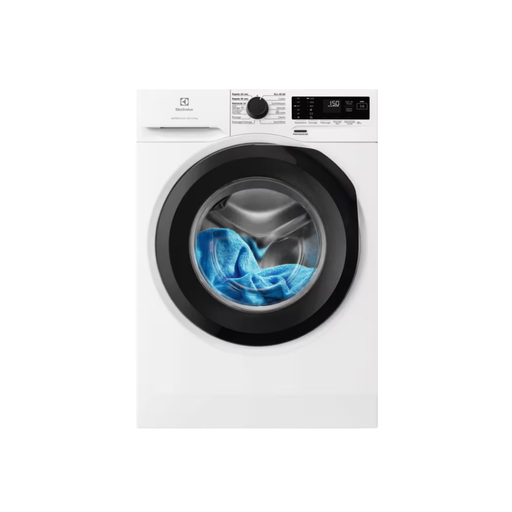 Image unavailable
Electrolux EWF1410N2, 10 kg front-loading washing machine
Worth considering if your usual laundry loads call for a 10 kg capacity. Check the relevant label for consumption and the reference cycle, as well as any information that may help you decide about maintenance and repairs.
View on Joybuy
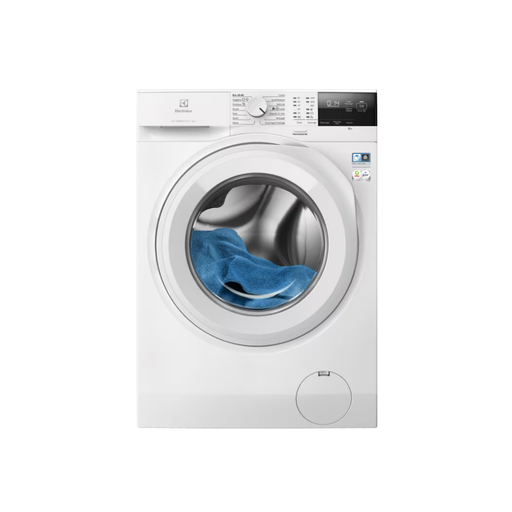 Image unavailable
Electrolux EW6FI4805AW, 8 kg washing machine, 1400 tr/min
It’s worth comparing the 8 kg capacity with your usual laundry loads. The model name indicates a spin speed of 1400 tr/min. To compare energy use, water and noise with other washing machines, check the label figures and conditions.
View on Joybuy
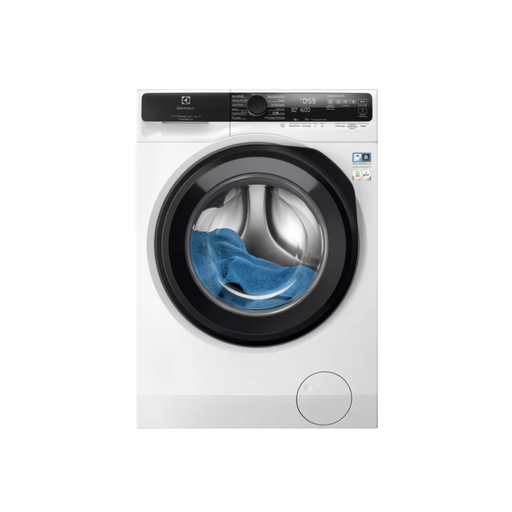 Image unavailable
Electrolux EW7FI259160V, connected 9 kg washing machine, 1600 tr/min
This model may be worth comparing if a 9 kg capacity suits your laundry loads. Its name indicates a spin speed of 1600 tr/min and a connected feature. Before deciding, check the conditions for using this feature and the duration of the programme you’re interested in.
View on Joybuy
 Image unavailable
Candy CFQQ5T817EPS, 4-door fridge freezer, 467 L, class E
The stated 467 L capacity is worth considering if you need this much space. This four-door model is described as class E in its name. Check its label and compare its annual consumption with fridge freezers offering a capacity that suits your household.
View on Joybuy
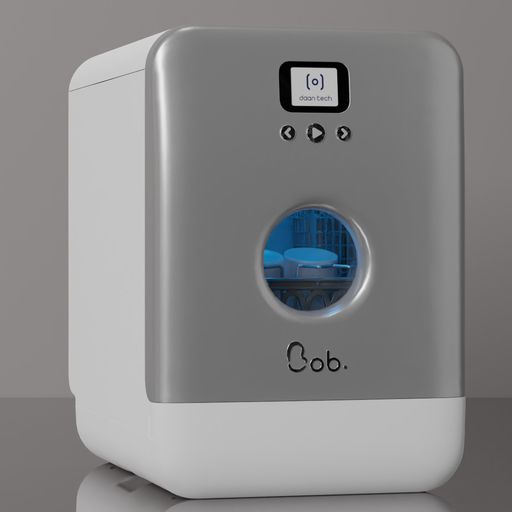 Image unavailable
Bob Mini, compact dishwasher, 3 place settings, 34 cm
Its compact size may suit you if you want to wash a small amount of crockery. Check that the stated capacity of 3 place settings accommodates the items you usually wash, and look at the label and cycle conditions before comparing consumption figures.
View on Joybuy
Frequently asked questions
Which appliances have an energy label?
The energy label applies to several appliance categories, including washing machines, dishwashers and fridges mentioned by ADEME. The information shown varies by category, so check the label for the appliance you’re considering rather than assuming they all show the same measurements.
Can you compare the kWh figures for two different appliances directly?
No. First compare appliances in the same category, with consumption expressed in the same unit and under the same reference conditions. According to ADEME, a dishwasher may show kWh per 100 cycles; this figure cannot be compared directly with a fridge’s annual consumption.
Does the Eco programme reflect my usual energy use?
Not necessarily. The Eco programme is often used as the reference on the label, but your consumption depends on the programmes you choose, how often you run cycles and how full the appliance is. Use the figure to compare appliances under the same conditions, then factor in how you use yours.
When should you look into a repair before buying a new appliance?
Look into it as soon as the fault could be diagnosed and a repair seems possible. Ask for details of the fault and whether parts are available. In France, the repair bonus described by the ministry responsible for the ecological transition depends, among other things, on the product, the fault and using a certified repairer.
Can a repairability rating tell you whether your broken appliance can be repaired?
No. A rating shown on a new appliance can help you assess that model, but it doesn’t replace a diagnosis of the appliance you own. The ministry responsible for the ecological transition distinguishes between the repairability rating and the durability rating, which replaced it for certain categories, including televisions and washing machines, in 2025.


