Households whose appliance is still working
An old appliance doesn’t necessarily need replacing. Note down its model, capacity and energy consumption, then consider how often you use it before comparing it with a new one.


Before replacing an appliance to reduce your electricity bill, consider how long it runs and compare its consumption with that of a model with the same function and a suitable capacity. If the appliance still meets your needs, it’s also worth considering whether to repair it or keep using it. A better energy rating alone isn’t enough to show that you’ll save money at home.
An old appliance doesn’t necessarily need replacing. Note down its model, capacity and energy consumption, then consider how often you use it before comparing it with a new one.
Ask for a quote and check whether parts are available for the model in question. For some appliances, the repair bonus may be worth considering if the repair is carried out by a certified professional, according to the Ministry of the Economy.
Compare energy consumption and features that suit the way you use it. In France, the durability index has been gradually replacing the repairability index for these two categories since 2025, according to the ministries responsible for the environment.
Start by considering how you use your current appliance, then look separately at the energy consumption of a comparable model and the repair options available.
Worth considering: if the appliance gets heavy use or runs continuously, and a model with the same function and a suitable capacity uses less energy.
Bear in mind: its size, always-on features and the way you use it can affect its expected energy consumption, as ADEME points out.
Worth considering: if the appliance still meets your needs and a viable repair could extend its useful life.
Bear in mind: a repair won’t necessarily reduce its electricity consumption. Weigh the quote against its condition and the figures for a potential replacement.
| Priority | What to check | What I need |
|---|---|---|
| Current use | Identify appliances that run continuously or frequently. Note their capacity, how long they’re used for and any known energy consumption before deciding which one to look at first. | I want to know which appliance is worth comparing, rather than replacing the oldest one automatically. |
| Comparable energy consumption | Compare the stated energy consumption of appliances with the same function and a suitable capacity. For a dishwasher, ADEME says the label shows electricity use in kWh per 100 reference cycles and water use in litres per reference cycle. | An energy rating catches my eye, but I want figures for the same type of appliance and the way I use it. |
| Capacity and features | Check the volume or load capacity, and which features you’ll leave switched on. ADEME points out that a newer model that’s larger or has more features than you need could increase your bill. | If I don’t usually need a larger capacity, I don’t want to choose one based solely on the promise of a newer appliance. |
| Durability | For a new washing machine or television in France, check the durability index where applicable. Also look at information about parts and repairs for the specific model. | I want to be able to keep and, if necessary, repair the appliance I buy. |
| Repairs | Get a quote, check the warranty and parts availability, and ask a certified repairer whether the appliance may qualify for the repair bonus. Then compare your options without assuming you’ll save electricity. | If something breaks, I want to find out the cost of a repair before replacing it. In an ADEME study carried out in August 2024 among 10,020 adults in France, 41% of the damaged or broken products studied had been replaced and 36% had been repaired. These figures do not measure electricity savings. |
Its age alone doesn’t tell you how much energy it uses in your home, or whether a repair makes sense.
Check its capacity and how you use it, then compare it with an equivalent new model. If it’s broken, ask for a quote as well.
The old A+, A++ and A+++ ratings aren’t directly comparable with the current A to G ratings for categories that have been rescaled.
Use the figures on the energy label to compare appliances in the same category and with a similar capacity, taking the reference programme into account.
According to ADEME, a larger appliance or one with more features than you need could increase your bill, despite the efficiency gains of newer models.
Work out what volume or load capacity you usually need and check which features you plan to leave switched on.
On 10 September 2026, Service-Public stated that the new European rules on repairs were not yet fully applicable in France.
If something breaks, check your warranties, the rules currently in force, parts availability for the specific model and the quote you’ve been given before deciding.
These dishwashers, fridge-freezers and tumble dryers offer useful points of comparison if you’re thinking of replacing an appliance in the same category. Their inclusion here doesn’t determine whether you should repair or keep the appliance you already own.
 Image unavailable
Worth considering if a table-top dishwasher suits the space available and the amount of washing-up your household usually has. The title lists 6 place settings, 7 programmes and a D rating. Check the energy label for the exact model’s consumption, and make sure you can connect the water inlet and drain.
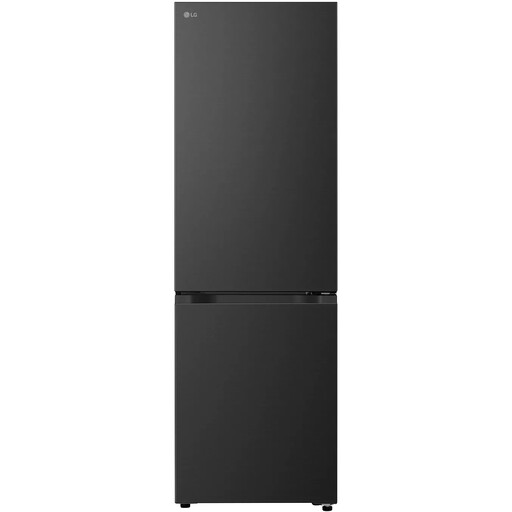 Image unavailable
If you’re considering replacing an appliance that runs continuously to keep food cold, first compare models with a capacity that suits your household. This model is listed as having a 333 L capacity, No Frost technology and an A rating. Compare its stated energy consumption on the label with that of an appliance of a similar capacity.
 Image unavailable
Worth comparing if your household really needs a large fridge-freezer. The title lists a 444 L capacity and an E rating. Compare the annual energy consumption on the label with that of appliances of a similar size and type, rather than assuming the rating alone will lower your bill.
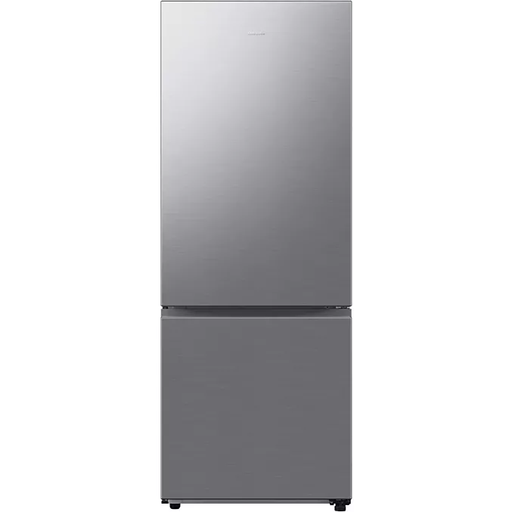 Image unavailable
Consider this capacity if your needs justify a 538 L fridge-freezer. The energy rating information conflicts between the title and descriptions, so check the label for the exact model before comparing energy consumption. Also make sure you have enough space to install it.
 Image unavailable
If you’re replacing a tumble dryer, check that its 8 kg capacity suits your usual loads. The title lists a C rating. Check the stated energy consumption on the label for the exact model, and find out whether parts are available before comparing your options.
No. Compare the stated energy consumption of appliances with the same function and a suitable capacity, then consider how you use yours. ADEME points out that a newer model that’s larger or has more features than you need could increase your bill, despite being more efficient.
The durability index has been gradually replacing the repairability index for televisions and washing machines since 2025, according to the ministries responsible for the environment. When buying a new appliance in either category, check this index as well as the energy label.
It may apply to certain products repaired by a certified professional. According to the Ministry of the Economy, the discount is then taken directly off the repair bill. Before accepting a quote, check whether your appliance and repairer are eligible, along with the scheme’s terms and conditions.
No. Don’t assume a repair outside the warranty period will be free: ask for a quote and check which rights apply to your situation. On 10 September 2026, Service-Public stated that the new European rules promoting repairs were not yet fully applicable in France. This does not remove any rights you may already have under an applicable warranty.